
The Agriculture and Horticulture Development Board (AHDB) has appointed the consultancy London Economics to carry out an updated assessment of the economic impact of a possible African swine fever (ASF) outbreak in Great Britain. The aim is to strengthen the pig industry's preparedness and give it evidence for talks with government, the industry and trading partners.
The project is led by John Curnow, former director of analysis and chief economist at Defra, the UK farm ministry, with ASF specialist Dr Chris Netherton of the Pirbright Institute. It builds on assessments made in 2018 and 2020 but reflects the changed disease and trade picture, including lessons from Spain's recent experience of ASF.
London Economics will model outcomes across the supply chain under a range of scenarios, from cases confined to feral wild boar to outbreaks affecting pigs across several regions. The work will compare what happens with and without regionalisation agreements recognised by trading partners, weigh outbreaks in wild boar against those in domestic pigs, and examine whether compartmentalisation, keeping certified disease-free units trading during an outbreak, is feasible and how it would change the losses.
The model will combine production, trade and farm business data with input from across the supply chain, and will map the British pig chain to show how losses would reach producers, processors, exporters and other businesses. Trade and market access, regional differences, the cost of control measures and the effect on producer incomes will get particular attention.
An AHDB-led industry study visit to Spain in early 2027 will look at how Spanish authorities and the industry handled disease control, regionalisation, trade and recovery, and its findings will be used to test the model. The project started in September 2026 and the final report is due in the first quarter of 2027.
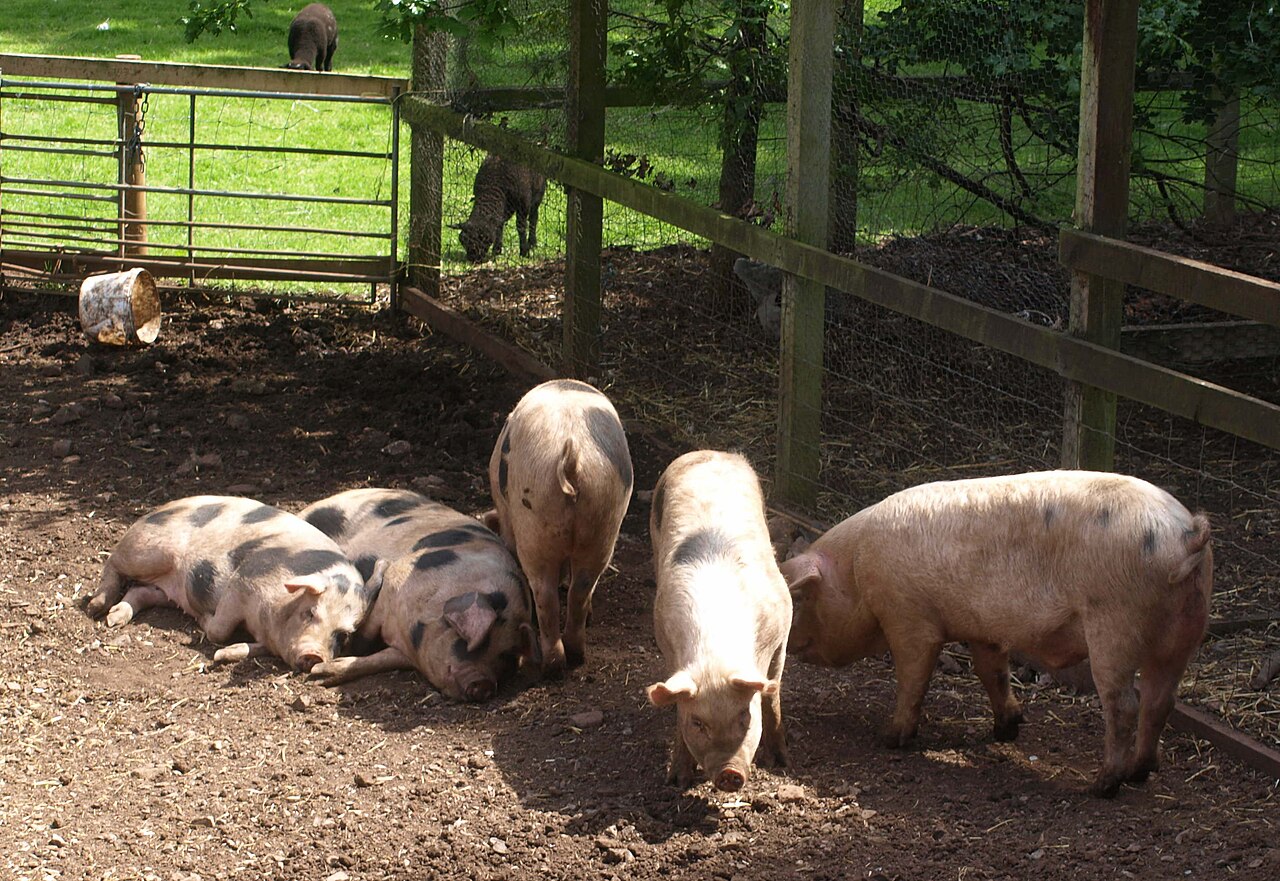
Photo: Derek Harper / Wikimedia Commons (CC BY-SA 2.0)
Source: Pig World
Comments
(0)