
Ransomware attacks on food and agriculture businesses are rising fast, and connected farm equipment means no operation is too small to be hit, according to Food and Ag-ISAC, a nonprofit that shares threat intelligence across the sector.
Its latest State of the Threat Report counts 227 ransomware incidents in food and agriculture through July, a 62% increase on the 140 recorded in the same period of 2025. The sector is the eighth most targeted for ransomware, with 5% of all attacks, and the report says this year is on track to be one of the highest-volume ransomware years on record.
Director Jonathan Braley told AgFunderNews that the recent attacks on leading French supermarkets, which no one has claimed, should be a wakeup call for the whole food industry. He said food and farm companies are not singled out more than other sectors: most campaigns are automated, scan for exposed systems, and use phishing to break into whichever organisation is vulnerable.
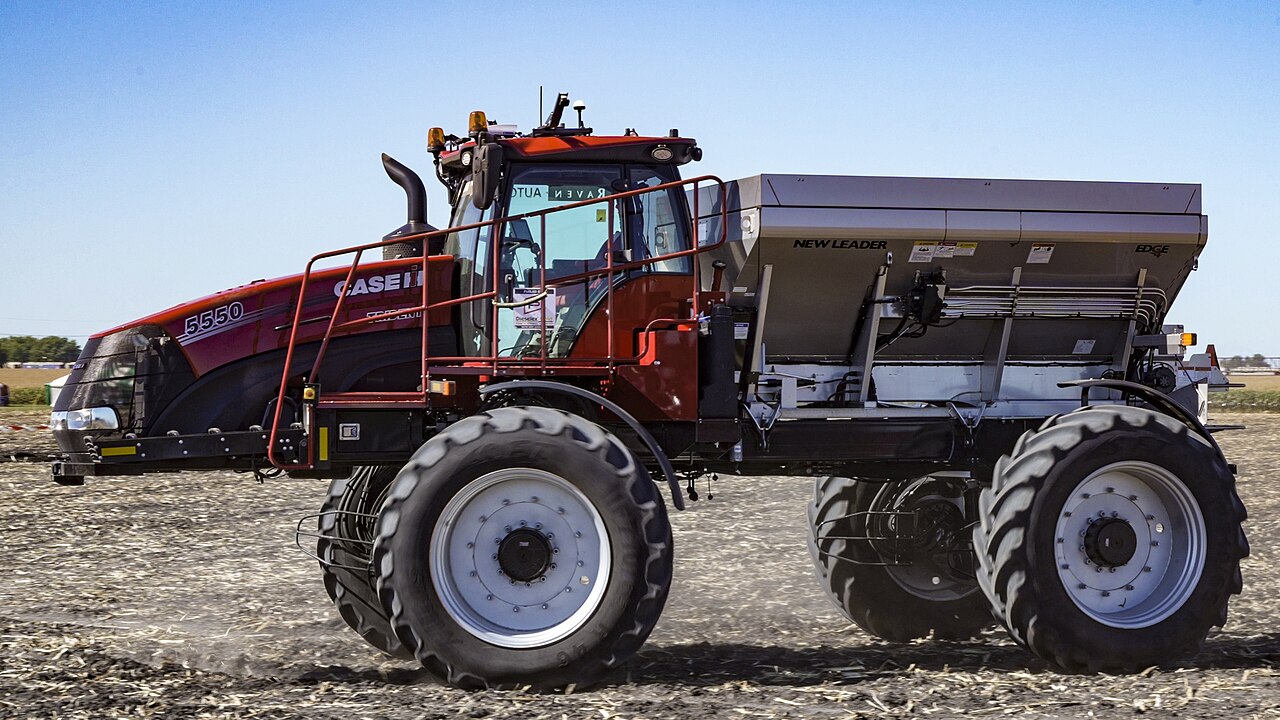
Many farms once assumed they were too small to be a target, and ten years ago much of their equipment was offline. Now, Braley said, self-driving tractors, smart sensors and cloud-based climate control for swine barns are all connected. "Every time you put a new device on your field, it's also a device that you have to watch for a vulnerability and patch it," he said. Because most food and farm businesses are small and many depend on just-in-time deliveries of perishable goods, an attack can threaten people's access to food as well as money and reputation.
The group's main advice is multi-factor authentication on email, financial platforms, cloud applications, inventory systems and remote access. Citing a Microsoft report, it says this cuts the risk of identity compromise by more than 99%, and it recommends phishing-resistant options such as FIDO2 security keys and passkeys. Installing vendors' software updates, changing the default password on every new sensor or device, and training staff to spot phishing also matter; Braley called employees "typically your weakest link".
Small farms without staff for cybersecurity can hire managed service providers to audit their software, keep it up to date and watch network traffic. Braley said these services have become cheaper and are "not a huge lift" for a small organisation.
Photo: USDA / Wikimedia Commons (public domain)
Source: AgFunderNews



Comments
(0)