
 Agrotech
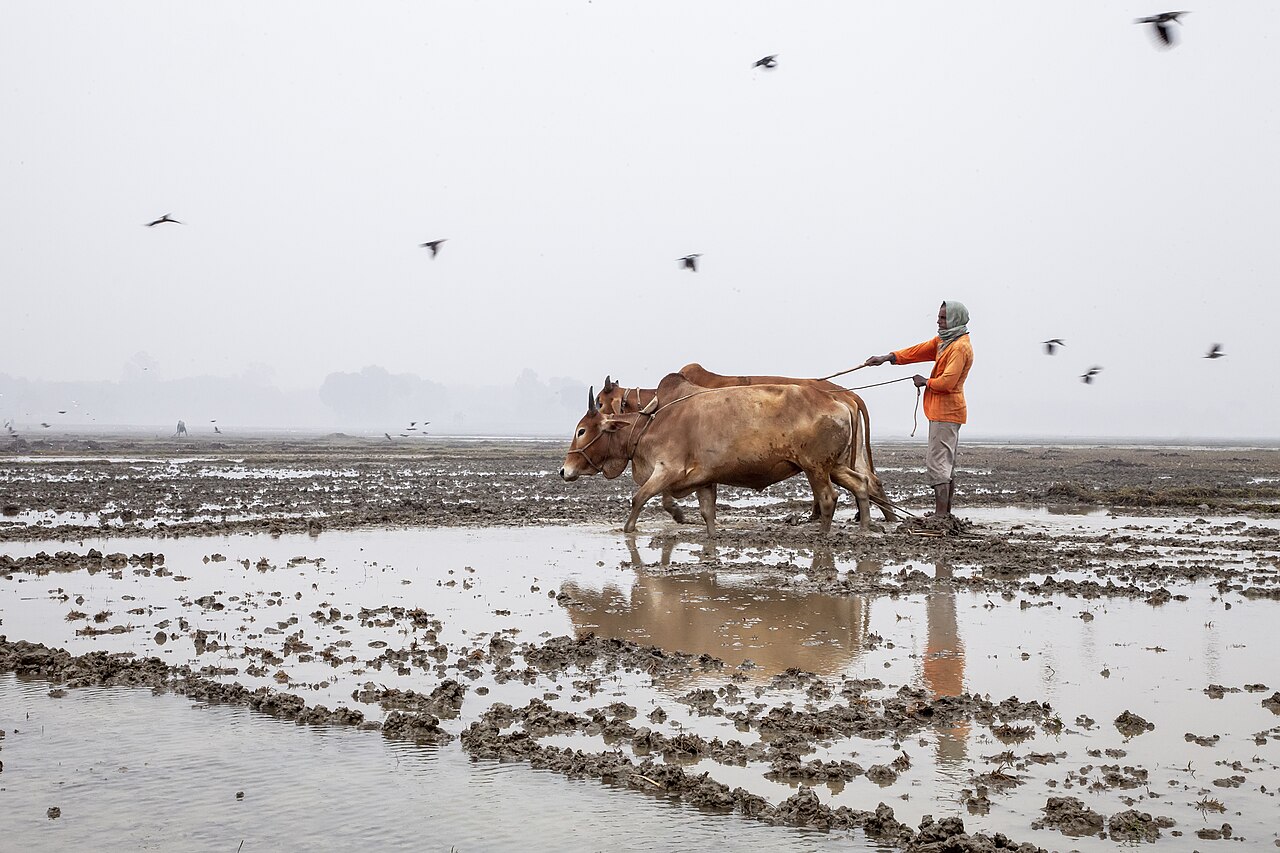
Power tillers push the ox plough out of Chunarughat's fields
Farmers in Chunarughat, Habiganj, once went to their fields at dawn with a pair of oxen and a plough. Power tillers and tractors have all but ended the practice.
AgrotechFarmers in Chunarughat, Habiganj, once went to their fields at dawn with a pair of oxen and a plough. Power tillers and tractors have all but ended the practice.
 Fisheries
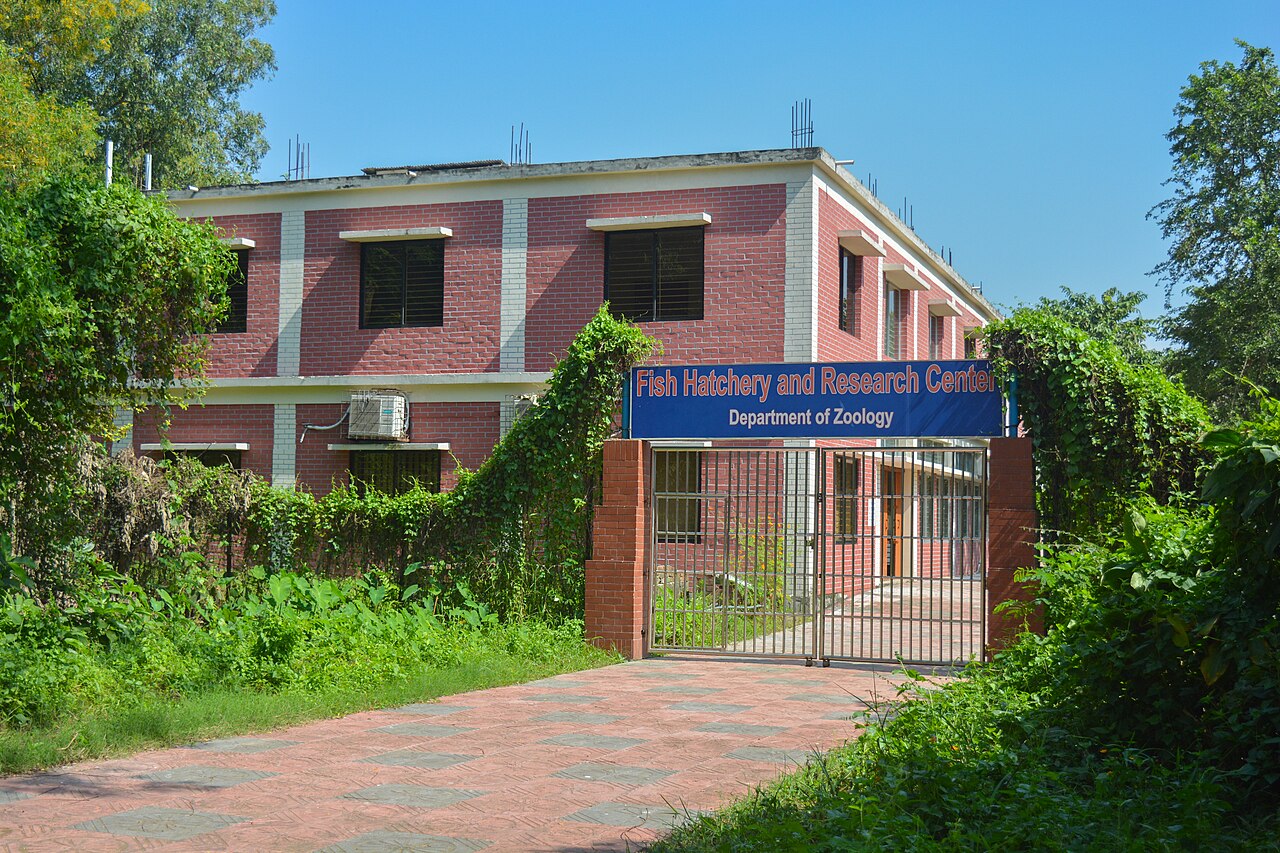
Founded in 1962, the government fish seed production farm in Shayestaganj, Habiganj, still raises fry in 12 ponds, but five of its eight posts are empty, there is no night guard and farmer training has stopped for lack of funds.
 Vegetables
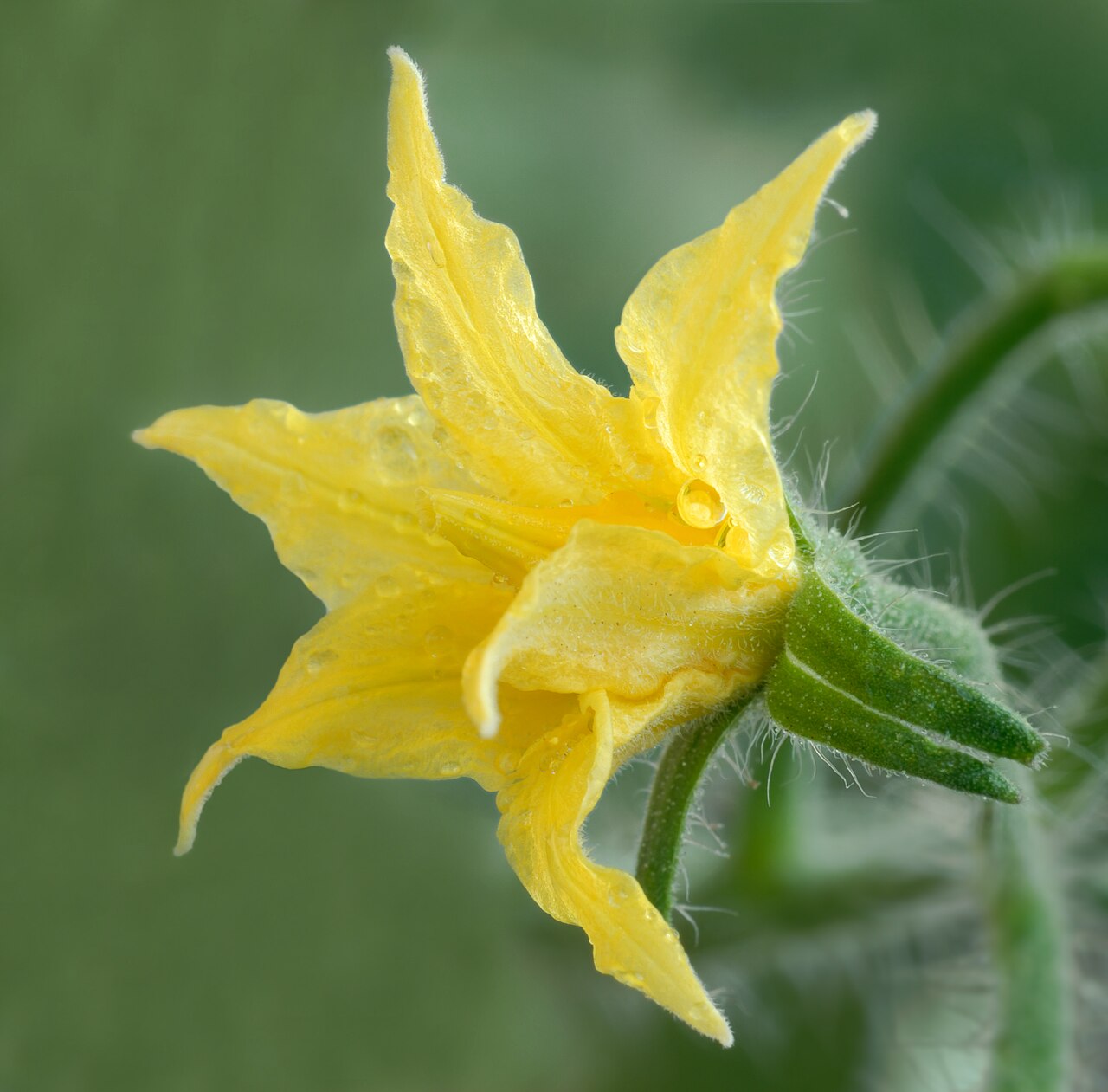
A Madhabpur family says spraying a pesticide bought on an agent's advice turned 250 decimals of tomato plants white and rotten, a loss of about Tk 1.6 million; the UNO has ordered an inquiry.
 Environment
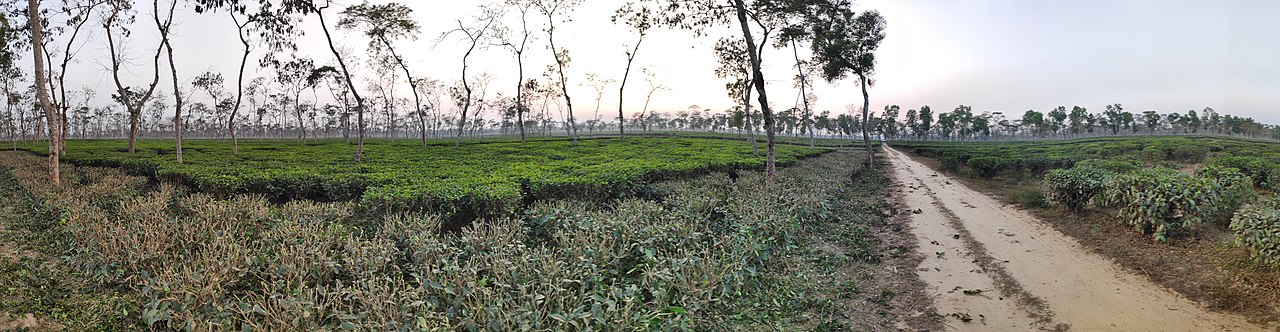
Protected hills and tea-garden hillocks in Madhabpur and Chunarughat collapse into silted streams with each flash flood; residents want the streams dredged and trees planted, and the district administration is studying technical fixes.
In Shibpasha haor in Ajmiriganj, Habiganj, farmers dig ponds among the paddy and grow fruit and vegetables on the banks; the union's 55 farms produce about 2,500 tonnes of fish a year worth some Tk 80 crore.
After a dry start, adequate rain and the draining of the haors have put transplanting almost at target; Chunarughat has the largest target at 18,285 hectares, last year's area was about 88,000 hectares, and fields briefly flooded earlier have been replanted.
Rivers, canals and beels around Shayestaganj yield less than a quarter of the native fish they did a few decades ago; locals blame filled-in wetlands, pesticide run-off, fry poaching, current and duari nets and erratic rain, and markets are now dominated by farmed fish.
In Habiganj's Satchari National Park, named for seven hill streams, four streams no longer exist and the other three barely flow; with the forest ponds filled by sand and silt, officials and experts warn the park's 197 animal species could run short of water in the coming dry season.