
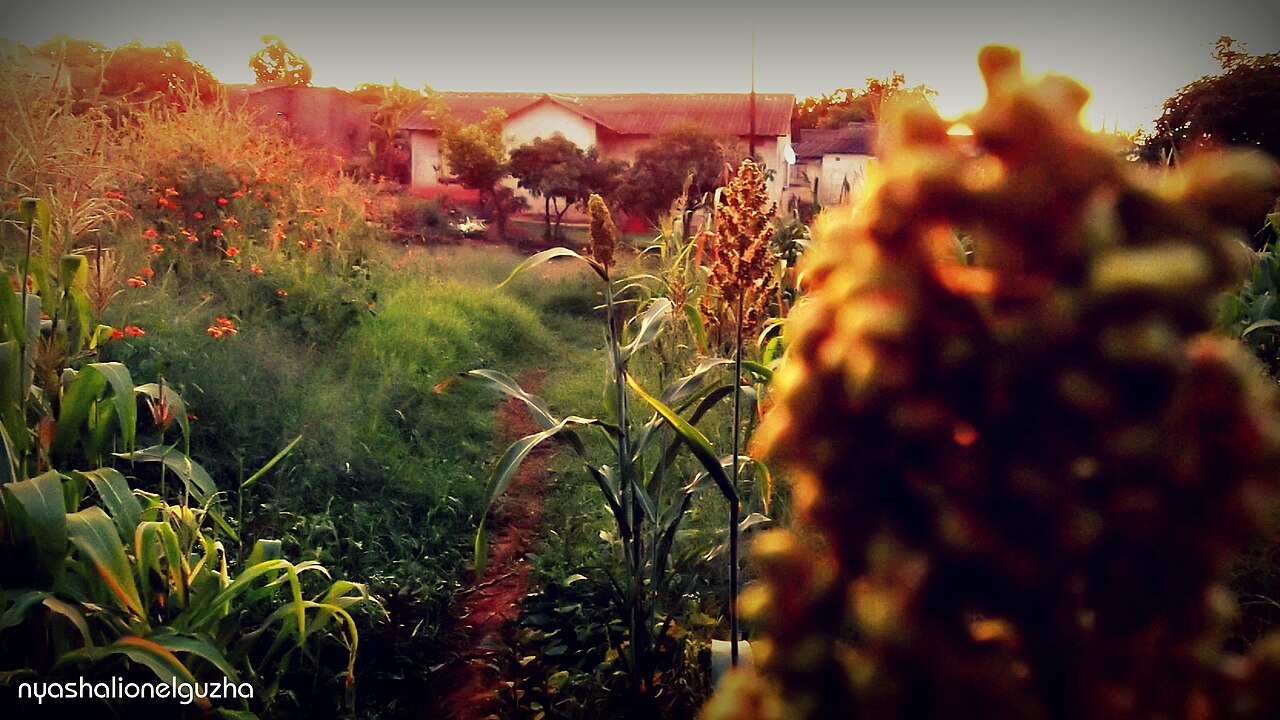
Researchers used games rather than lectures to prepare Zimbabwean farmers for El Niño at the 116th Harare Agricultural Show, where the CGIAR Multifunctional Landscapes team ran a stand built on interactive displays. The show drew more than 10,000 people.
The team's starting point was that El Niño's effects build up over time, while many farmers lack information that connects a forecast to what it could mean for their crops, livestock and households. Three games tried to close that gap. In "Pack Your El Niño Survival Basket" visitors chose the resources and practices they thought most important for a climate shock; "Spot the El Niño-Ready Farm" asked them to find climate-smart practices that save water, protect soil and cut risk; and the "El Niño Pledge" asked each to commit to one action at home, on the farm or in their community.
Asked at first what they could do, many farmers said they had few options or did not know where to start. When the displays showed the practices, many recognised them at once, and some already used them. The gap, the researchers write, was often not knowledge or technology but the link between what farmers already do and the management of climate risk.
Two women farmers from Shamva, Cathrine Mkundu and Sekai Marima, questioned the usual preference for maize with large cobs in a dry year. "When rainfall is low, we no longer go for maize with big cobs. We grow varieties that mature early and diversify our farming," Mkundu said, and the talk moved on to spreading risk and using limited land and rain better.
Visitors listed harvesting and conserving water, keeping soil covered, growing small grains and early maturing crops, diversifying, conserving livestock feed, growing fodder, securing water for animals and using weather information. Water conservation and protecting livestock and their feed drew the most interest.
The authors conclude that climate information means more when people see it in their own context and can learn from one another, and that the question is how to turn what farmers know into timely action.
Photo: Nyasha l guzha / Wikimedia Commons (CC BY-SA 4.0)
Source: CIMMYT

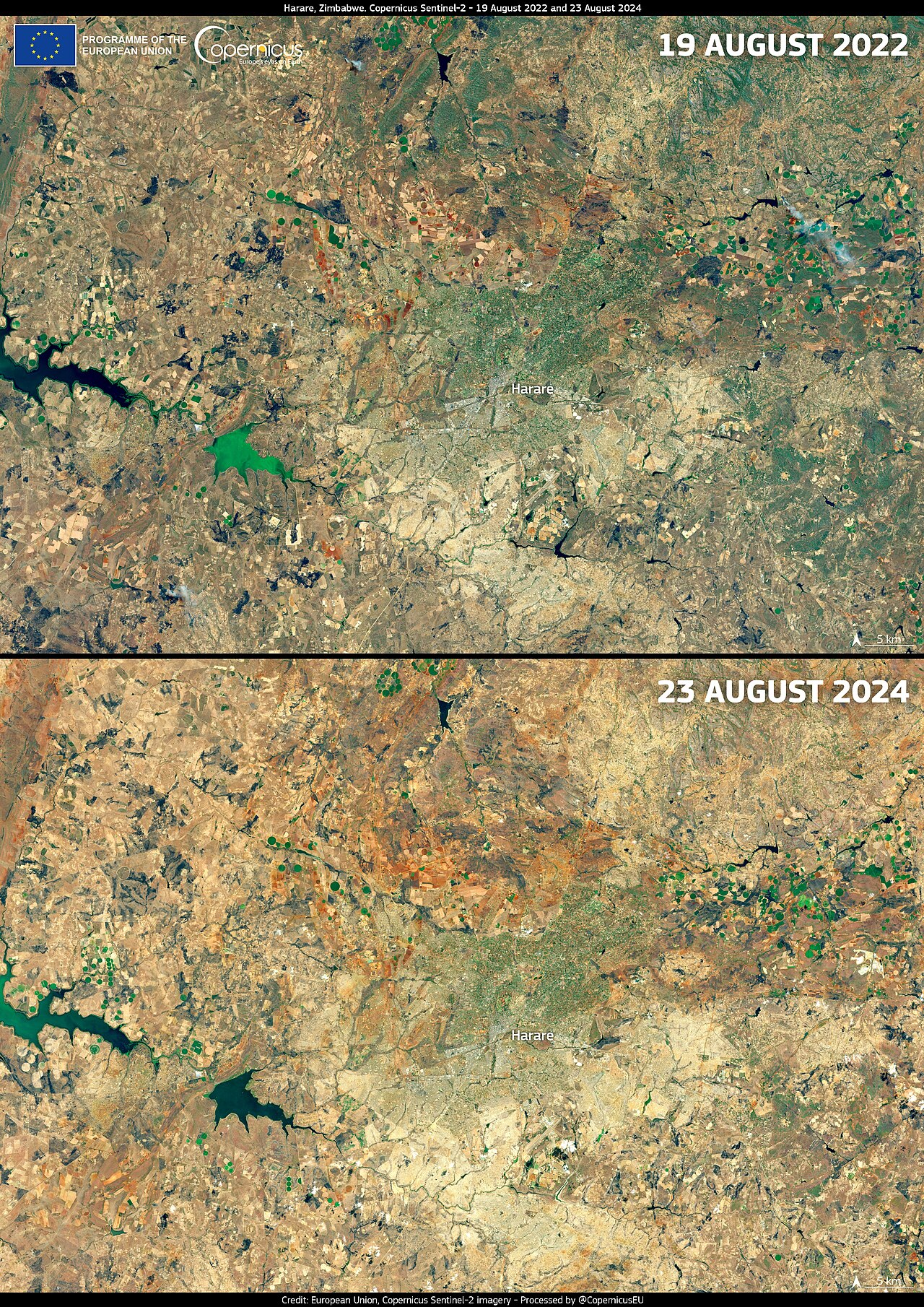
Comments
(0)