
Pakistani wheat scientists have new tools to breed varieties for a hotter, drier climate. In October 2026 a new laboratory and working area opened at the Wheat Research Institute of the Ayub Agricultural Research Institute (AARI) in Faisalabad, one of five national institutes where the International Maize and Wheat Improvement Center (CIMMYT) set up or upgraded laboratory space this year.
The support marks six decades of cooperation. Since the 1960s CIMMYT has shared wheat breeding lines with Pakistan, trained its scientists and run joint research with national institutes. With temperatures rising and a population of about 250 million, the country needs wheat that performs under heat and drought, and institutes able to develop it quickly.
This year's package, funded by the US government, covers new or upgraded laboratories with equipment at five institutes: the National Agricultural Research Centre (NARC) in Islamabad, the Wheat Research Institute in Faisalabad, the Regional Agricultural Research Institute in Bahawalpur, the Cereal Crops Research Institute in Nowshera and the Barani Wheat Research Institute in Tandojam. It also includes farm machinery for 11 national research partners, five training courses for 46 Pakistani scientists in Ethiopia, Mexico, Nepal and Pakistan, 10 zero-tillage multicrop drills for farming communities in the rice-wheat belt, and 21 community seed banks scaled up in poor and vulnerable areas.
The equipment ranges from digital scales, seed counters, pH meters and deep freezers to spectrophotometers and canopy temperature meters. Seed cleaner-graders sort seed by size and thickness, which matters for institutes producing foundation seed of nutrient-enriched varieties, and single-head, single-plant and Vogel threshers let researchers process small experimental lots with less labour and less grain damage. Partners also received tablets and training to record field data digitally, upload it to the Enterprise Breeding System and analyse it with BioFlow.
The zero-tillage drills place seed and fertilizer directly into unploughed soil, so farmers can skip land preparation, save moisture, fuel and labour, and sow on time. In rice-wheat systems they also help manage rice residues and reduce the need to burn them.
Flavio Breseghello, director of CIMMYT's Global Wheat Program, inaugurated the Faisalabad laboratory during an October visit and, with CIMMYT's Pakistan representative Sajid Ali, met Rana Tanveer Hussain, the federal minister for national food security and research. "Reliable field trials and careful handling of breeding materials are essential for wheat improvement," Breseghello said. Ali said the priority was to help national partners "turn research into solutions for farmers".
Breseghello also visited the Wheat Molecular Breeding Laboratory at Quaid-i-Azam University in Islamabad and, at NARC, joined a workshop on biological nitrification inhibition, a plant trait that can reduce nitrogen losses from soil, and opened the centre's wheat physiology laboratory. The blog post is by Richa Sharma Puri and Sajid Ali.
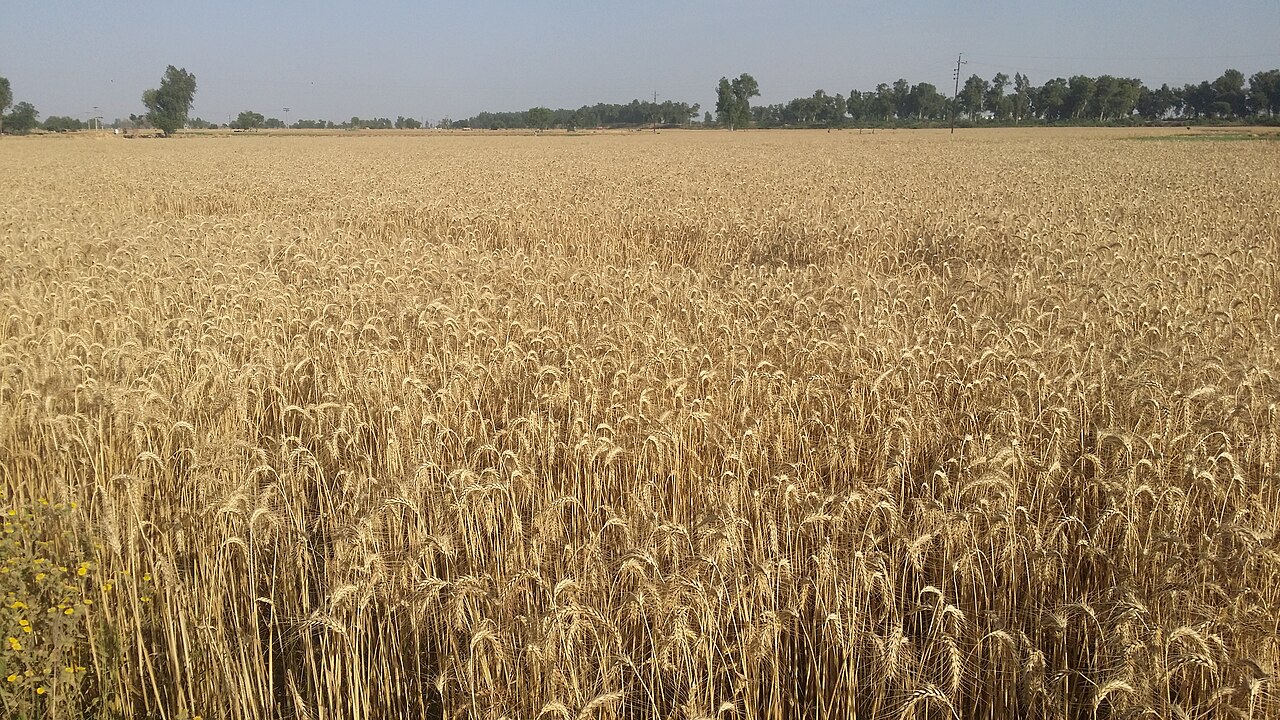
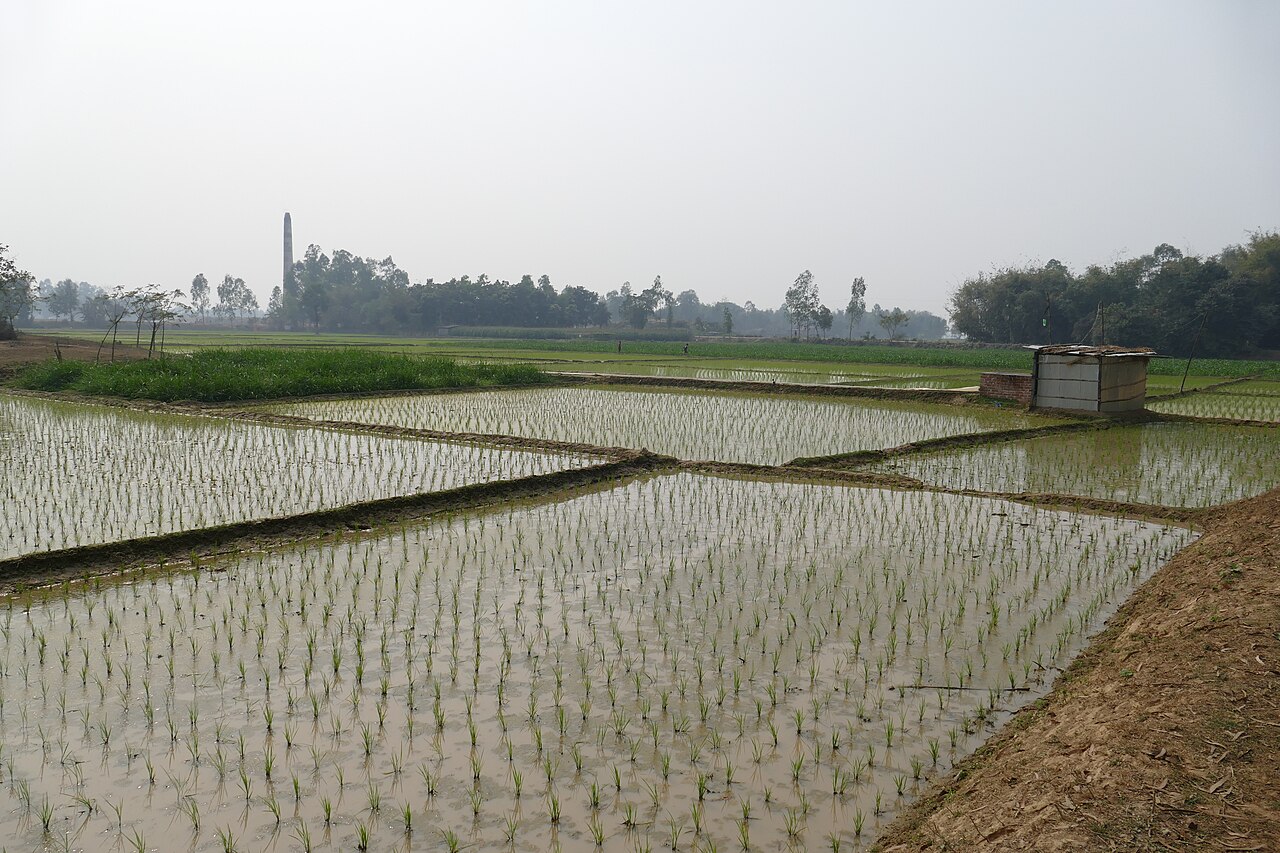
Photo: RanaAnees / Wikimedia Commons (CC BY-SA 4.0)
Source: CIMMYT
Comments
(0)