
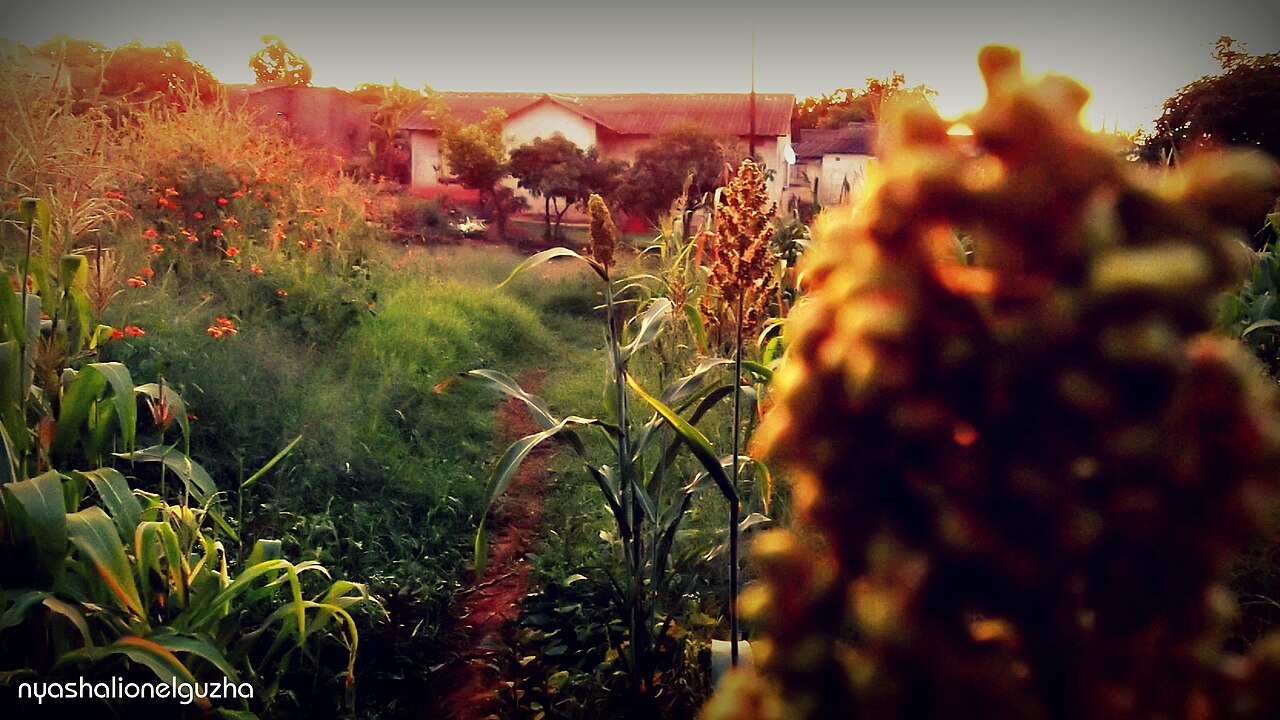
Zimbabwe's Meteorological Services Department is forecasting below-normal rainfall across the country for the coming season. Three farmers in different districts have described how they are keeping production going, even as their profit margins shrink.
Rekopantsoe Nare runs Reena Farm, a 5ha mixed operation at Mbalabala in Matabeleland South. She keeps pigs, cattle, goats, broilers and indigenous chickens and grows tomatoes, cabbages and onions. For her, El Niño is not a reason to plant less but a call to farm smarter. "As farmers we need to plan ahead and not let the El Niño fear grip us. Do not wait for disaster, plan ahead," she said.
Her "real insurance", she said, is fodder she grows herself: river tamarind trees, brachiaria grass, velvet beans, cowpeas, sunn hemp, juncao grass and mulberry trees, which she says improve milk production in her female animals. After harvest she keeps the maize, sorghum and sunflower stalks and the groundnut shells and leaves, grinds them and treats the stover with urea. Molasses, coarse salt and urea fertiliser are weighed and added in proportion. She makes about 1.5 tonnes, which she says holds her cattle's body condition until the next season.
Water is her second defence. In 2023 she dug infiltration pits to catch run-off, and they are now full. A nearby dam holds water all year and she has a borehole, so she does not expect to cut production. If the rain fails she will switch to crops that need less water, and she advises other farmers to consider drought-tolerant cowpeas, sunflower and sorghum.
In Umzingwane, also in Matabeleland South, Limousin farmer Ndumiso Sibanda lost his cattle's grazing to a veld fire earlier this year. On his 100ha farm the animals are now penned and fed a mix of hay, stover and chicken litter at a maintenance rate, with the amounts reviewed against stock levels and the weather forecast. He is expanding juncao grass under irrigation, plans to sow lablab and velvet beans once the rain arrives and wants to drill at least one more borehole. He is not destocking yet, he said, because prices are likely to be depressed while farmers worry about a tough season.
In Gweru East in the Midlands, grain and vegetable farmer Clever Matutu grows maize, soya beans, potatoes and cabbages on 150ha. His dam can irrigate 300ha and holds enough water for five seasons, even through back-to-back droughts, he said. Land is his limit: he would like to grow maize on 70ha instead of 30ha. Rising fuel and fertiliser costs have eroded his profits, and he has asked the government to consider input subsidies to lower production costs.
The report was written by Clemence Manyukwe for Farmers Weekly South Africa.
Photo: Nyasha l guzha / Wikimedia Commons (CC BY-SA 4.0)
Source: Farmers Weekly South Africa

Comments
(0)