
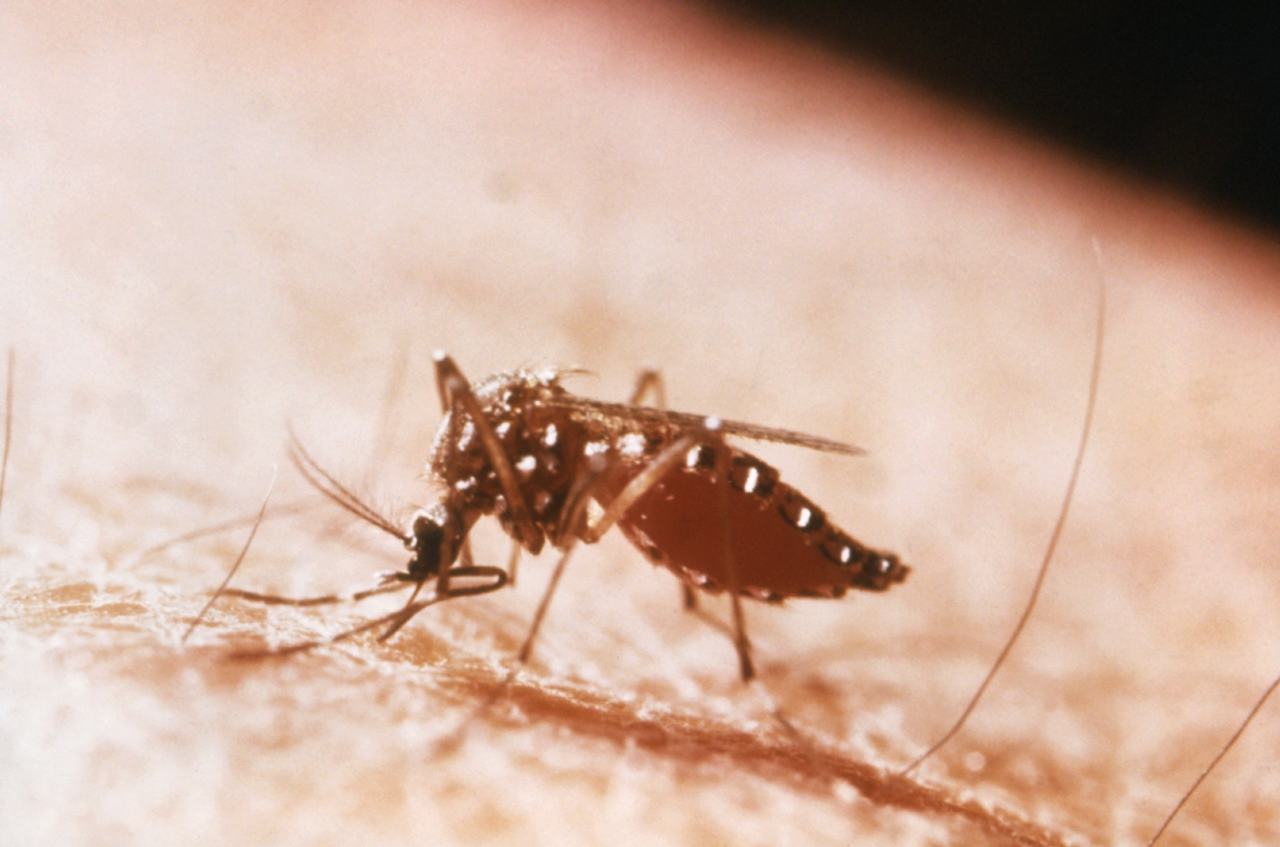
Like dengue and chikungunya, Zika is a virus spread by the bite of Aedes mosquitoes, with much the same symptoms: fever, rash, red eyes, and pain in the head and neck. A report on Ei Samay's health page notes one big difference: Zika can also spread through sexual contact.
An infected man can pass the virus to a partner through sex without any mosquito involved, the report says; men often show no symptoms yet can still carry the virus in semen, where it can remain for weeks or even months after the fever has gone.
Citing the World Health Organization, the report says there is no conclusive evidence that Zika causes permanent infertility. The real danger is in pregnancy: if a pregnant woman is infected by a mosquito or through sex, the baby's brain can be severely damaged, the head may be smaller than normal (microcephaly), and the risk of miscarriage or premature birth rises.
Quoting guidance from the US Centers for Disease Control and Prevention (CDC) and the WHO, the report says a man who has had Zika or has returned from an area where it circulates should use condoms or avoid sex for at least three months after recovery, and throughout the pregnancy if his partner is pregnant.
Anyone with symptoms such as fever and red eyes should see a doctor and have an RT-PCR test, the report advises. As with dengue, controlling Aedes mosquitoes is the main defence against Zika.
Photo: CDC / Wikimedia Commons (public domain)
Source: Ei Samay


Comments
(0)