
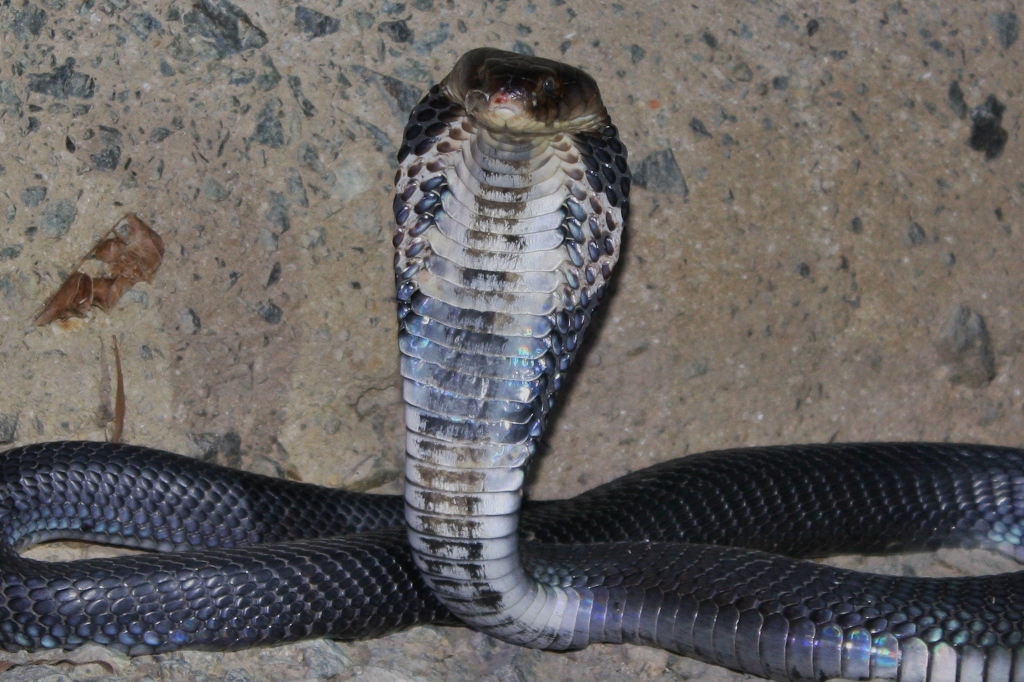
A woman in Yunnan province in south-western China was poisoned herself while trying to save her husband from a cobra bite. Copying a method she had seen on television, she tried to suck the venom out of his wound with her mouth, and both husband and wife had to be admitted to hospital. The South China Morning Post (SCMP) reported the case on 4 July 2026, citing China's Jimu News; Jagonews24 carried it in Bengali the same day.
Bitten while working in the field
According to the report, an elderly farmer was working in his field in Yuanyang county, Yunnan, when a cobra bit his finger. The wound soon swelled and he felt dizzy and weak.
His flustered wife then sucked directly at the wound without any protection, as she had seen done on television. The husband was taken to hospital. Hours later the wife developed numbness in her mouth, tongue, face and limbs, and the next day she felt so fatigued that her family took her to hospital as well.
Doctors at Honghe Prefecture No 3 People's Hospital found that the couple had been poisoned by a local species of cobra. Both received injections of antivenom serum and other treatment, and they were discharged a few days later once their condition had stabilised. Yuanyang county lies in Honghe prefecture and is known for the rice terraces built by the Hani people on its mountain slopes.

Why sucking out venom is dangerous
The Yunnan doctors said it is a common misunderstanding that rescuers should suck out snake venom. The lining of the mouth has a rich supply of capillaries, so venom can quickly enter the rescuer's bloodstream on contact and poison them. Snakebite wounds are also usually as small as pinholes, and the venom seeps quickly into the tissue under the skin or into the blood, which makes sucking it out virtually impossible.
They called cutting the wound to make it bleed another major misconception, since it can cause heavy blood loss or infection, and said heating the wound with fire or applying ice should also be avoided. Instead, a person who has been bitten should call the emergency medical line, move as little as possible and remember the snake's colour, pattern and head shape, or photograph it if possible, so that doctors can choose the right medicine.

What health authorities advise
MedlinePlus, the health information service of the US National Library of Medicine, likewise says plainly that no one should try to suck out venom by mouth. Its first-aid guidance for a snakebite is:
- Keep the person calm and get medical help right away; do not wait for symptoms to appear.
- Restrict movement; after a cobra bite, keep the bitten limb below the level of the heart.
- Remove rings and anything tight, as the area may swell, and loosely splint or sling the limb.
- Do not apply a tourniquet, do not apply ice and do not soak the wound in water.
- Do not cut into the bite with a knife or razor, and do not try to suck out the venom by mouth.
- If it is safe, photograph the snake from a distance or note its colour, shape and size; do not waste time hunting for it or try to catch it.
According to the World Health Organization's fact sheet of September 2023, an estimated 5.4 million people are bitten by snakes worldwide each year, with 1.8 to 2.7 million cases of envenoming, and around 81,410 to 137,880 people die of snakebites annually. In Asia up to 2 million people are envenomed each year, and the burden falls heavily on farmers in poor rural communities. The WHO says high-quality antivenoms are the most effective treatment to prevent or reverse most of the effects of a venomous bite, so a snakebite needs a hospital quickly rather than home remedies.
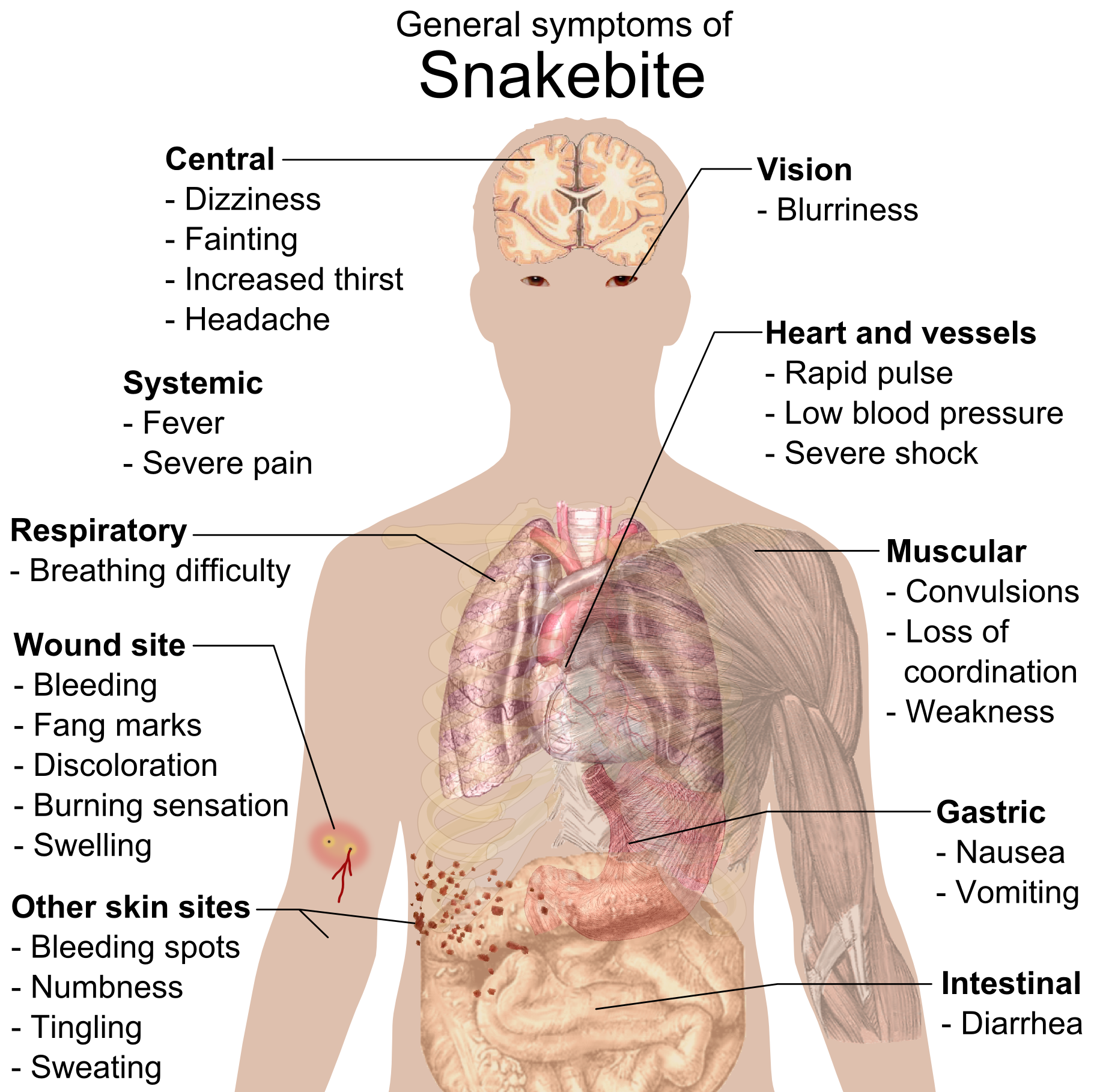
Snakebite cases often draw attention on Chinese social media. The SCMP noted that in May 2026 a 14-year-old student in Guangdong province was bitten by something unseen in the grass on his school campus. Feeling no pain, he did not take it seriously; hours later, with numb limbs and blurred vision, he told his teacher. Doctors said that had treatment been delayed by another hour or two, he would have stopped breathing.
Photo: Thomas Brown / Wikimedia Commons (CC BY 2.0)
Sources: Jagonews24, South China Morning Post (republished by The Star), Mothership, MedlinePlus (US National Library of Medicine), World Health Organization


Comments
(0)