
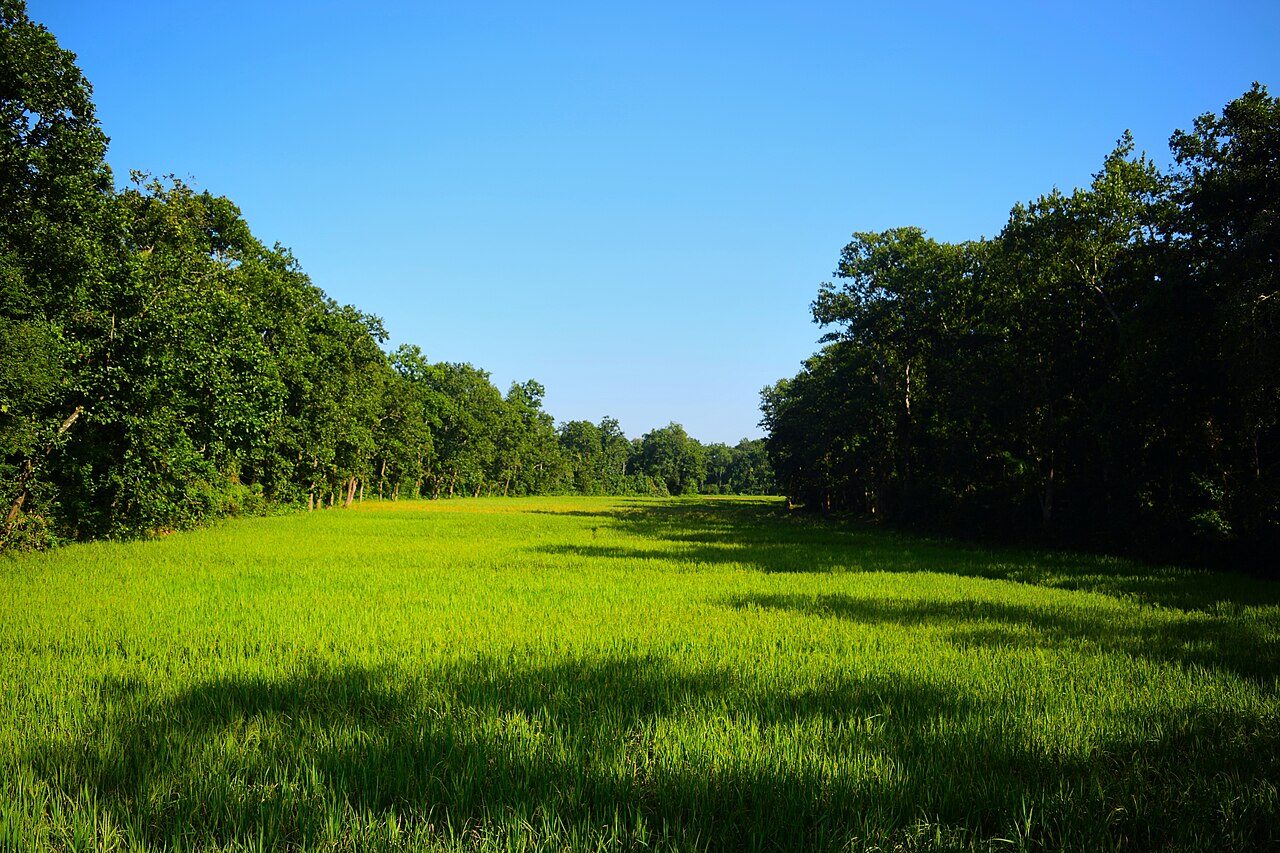
When Ratul Munshi was a boy in Madhupur, Tangail, a wide sal forest stood near his home; over the years it has retreated about five kilometres, and watching it shrink drew him into conservation, Amar Desh reports. He says he has planted about 25,000 trees so far and has tended many sick and damaged trees back to health.
At Jatiya Kabi Kazi Nazrul Islam University he learned hands-on nature study from Dravid Saikat, an associate professor in the faculty of fine arts. In 2019 he joined classmates in a 37-day campaign to save a century-old banyan tree and a pond on campus. When a goat stripped the bark and leaves of a mahua tree on campus, he brought cow dung from a nearby village and plastered the trunk, and the tree recovered.
In 2020 he walked about 400 km from the university to Khagrachhari on a tree march that planted trees and raised awareness of invasive species in more than 400 markets and 26 upazilas. He says he has taken part in planting about 300,000 fruit trees with the organisation Folodo Bangladesh, has planted the rare boilam tree in all 64 districts, and on his own has planted more than 2,000 palm trees.
The Madhupur tract is one of the most important forests of central Bangladesh, long under pressure from encroachment and felling, with allegations of forest cleared by fire and trees killed by chemicals applied to the bark. Ratul runs regular awareness and protest programmes for the sal forest and is setting up a youth platform, the Bangladesh Forest Resources Research and Development Council.
The environment is not just trees and forests but every living thing from insects to wildlife, he says. "If bees and other insects do not pollinate, crops will not be produced. Trees meet much of our basic needs, including oxygen, yet we are cutting them down indiscriminately."
Photo: Parthapdas100 / Wikimedia Commons (CC BY-SA 4.0); a paddy field inside the Madhupur sal forest
Source: Amar Desh
Comments
(0)