
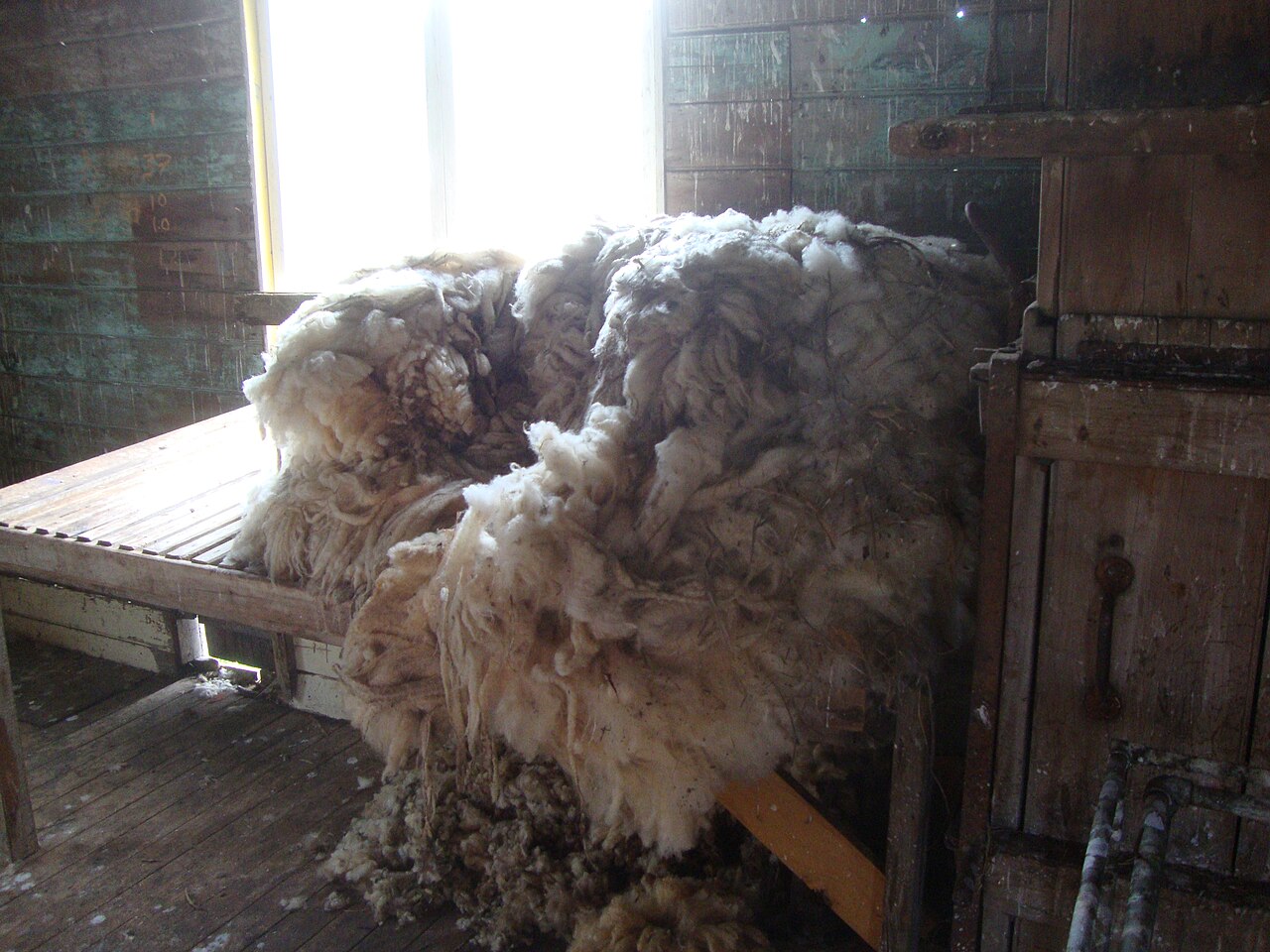
A clinical sleep trial will test how New Zealand strong-wool bedding performs against synthetic alternatives, in what ministers call a world first, Farmers Weekly NZ reports.
Agriculture Minister Todd McClay and Rural Communities Minister Mark Patterson announced the three-year, $2 million research programme, led by Gisborne-based Wisewool and supported with $800,000 from the Primary Sector Growth Fund. Real people will be studied in their own homes and in sleep laboratories, measuring sleep latency, body-temperature regulation, breathability, moisture management, hypoallergenic performance and comfort.
Wisewool, founded in 2021, makes an engineered natural fibre. "What we want out of it is clear, credible data on how strong wool improves sleep," said operations manager Angus Hansen, adding that the proof would give growers "a stronger story to take to the world".
McClay said scientific validation would let strong wool command a premium as a natural alternative to foam, synthetics, feathers and cotton. Earlier government support helped the company develop a wool filler for furniture and bedding, and it already pays Tairāwhiti East Coast farmers a 50-cent premium for every kilogram of raw wool, he said.
Wisewool aims to process 30 million kilograms of wool across the North Island over the next decade, which would require a significant share of New Zealand's strong-wool clip.
Photo: Schwede66 / Wikimedia Commons (CC BY-SA 3.0)
Source: Farmers Weekly NZ


Comments
(0)