
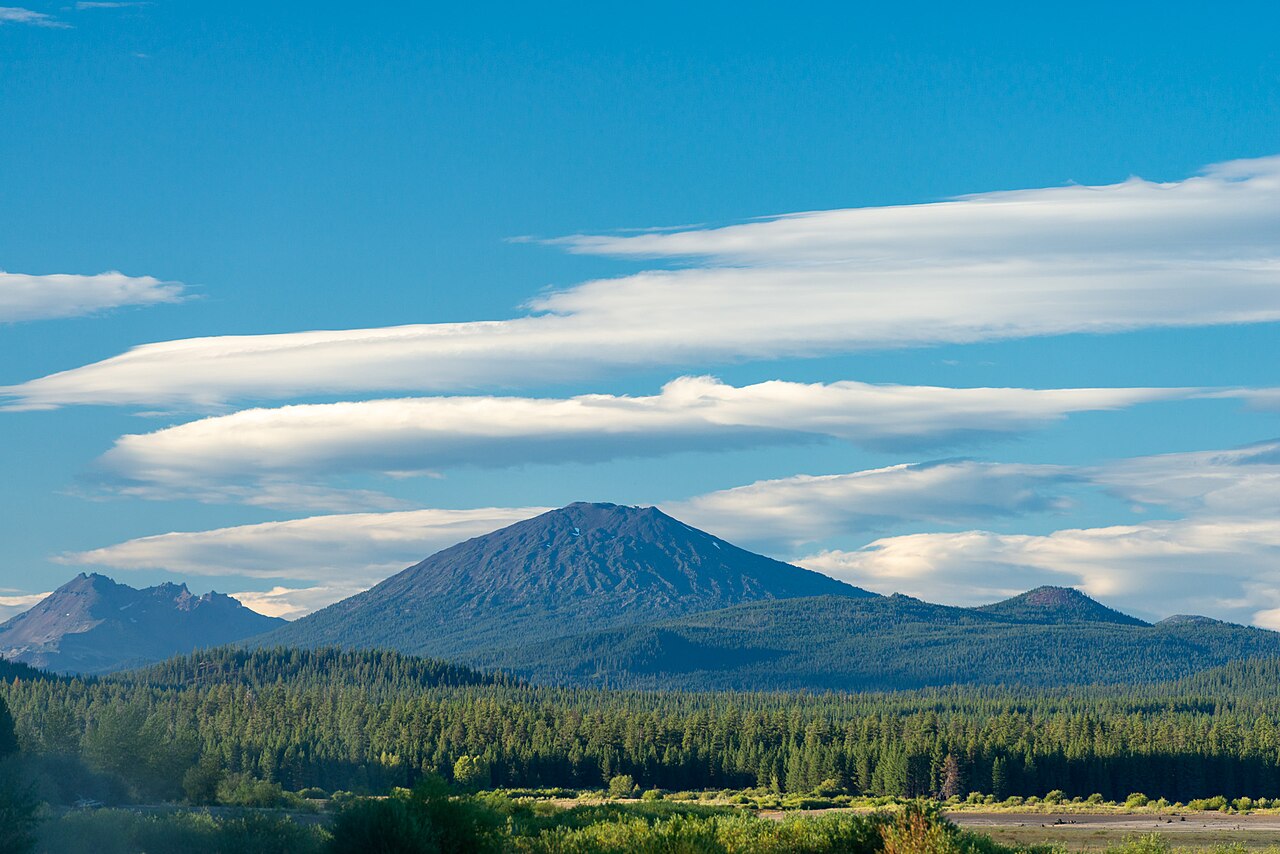
Wickiup Reservoir in Central Oregon is expected to fall to extremely low levels this fall as water managers balance farmers' needs with the flows required for the threatened Oregon spotted frog in the Upper Deschutes River, after a summer of severe drought and some of the lowest natural streamflows on record.
North Unit Irrigation District set this year's allotment at 1.3 acre-feet per acre, against a typical full allotment of 2 to 2.25. "This is our eighth year of subpar patron allotments," said district manager Josh Bailey, who plans to shut off irrigation water on 9 October for construction work.
Deschutes Basin watermaster Jeremy Giffin said releases are being stepped down to reach the minimum of about 103 cubic feet per second on 16 October under the basin's Habitat Conservation Plan, after the US Fish and Wildlife Service released about 15,000 acre-feet it had stored. He expects the reservoir to stay above about 20,000 acre-feet, far below last year's low of about 65,910 acre-feet; it began the season with more than 180,000.
"If we don't have a very robust winter with both snowpack and precipitation, we could be in uncharted territory next irrigation season," Giffin said, warning of earlier and deeper curtailments for farmers, with North Unit among the districts of greatest concern. Some turbidity downstream is possible as the reservoir drops.
Photo: Gary Halvorson, Oregon State Archives / Wikimedia Commons (CC BY 4.0)
Source: Capital Press

Comments
(0)