
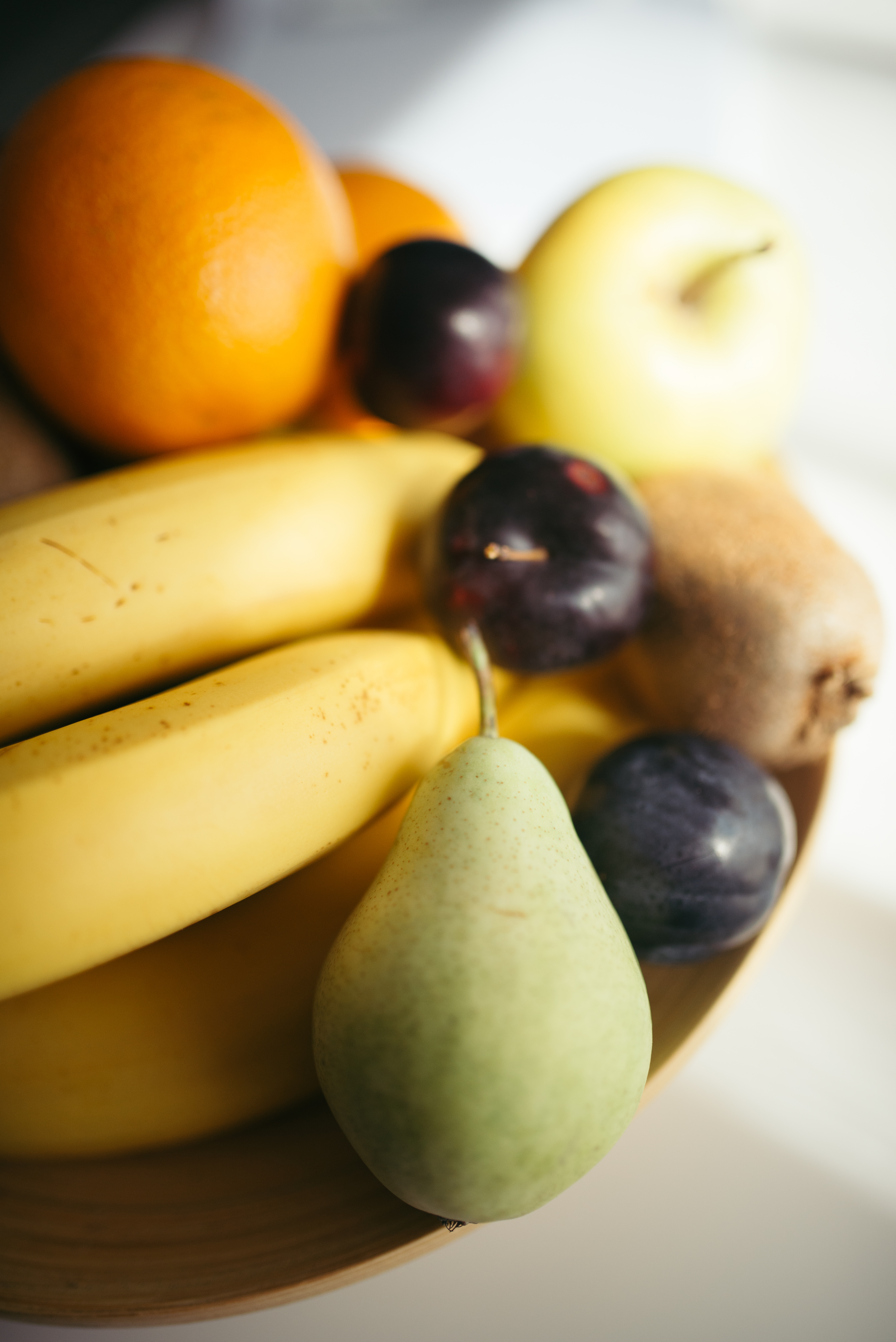
On 2 September 2025 the lifestyle desk of the Bengali news site Jagonews24 suggested eating fruit instead of tea or coffee when tired, each at its own time of day: a banana in the morning, an apple before noon, an orange or malta in the afternoon, grapes in the evening and dates before or after exercise. Here is what U.S. Department of Agriculture (USDA) data, Harvard T.H. Chan School of Public Health's Nutrition Source and other health bodies say those fruits contain.
The energy in fruit comes mainly from its natural sugars, which are carbohydrates. The American Diabetes Association notes that the sugar in fruit is naturally occurring, but all carbohydrates affect blood glucose, while the fibre in fruit keeps people full and helps them manage blood glucose. No research was found tying any fruit to a best hour; the timetable is the report's own.
A banana in the morning, an apple before noon
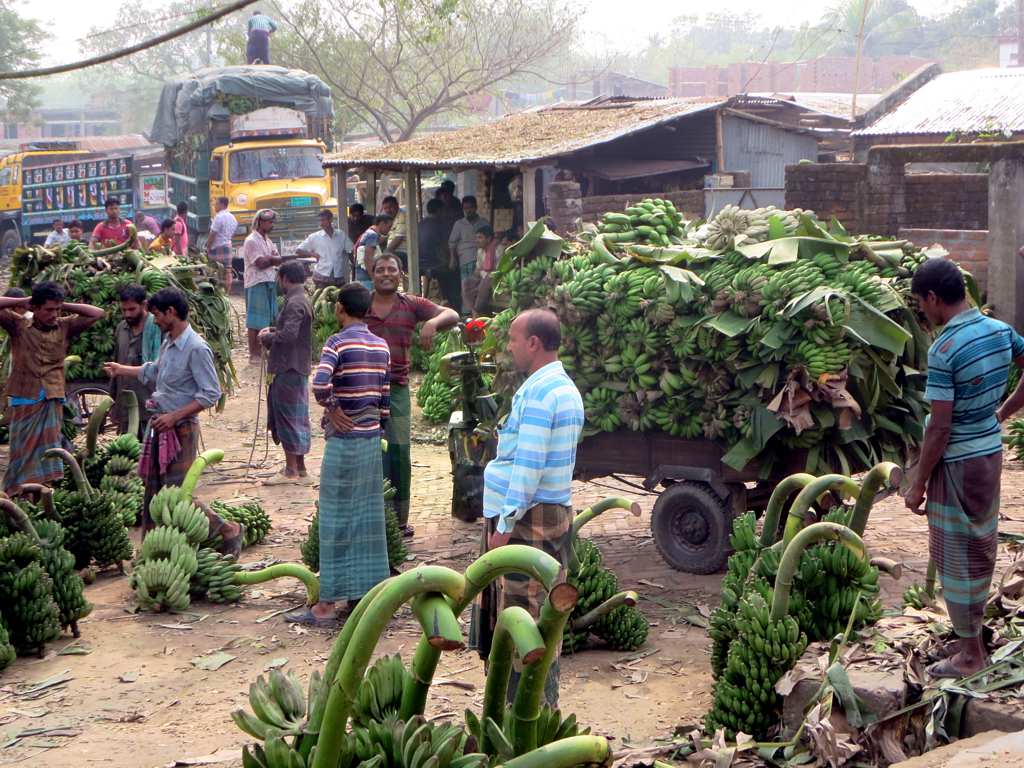
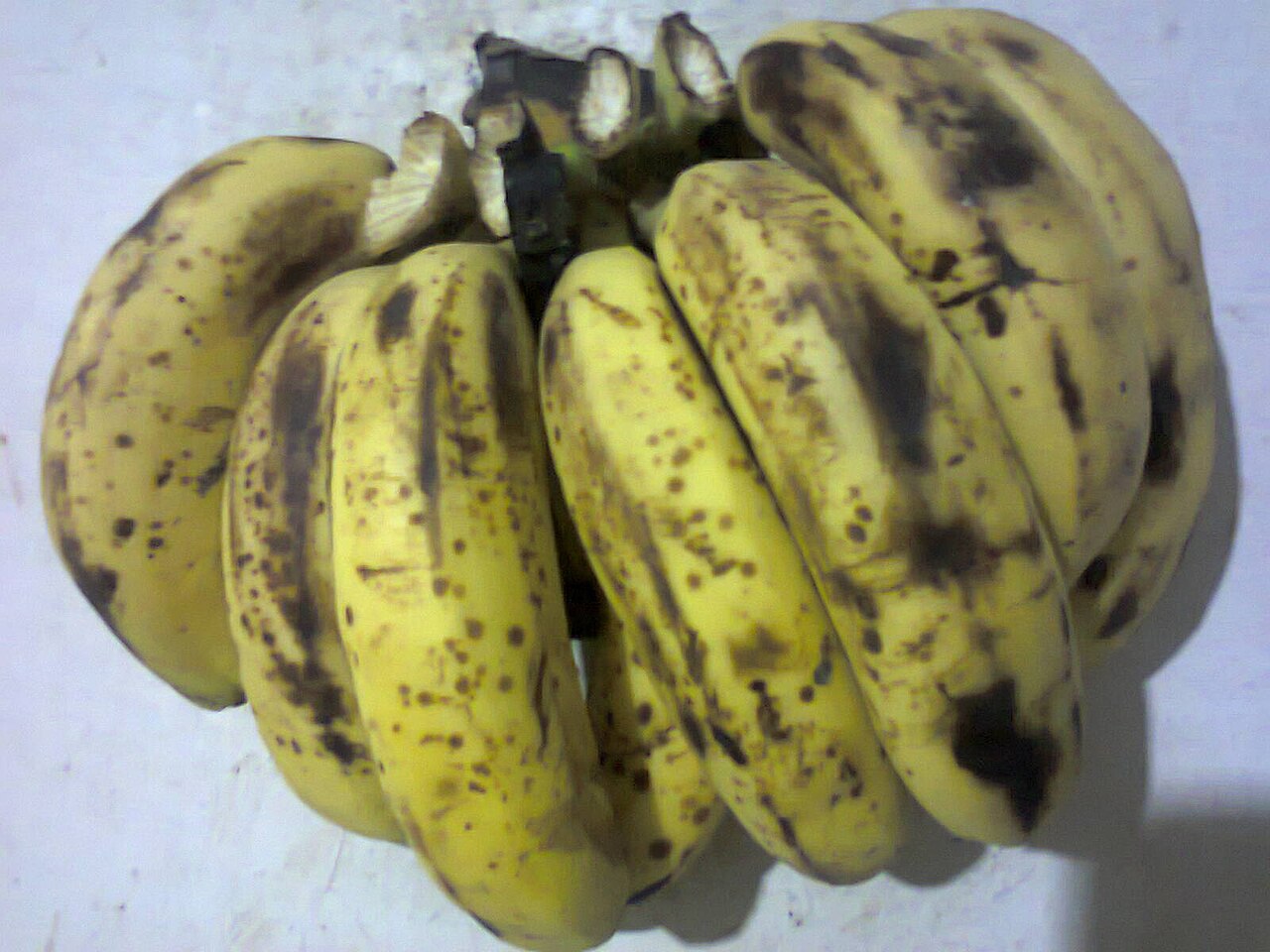
USDA data put 100 g of raw banana at 89 kcal with 12.2 g of sugars: 4.98 g glucose, 4.85 g fructose and 2.39 g sucrose. The same amount carries 358 mg of potassium and 2.6 g of fibre. Harvard's Nutrition Source says ripe bananas have a low glycaemic index of 51, slightly under-ripe ones 42, and unripe green bananas contain resistant starch, which resists digestion in the small intestine.
A medium apple, according to Harvard, provides about 95 calories, 25 g of carbohydrate, 19 g of naturally occurring sugar and 3 g of fibre. As fibre-rich fruits with a low glycaemic load, they tend to produce fewer and smaller rises in blood sugar, in line with the report's point that apples release energy slowly.
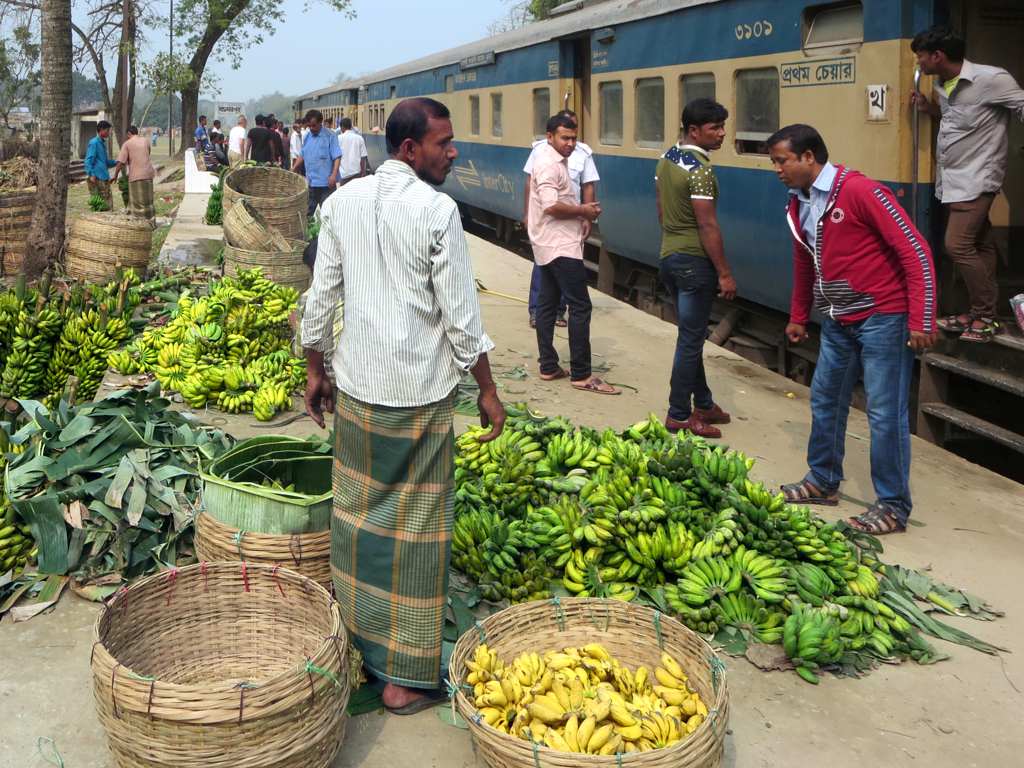
An orange or malta in the afternoon, grapes in the evening
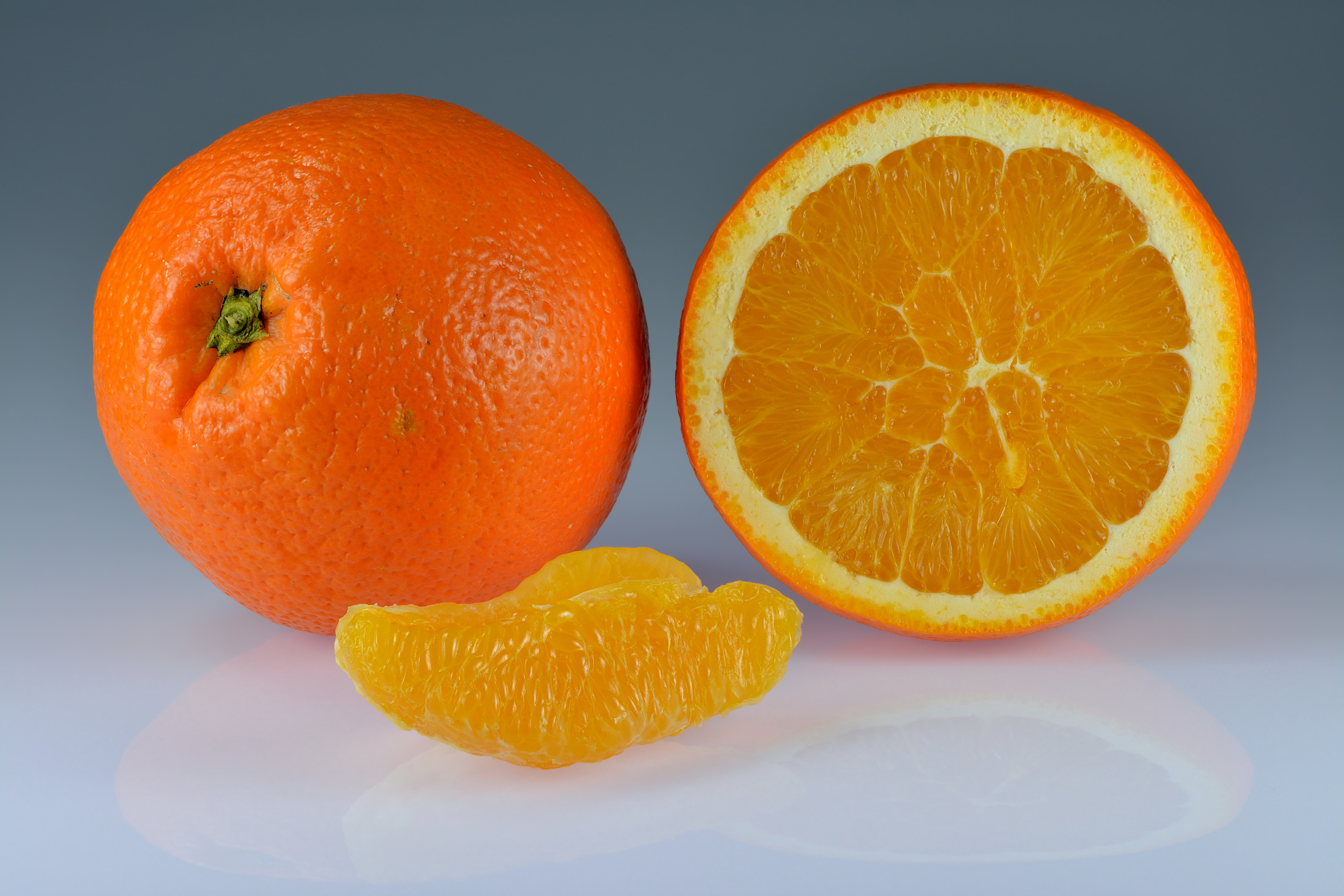
USDA data give 100 g of orange 47 kcal, 9.35 g of sugars, 2.4 g of fibre and 53.2 mg of vitamin C. Harvard puts the recommended daily vitamin C intake for adults at 90 mg for men and 75 mg for women. Vitamin C itself supplies no calories; the energy comes from the fruit's sugar. The vitamin is needed to make collagen and helps the body absorb iron from plant foods, and fatigue and iron-deficiency anaemia are among the signs of a severe deficiency.
In USDA data, 100 g of red or green grapes holds 69 kcal and 15.5 g of sugars, almost all of it glucose (7.2 g) and fructose (8.13 g), with only 0.9 g of fibre. Purple grape skins contain polyphenols such as anthocyanins, and resveratrol is found mainly in the skins and seeds. As the report said, people with diabetes should watch how many they eat or ask their doctor.
Dates before or after exercise
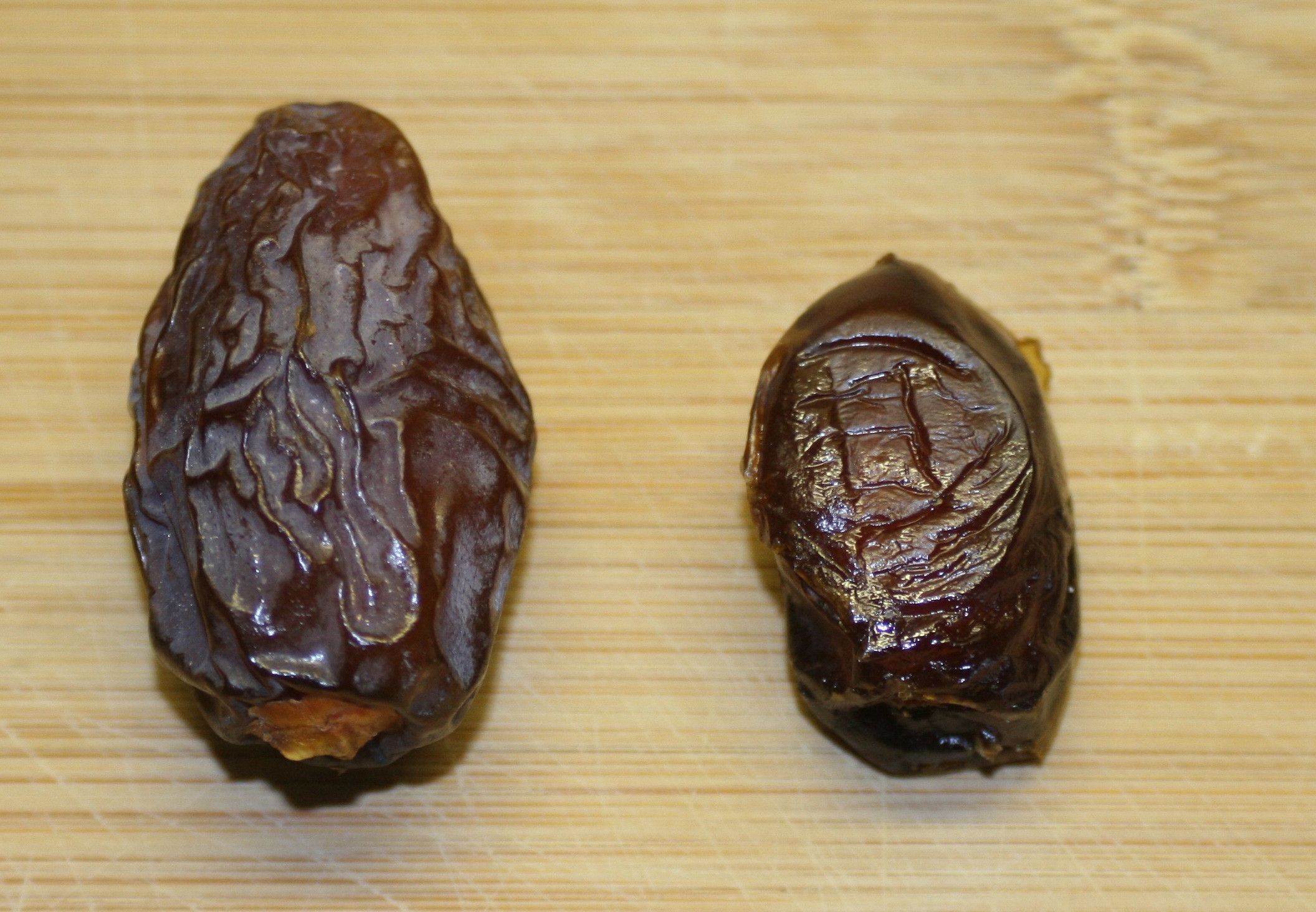
A 2008 review by Cornell University researchers in Critical Reviews in Food Science and Nutrition found date flesh low in fat and protein but rich in sugars, mainly fructose and glucose, providing an average of 314 kcal and 8 g of fibre per 100 g. USDA data for Deglet Noor dates show 63.4 g of sugars and 656 mg of potassium per 100 g. A 2016 study at Qassim University in Saudi Arabia measured a mean glycaemic index of 55.2 across 17 date varieties, ranging from 42.8 to 74.6.
On exercise, MedlinePlus, from the U.S. National Library of Medicine, says carbohydrates provide energy during exercise and are stored mostly in the muscles and liver. Eating carbohydrates beforehand helps if a session lasts more than an hour, and after heavy workouts carbohydrates rebuild the energy stores in the muscles. Dates can serve that purpose, but their high sugar content makes portion size worth watching.
The World Health Organization recommends at least 400 g, or five portions, of fruit and vegetables a day, saying this reduces the risk of noncommunicable diseases. As the report advised, people with diabetes, high blood pressure, or liver or kidney disease should consult a doctor before making any food a regular habit.
Photo: Shixart1985 / Wikimedia Commons (CC BY 2.0)
Sources: Jagonews24, U.S. Department of Agriculture (FoodData Central), Harvard T.H. Chan School of Public Health (The Nutrition Source), American Diabetes Association, MedlinePlus, World Health Organization, Critical Reviews in Food Science and Nutrition, Annals of Saudi Medicine, Wikipedia
Comments
(0)