
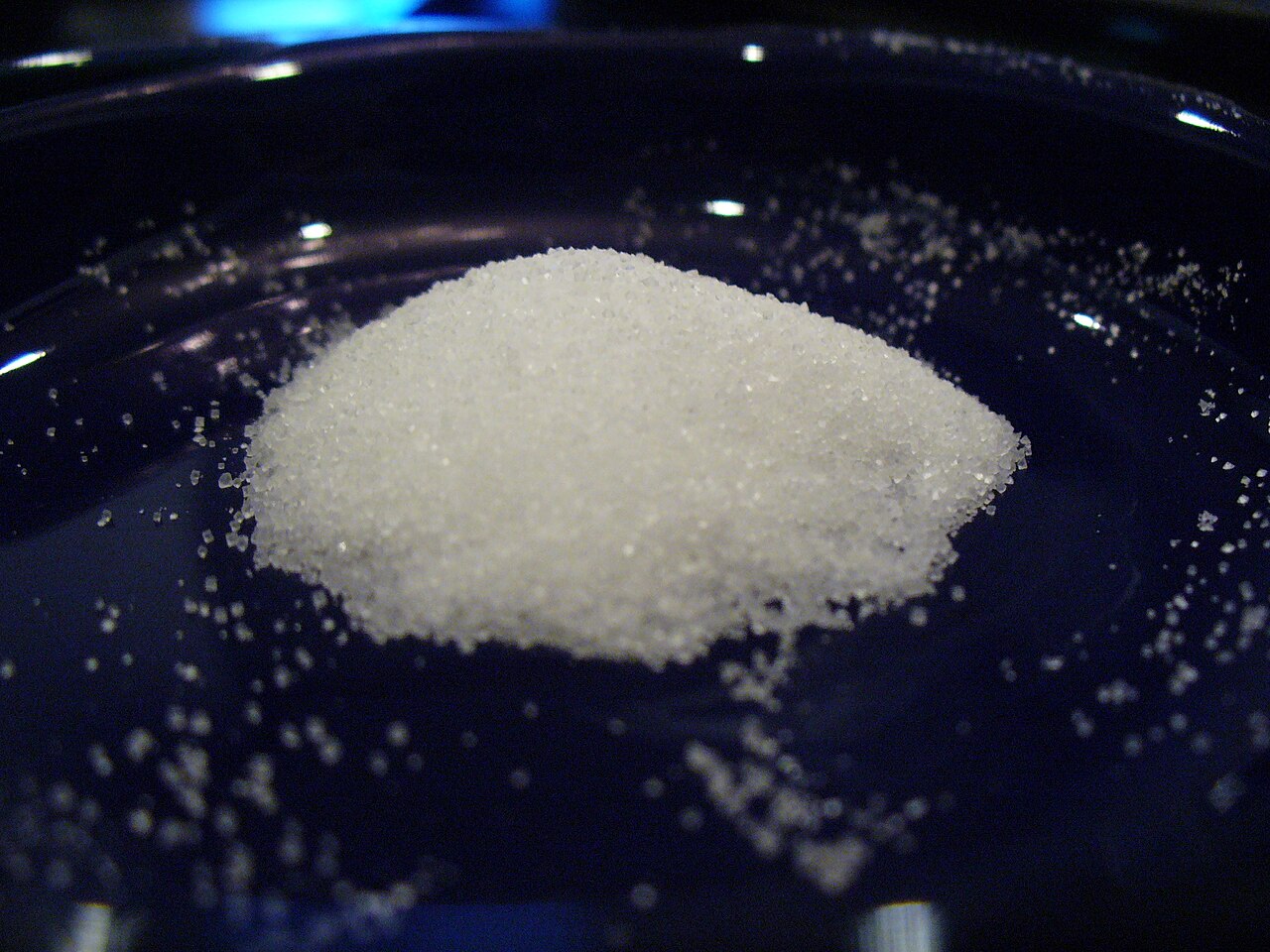
Alongside ordinary white salt, shops now sell pink salt, rock salt (saindhava), black salt (bit lobon) and Celtic salt, each with its own colour, taste and price. Asked which is best for daily cooking, Dr. Arjun Sankaran, a cancer surgeon in Hyderabad, India, said in an Instagram post that what matters is not the colour but whether the salt contains iodine. Samakal reports his advice.
In Dr. Sankaran's view, iodised white salt is best for everyday cooking. He also rejects the idea that white salt is chemically bleached: pure salt is naturally white, and iodine is added after it is harvested and cleaned. Iodine is needed to make thyroid hormone; a shortage can cause goitre and thyroid problems, and in pregnancy it can affect a baby's brain development.
On the belief that pink and rock salt are healthier because they hold more minerals, he says the mineral content is tiny, so there is no real reason to use them for extra nutrition. Pink, rock, black and Celtic salts are also very low in iodine, so cooking with them every day may leave iodine needs unmet. They can be used now and then for flavour.
Sea salt does not automatically contain enough iodine either; he advises checking the packet says iodised. Low-sodium salt, in which part of the sodium chloride is replaced by potassium chloride, can help control high blood pressure, but people with kidney problems or on potassium-containing medicines should not use it without a doctor's advice.
How much matters as much as which kind. Too much salt raises the risk of high blood pressure and other problems. Dr. Sankaran advises keeping total salt, including pickles and papads, under one teaspoon a day.
In short, expensive or coloured salt is not necessarily healthier; for the kitchen, his advice comes down to choosing iodised salt and using it sparingly.
Photo: Drtony999 / Wikimedia Commons (CC BY-SA 3.0)
Source: Samakal

Comments
(0)