
Western Australia's Department of Primary Industries and Regional Development (DPIRD) has started a three-year project to make doubled haploid breeding, one of plant breeding's most useful shortcuts, faster and cheaper in wheat and barley. The project, co-funded by the Grains Research and Development Corporation (GRDC) and announced on 14 October, has the breeding companies LongReach Plant Breeders and InterGrain as partners.
Doubled haploid breeding produces genetically pure, stable lines in a single generation, where conventional breeding needs six to eight generations of self-pollination. Immature pollen cells from the anther are coaxed into growing as embryos in a dish; because these carry only half the normal chromosomes, they are treated to double them, giving a fertile plant in one step.
The trouble is that many wheat and barley varieties respond poorly. They give few plantlets, or plantlets that are sterile or lack green pigment and cannot survive, which limits how widely breeders can use the method.
The project will compare DNA and gene activity across wheat and barley types to find the genes that control three steps: chromosome doubling, embryo induction and the regeneration of healthy green plants. A second strand will test transient gene silencing and expression, which switches genes on or off for a while without permanently changing the plant's DNA or passing the change to its offspring, so it is neither gene editing nor genetic modification. The team will also study why a culture medium that has been in contact with ovary tissue helps the cells develop, something seen in practice but not understood.
Dr Yong Han of DPIRD, who leads the project, said doubled haploid techniques are valuable tools and that bringing these lines of work together would take the technology to the next level. Dr Jessica Hyles, GRDC's senior manager for genetic technologies, said the goal was to make the tools more efficient and cost-effective for breeding programmes. The results will feed into GRDC's Accelerating Genetic Gain initiative; for breeders, fewer failed attempts would mean new varieties with traits such as disease resistance or drought tolerance reaching farmers sooner.
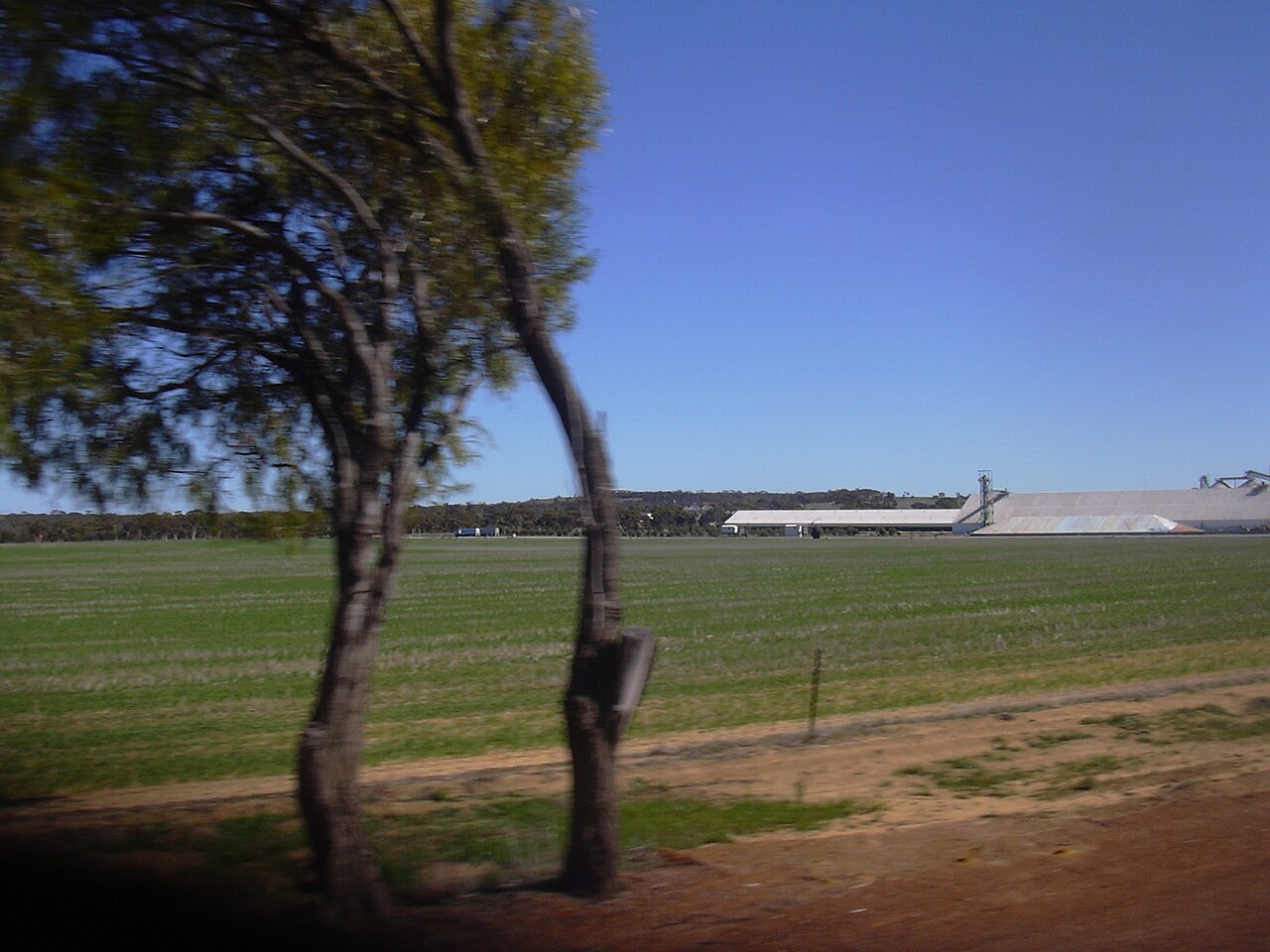
Photo: Gabriele Delhey (wheat field near Quairading, Western Australia) / Wikimedia Commons (CC BY-SA 3.0)
Source: Global Agriculture

Comments
(0)