
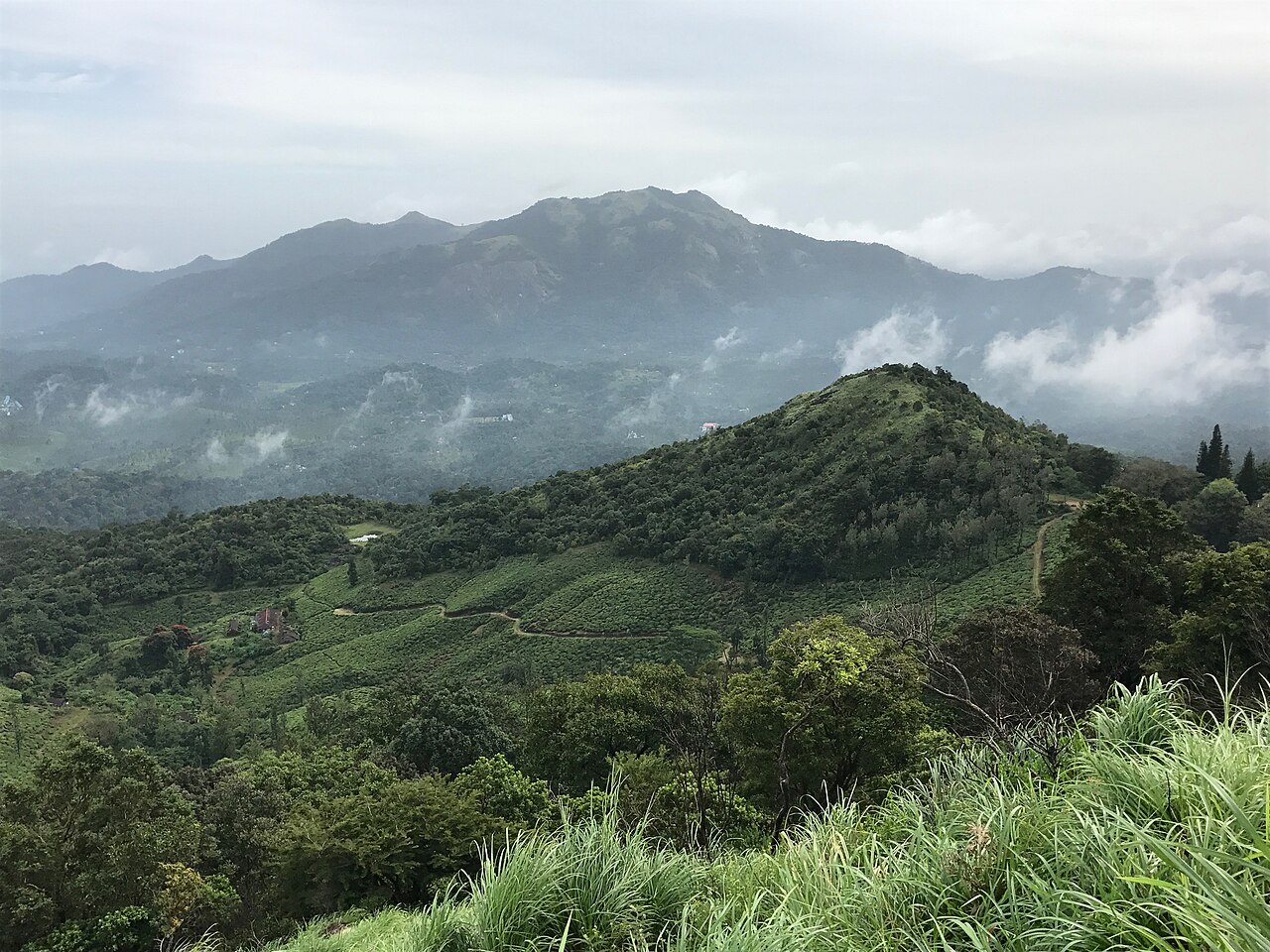
Wayanad, the Western Ghats hill district of Kerala long known for rain, mist and cool nights, is getting warmer, according to one of India's most detailed local weather records.
The Hume Centre for Ecology and Wildlife Biology in Kalpetta began a community weather-monitoring network after the floods and landslides of 2018 and 2019. Since 2024 it has collected rainfall and temperature readings from more than 200 locations, using rain gauges and thermometers kept by local people.
Its latest figures are stark. Between 1 and 17 September 2026 the average temperature was 29.2°C, against 27.3°C in 2023, 27.2°C in 2024 and 27.3°C in 2025, about 1.9°C above the three-year average. Maximum temperatures stayed above 30°C for seven days in a row, from 11 to 17 September, and exposed soil reached 39°C. Rain fell on only four isolated occasions.
That matters for farming. Coffee, pepper, arecanut and paddy in the district grew up around a set pattern of rain, sun and cool nights. "The water table could decline rapidly as groundwater levels fall. Wetland crops, particularly paddy, could be severely affected by water stress," Hume Centre director C K Vishnudas told Down To Earth. A coffee plant was recently seen flowering in September, although flowering normally comes between December and February; one sighting proves no trend, but it warrants investigation, the report notes.
Research already points to the risk. A study of 120 coffee-growing households in Vythiri, Ambalavayal and Noolpuzha found significant vulnerability to changing rainfall and temperature, with Vythiri the most exposed, and a study of 314 Robusta farms projected a median fall of about 12% in Wayanad's Robusta yield under 2°C of global warming. The 2024 Mundakkai-Chooralmala landslide, triggered by rain estimated to be 10.8% heavier because of human-caused warming, shows the other extreme: farms may face dry spells and destructive downpours in one season.
The report adds that heat stress threatens farm labourers and livestock, and that a spread of built-up land and a decline in farm and paddy area, seen in satellite data, make local warming worse. It argues the next step is to link the weather records with soil moisture, groundwater, crop flowering and yields. The report was written by K A Shaji.
Photo: Ms Sarah Welch / Wikimedia Commons (CC BY-SA 4.0)
Source: Down To Earth



Comments
(0)