
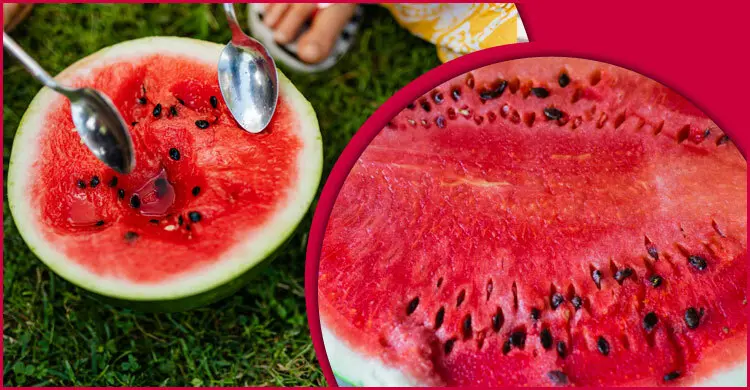
Many things that are good for the body end up in the bin. Watermelon seeds are one such beneficial food.
The US Department of Agriculture advises that instead of throwing watermelon seeds away, you collect them, wash them, dry them in the sun and eat them as a snack, like nuts.
Protein and amino acids
Watermelon seeds are high in protein: one cup of the seeds provides 60 per cent of the protein needed in a day.
They also contain various amino acids the body needs. One of them is arginine, which helps control high blood pressure; according to experts it is quite beneficial in treating coronary heart disease. The seeds also contain glutamic acid, lysine and tryptophan.
Vitamins and minerals
Watermelon seeds also provide vitamin B. According to a report from the American Cancer Society, vitamin B helps turn food into energy.
The seeds provide essential B vitamins such as niacin, which helps maintain the nervous and digestive systems and is also important for the skin. They also contain thiamine, riboflavin and vitamin B6.
Watermelon seeds also contain magnesium. A report from the National Institutes of Health says magnesium helps keep blood pressure under control and also plays a part in digesting carbohydrates.
You can eat watermelon seeds regularly to help avoid blood sugar problems. The seeds also contain phosphorus, iron, potassium, sodium, copper, manganese and zinc.
Fats and calories
One cup of dried watermelon seeds contains 51 grams of fat, of which 11 per cent is saturated fat. The rest is polyunsaturated, monounsaturated and omega-6 fatty acids.
According to the American Heart Association, mono- and polyunsaturated fats help lower cholesterol levels in the blood.
Omega-6 fatty acids also help control high blood pressure. But the seeds are high in calories: a cup of dried watermelon seeds contains 600 calories, so they should be eaten with care.
Watermelon seeds also help keep the heart healthy. Their monounsaturated and polyunsaturated fatty acids lower the level of LDL, or bad, cholesterol in the bloodstream.
Watermelon seeds are very beneficial for people with high blood pressure. They contain a large amount of the amino acid L-arginine, which researchers say raises nitric oxide levels in the body.
How to eat them
You can roast watermelon seeds. For extra flavour, roast them with a little ground black pepper, salt and olive oil.
The roasted seeds can also be mixed into salads, yoghurt or oats, or even roasted, ground and stirred into water to drink.
It is better not to eat too many raw seeds, as they can cause digestive problems. Anyone with health conditions should consult a doctor before eating watermelon seeds.
Citing Healthline and NDTV.
Source: Jagonews24. First published in Bengali on The Agro News.


Comments
(0)