
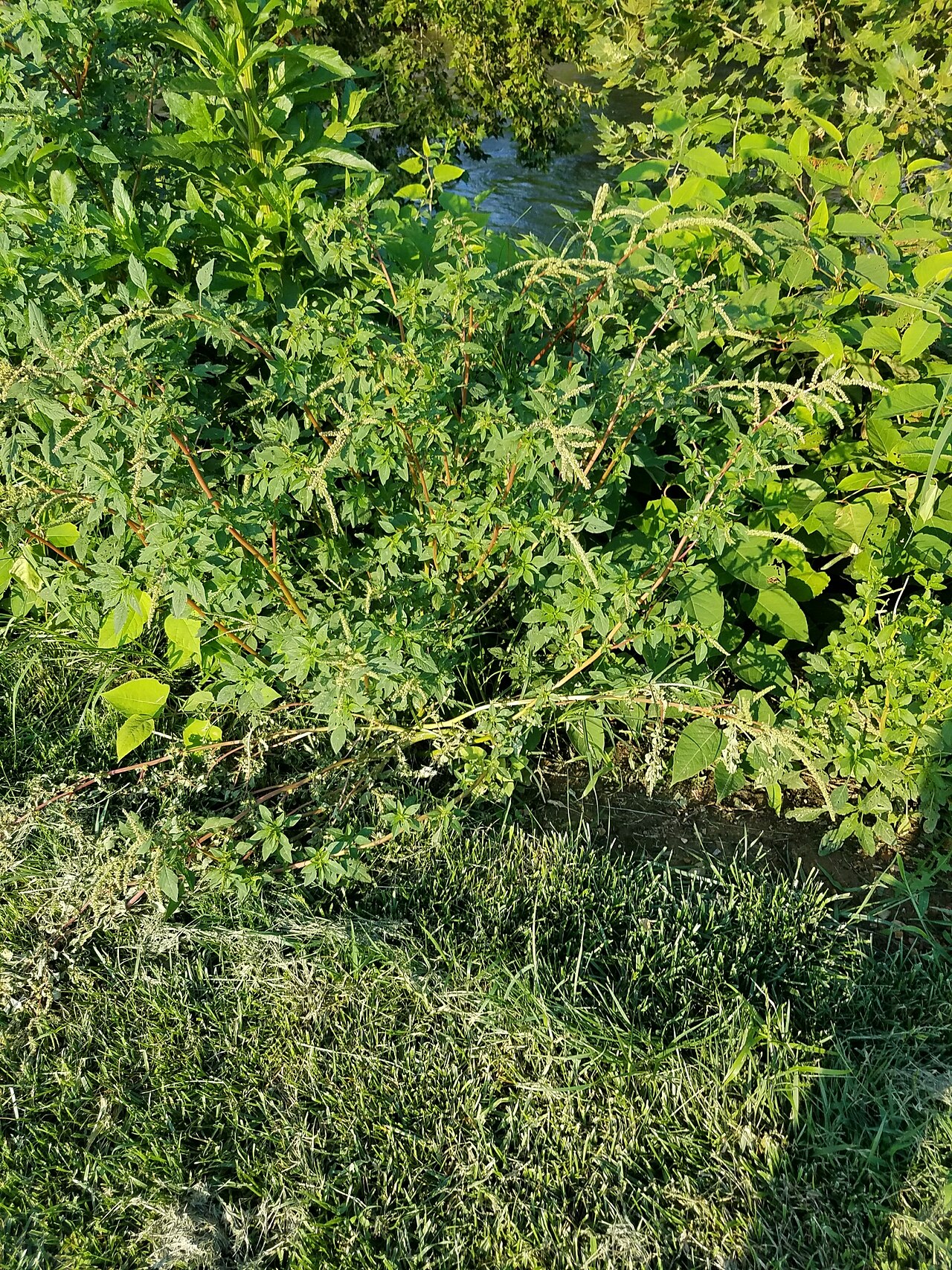
Spraying mature waterhemp that has already produced seed will do little good, Manitoba Agriculture weed specialist Kim Brown told the department's 23 September CropTalk webinar, Don Norman reports in the Manitoba Co-operator.
Waterhemp, already a major weed in Ontario and the US Midwest, produces huge amounts of seed and carries widespread herbicide resistance. It is now well established in parts of Manitoba and has kept spreading north and west in the province.
Brown said a misconception is circulating that late-season spraying can kill seed that has not fully matured. It cannot: herbicides do not kill seeds, and once an annual weed has set seed, even immature seed, killing the plant does not change the seed bank. "That is revenge spraying, and it is an absolute waste of time and money," she said. The money is better spent on controlling the weed next season.
Plants still flowering are a different matter. If enough waterhemp or other annual weeds are at the flowering stage, an application can stop them setting seed, especially if warm weather before a killing frost would give seed time to mature. Spraying large green weeds to dry them down before harvest is a separate decision.
Brown also warned about herbicide choice late in the season. Products such as dicamba should not be applied now because growers would not meet the pre-harvest interval, creating market-access concerns. Fall use of Distinct, a dicamba-containing herbicide registered for fall application, can also leave fewer crop options the next spring. "The later you apply it, the more limiting it is to crops that can be grown next year," she said.
Timing of fall weed control varies widely this year: some growers have harvested cereals and canola, while much acreage in western and northern Manitoba is still unharvested.
Photo: Lottery Discountz / Wikimedia Commons (CC0)
Source: Manitoba Co-operator

Comments
(0)