
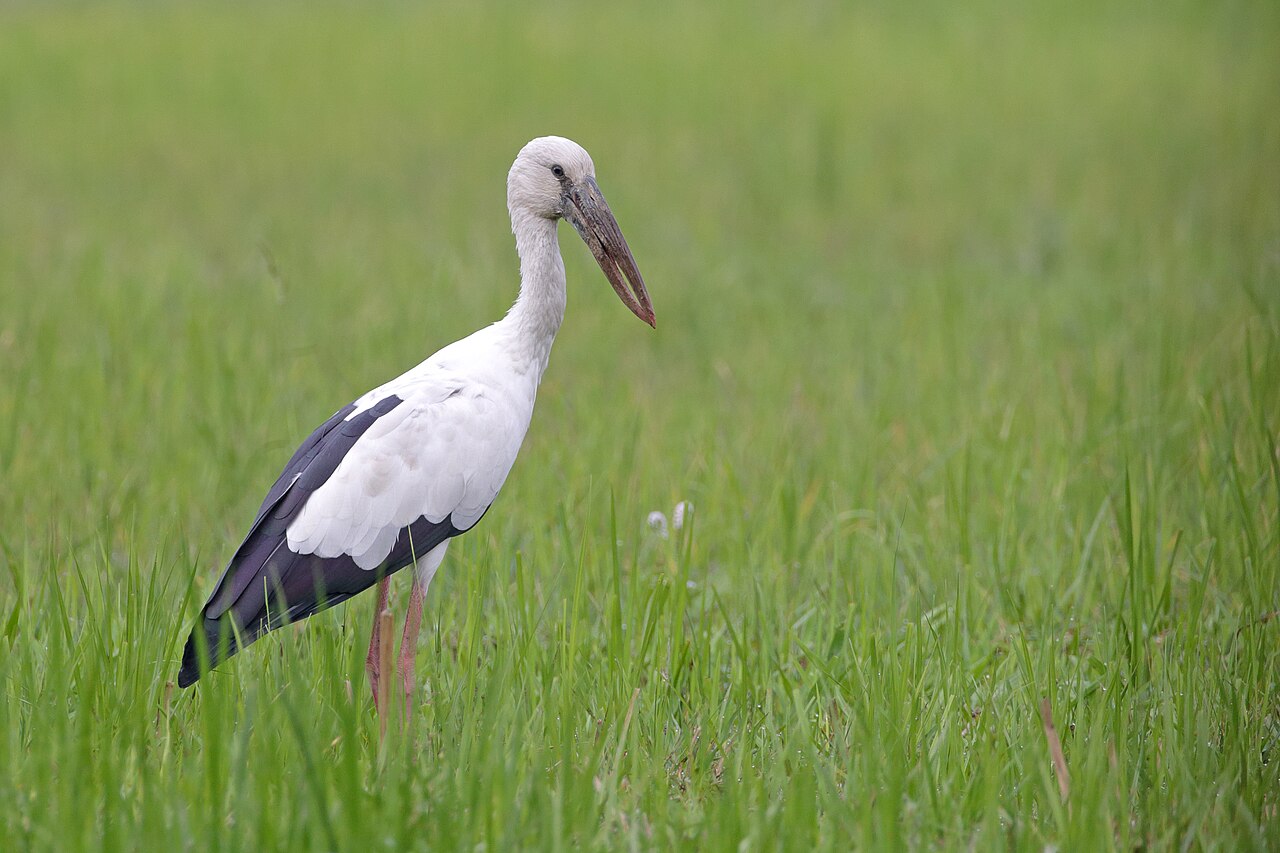
A Forest Department study of waterbird breeding colonies in 24 districts of four divisions has counted 171,552 birds of 16 species and 82,086 nests. The survey covered Rajshahi, Rangpur, Sylhet and Mymensingh divisions, and found the most birds in Naogaon: 25,741 of 12 species, most of them cattle egrets.
Sylhet came second with 18,382 birds of six species, and Netrokona third with 17,748 of seven species. Jamalpur had the fewest, only 440 birds of five species. Across the survey the cattle egret was the most numerous species, followed by the little cormorant and the Asian openbill. By division, Rajshahi led, followed by Sylhet, Rangpur and Mymensingh.
The study was carried out by the Bangladesh Wildlife Center of the Forest Department in Gazipur, with World Bank funding. It was led by the centre's ornithologist Allama Shibli Sadik and supervised by Professor Monirul H Khan of the zoology department at Jahangirnagar University. The first phase was published in June 2025, and the next phase is under way.
The researchers found that birds tend to build colonies in trees close to paddy fields, as well as near wetlands, farmland and homesteads, and that most nesting trees stand on private land. Birds return to the same trees each breeding season, so felling those trees takes away their homes. Besides storms, lightning and hail, the study recorded nest destruction, the taking of eggs and chicks, the killing of adult birds and poisoning.
Shibli Sadik said hunting and poisoning put waterbirds at particular risk in parts of Sylhet, Sunamganj, Mymensingh and Jamalpur, and called for law enforcement alongside greater awareness among local people. Professor Khan said these birds play an important part in keeping wetland ecosystems in balance, and that the picture the study gives should be the basis for conservation work.
A separate study, published on 22 June this year in the journal Ecology and Evolution, looked at 235 active colonies in the four divisions and gathered the views of 2,555 landowners living within 500 metres of them. According to the participants, the level of poisoning was high at 105 colonies and very high at 66, and Sylhet division scored highest on the researchers' poisoning risk index.
Alidewana village in Mahadebpur upazila of Naogaon shows what local people can do. Waterbirds nest there every year from March to September in homestead trees and bamboo clumps, and villagers have protected them for two decades. Nirmal Barman, president of the village conservation committee, said everyone in the village takes responsibility for the birds; he received a national award for wildlife conservation in 2018. The report is by Prothom Alo's Mostafa Yousuf.
Photo: Tareq's Photography / Wikimedia Commons (CC BY-SA 4.0)
Source: Prothom Alo


Comments
(0)