
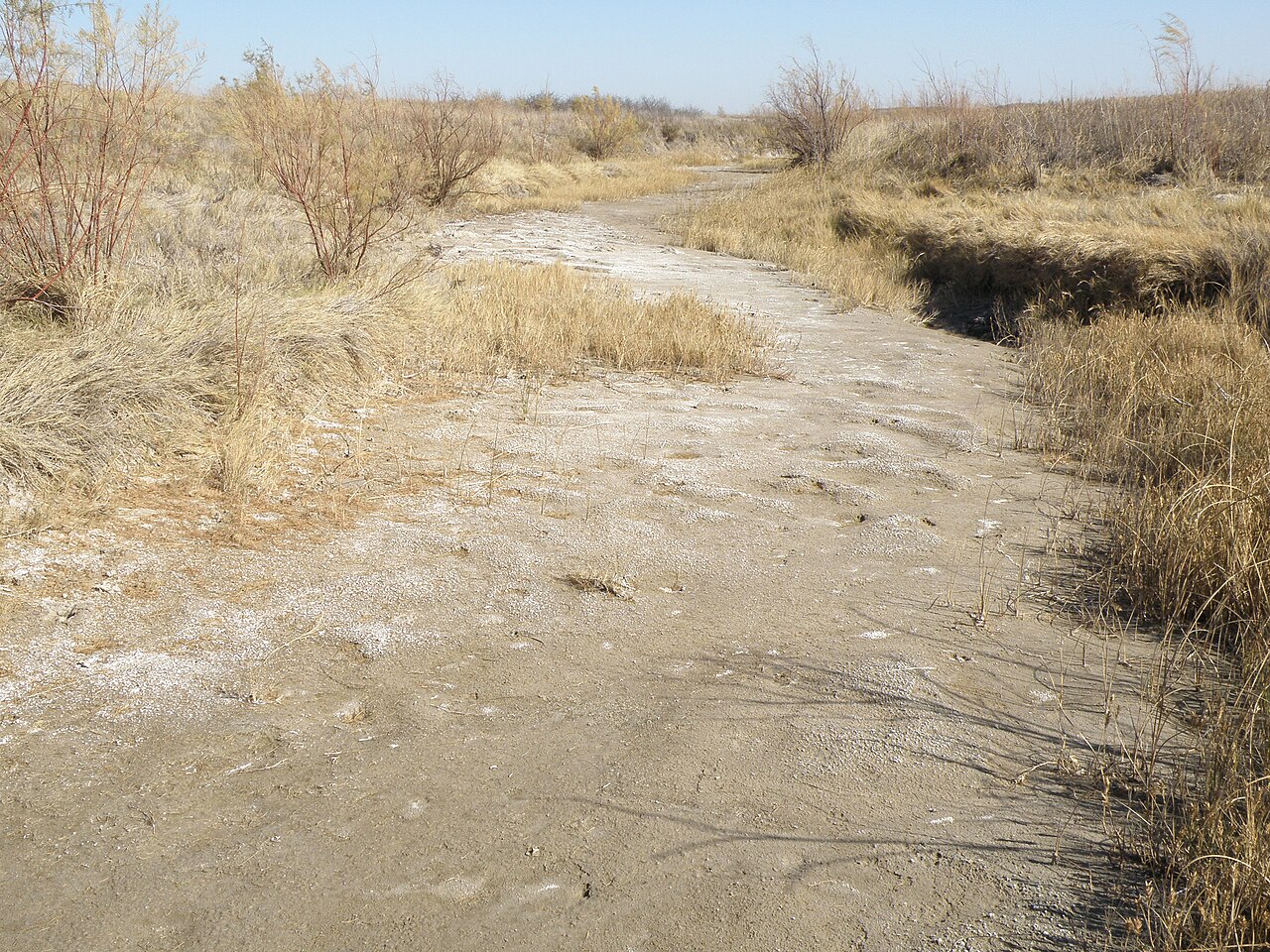
Rivers, lakes and reservoirs around the world lost water at an unprecedented rate in 2023 and 2024, the two hottest years on record, according to an international study led by the Chinese Academy of Sciences. River flow over the period was about 5.7 percent below normal, and the water stored in lakes and reservoirs fell by 9.5 percent. It was the largest combined decline in surface freshwater since 1991.
The researchers analysed flow records for 150 major river basins from 1991 to 2025 and used satellite data to track more than 1.2 million lakes and reservoirs. A warmer atmosphere draws more moisture from soil, rivers and lakes, they explain, and hot land speeds up evaporation; that moisture later falls as heavy rain elsewhere, much of it over the sea. The result is faster swings between drought and flood, so that even areas hit by severe floods in 2023-24 had low river flows for the rest of the year.
Dr Sulagna Mishra, one of the study's authors, said the findings show a paradox of climate change: a warmer atmosphere does not mean more water on land. Global rainfall rose over the period, but most of it fell over the oceans, while many land regions faced severe shortages.
South America was hit hardest, with river flow down 17.8 percent and lake and reservoir storage down 16.5 percent, even though parts of the continent saw extreme rain and floods. Dr Yi He, an associate professor at the University of East Anglia, said a river can flood suddenly during intense rain yet stay below its normal level for most of the year.
The researchers say the world's water supply is threatened at once by super El Niño events, climate-driven drought, pollution and over-abstraction, and that the warmer the planet gets, the harder it becomes to predict how much water will be available. Professor Christian Dunn, chair of the British Ecological Society's policy committee, said the most worrying finding is how fast freshwater can disappear even in regions thought of as wet; floods do not mean water security.
Professor Richard Allan, a climate scientist at the University of Reading, said the damaging swing between heavy rain and severe drought is now visible in every land water system, and that it will keep getting worse until greenhouse gas emissions are cut and the climate is stabilised. The report is by Samakal's international desk.
Photo: Rachel Laubhan, U.S. Fish and Wildlife Service / Wikimedia Commons (public domain)
Source: Samakal

Comments
(0)