
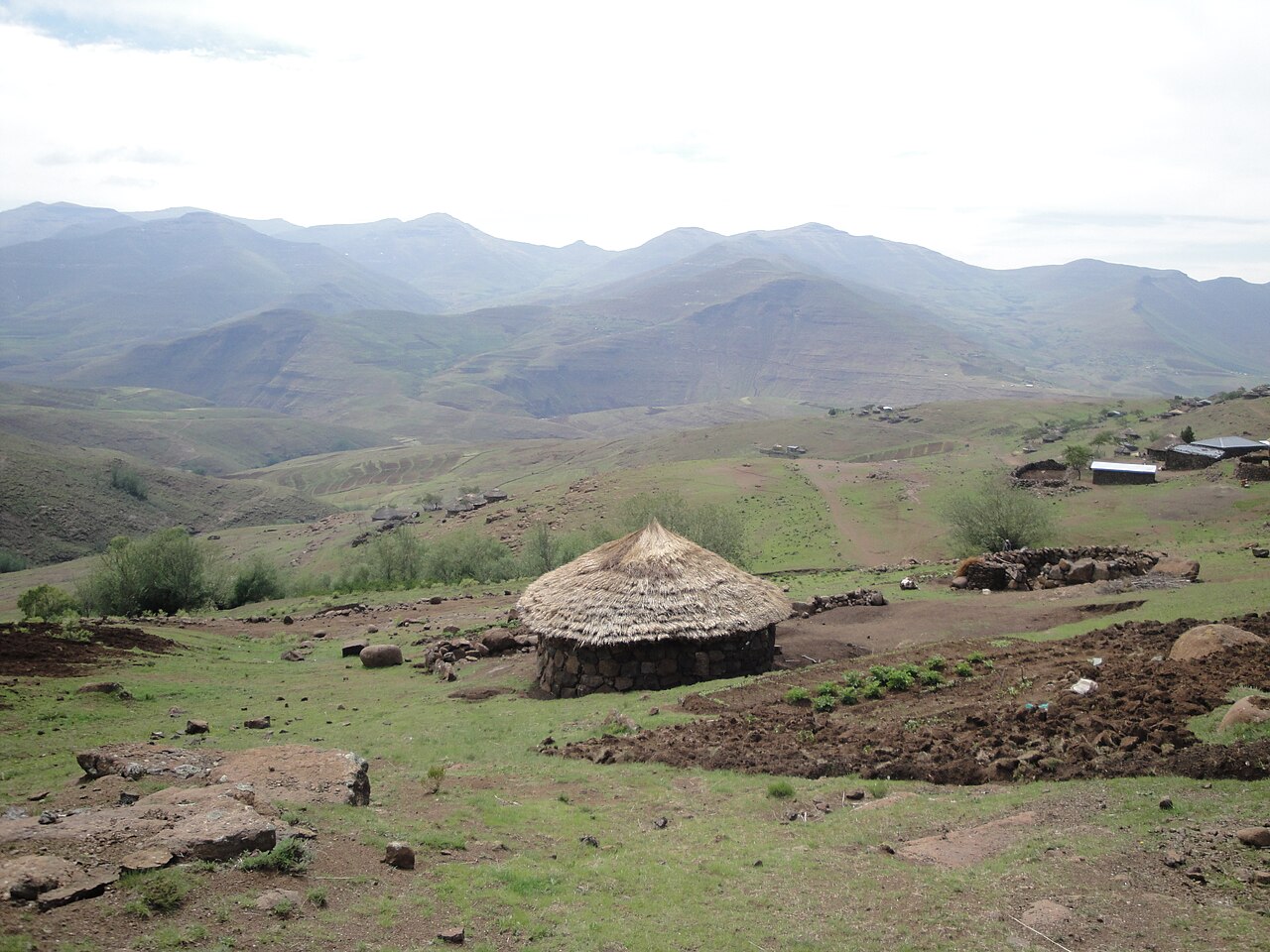
Japan has made a new contribution to the World Food Programme (WFP) to provide nutritious meals for young children in Lesotho's early childhood care and development centres, WFP announced on 26 November. Malnutrition remains a serious concern in the southern African country, where 36 percent of children under five are stunted.
The funding will let WFP buy 430 tonnes of locally sourced fortified maize meal and pulses and 81 tonnes of canned fish, improving the quality and variety of the meals. These foods will complement the fortified porridge that the Government of Lesotho already provides.
WFP and the government currently serve two meals a day to 50,000 children aged two to five in 2,400 early childhood care and development centres. More than 80 percent of the centres WFP supports report high attendance, and 94 percent say the meals contribute to better learning. School meals are an important safety net for young children, particularly in rural communities, WFP said.
“For a child, a meal is about far more than simply addressing hunger. It provides the energy to learn, the nourishment to grow, and the opportunity to fully participate in school and in the community,” said Shimizu Fumio, Japan's Ambassador to Lesotho, at a ceremony announcing the contribution.
Anna Mukiibi-Bunnya, WFP's representative and country director in Lesotho, said a nutritious meal can make a lasting difference in a young child's life, and that with Japan's support thousands of children would have a stronger start.
Since 2019 Japan has contributed USD 15.7 million to school meals and livelihood programmes run by the Government of Lesotho and WFP.
Photo: USAID Africa Bureau / Wikimedia Commons (public domain)
Source: WFP

Comments
(0)