
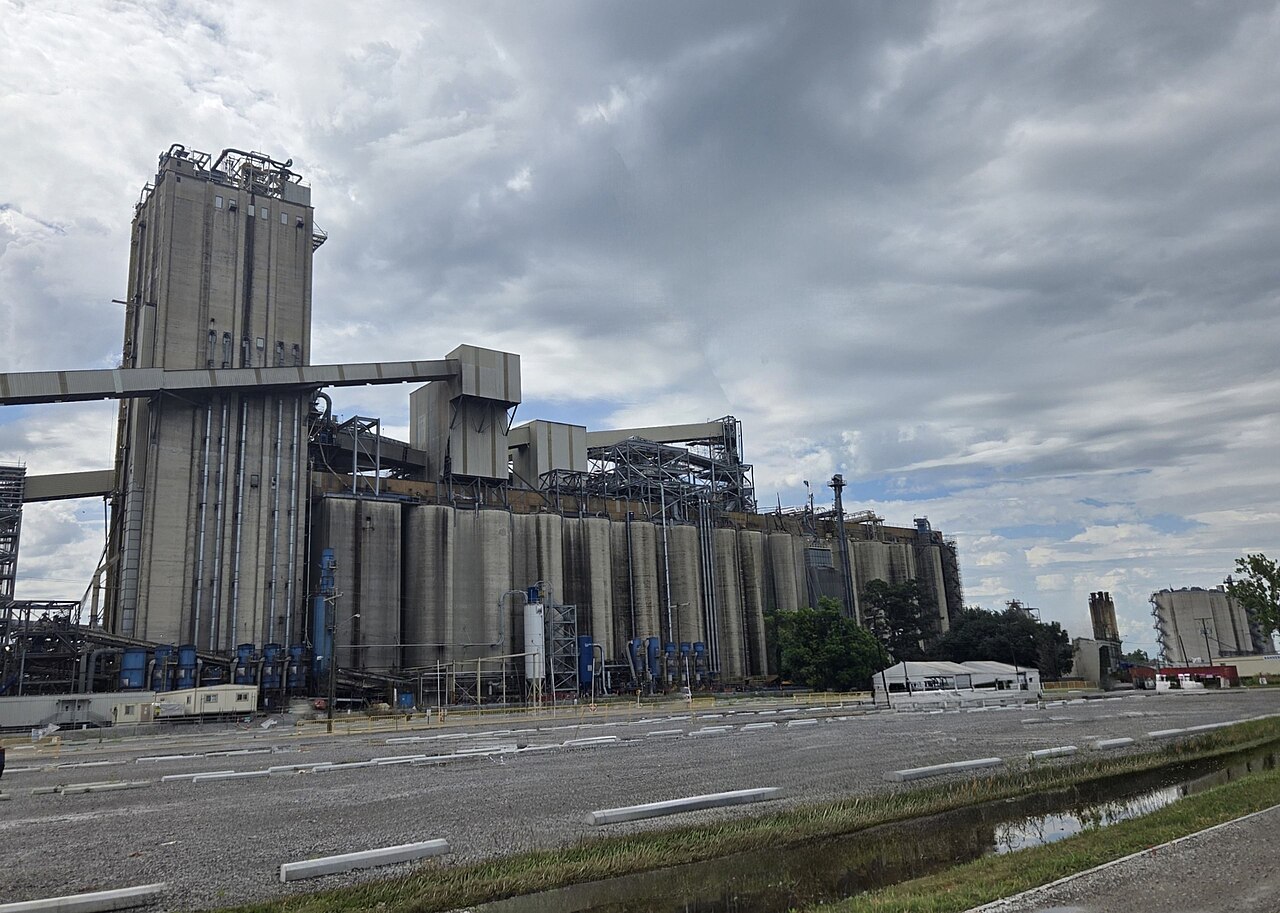
The US Trade Representative's Office (USTR) on 25 November proposed a new round of tariffs on 14 economies, several of them among the largest buyers of American farm products, DTN reported. Investigations under the Trade Act of 1974 found “structural excess capacity and production in manufacturing sectors” in China, the European Union, Singapore, Switzerland, Indonesia, Malaysia, Cambodia, Thailand, South Korea, Vietnam, Taiwan, Bangladesh, Japan and India.
The EU, Japan, China, South Korea, Vietnam, Taiwan and India are all among the top 12 destinations for US agricultural products and together took roughly a third of US farm exports in 2025, according to USDA figures cited by DTN.
USTR proposed new tariffs of 20 percent on China, 15 percent on the EU, Japan and South Korea, and up to 25 percent on India. Trade Representative Jamieson Greer said the tariffs would “level the playing field for American workers.” According to The Washington Post, as cited by DTN, foods that cannot be grown in the United States, fertilizers, critical minerals, energy, pharmaceuticals and semiconductors would be exempt. Media reports also said tariffs on Chinese goods could rise to 40 percent if China does not reach a new agreement.
Soybean futures fell overnight on the news and recovered by mid-morning, with corn up and wheat down. “For now, the soybean market seems to have bounced back from the initial drop on the news, and from here we will likely need to wait for an official response from China and/or to see if there are any cancellations of purchases,” said DTN lead analyst Rhett Montgomery, noting that China is more than two-thirds of the way to the trade truce goal of 920 million bushels.
A Chinese Foreign Ministry spokesman said tariff and trade wars serve no one's interests and that the so-called overcapacity issue should not be used as a pretext. USTR also proposed an additional tariff on out-of-quota sugar imports, with a hearing in December and further announcements in January.
For Bangladesh, which is on USTR's list, DTN's report gives no proposed rate; the determinations themselves set out the rates economy by economy.
Reporting: Chris Clayton, DTN.
Photo: Spatms / Wikimedia Commons (CC BY-SA 4.0)
Source: DTN / Progressive Farmer
Comments
(0)