
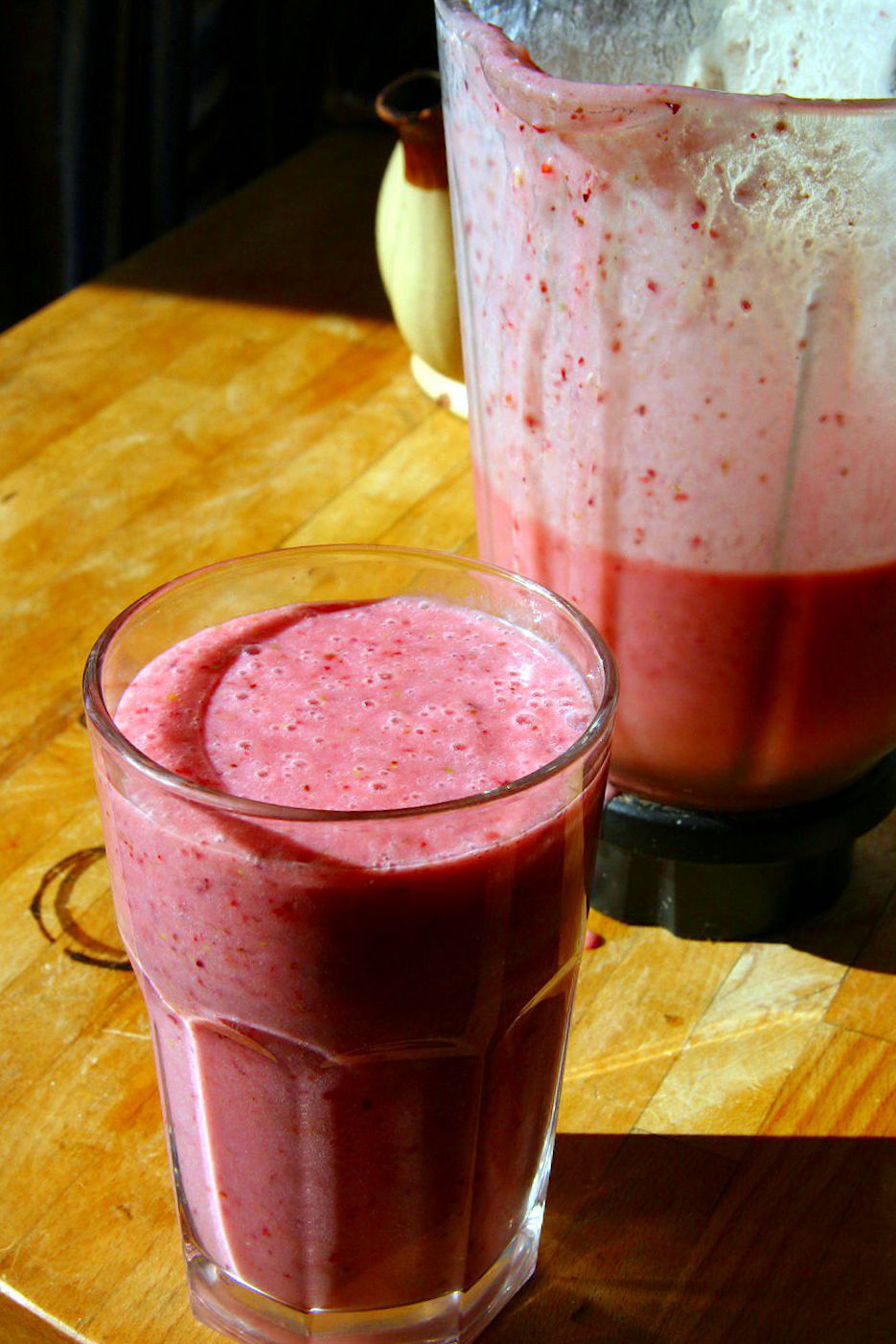
A student business that turns fruit rejected by retailers into affordable smoothies has won the 2026 Genesis Award at the University of Cape Town (UCT), Farmer's Weekly reported on 27 November. Sluk was founded by six UCT students through the Genesis Project, the action-learning programme of the university's Postgraduate Diploma in Management in Entrepreneurship, in which students set up and run real businesses for a year.
“Sluk won over the judges with the problems they are solving,” said Stuart Hendry, who convenes the project. “Tons of so-called ugly fruit is being thrown away because it's deemed unfit for human consumption, while across the road, children and teenagers are stunted from malnutrition.” According to the team, South Africa throws away about 10 million tons of food a year, around 70 percent of it fruit and vegetables, while roughly 20 percent of the population is food insecure.
Sluk buys most of its fruit from traders at the Epping Paradise Hawkers Market in Cape Town, who sell stock rejected for its size or appearance at a discount. The traders now have a regular buyer for fruit they would otherwise write off, and Sluk is working on regular deliveries straight from the market to its kitchens.
The smoothies are made in the kitchens of two early childhood development centres, in Kuils River and Blue Downs, by six women, with extra workers brought in when needed. Sluk has sold more than 1,730 smoothies since 23 May and paid more than R10,000 into the partner centres. Each weekly run produces 100 to 200 smoothies, with flavours that change with the season; mango and ginger sells best.
Setting up a production kitchen costs about R10,000, and the founders estimate that one making 100 to 200 smoothies a week can recover that within a month. “Our social impact is funded by our sales and doesn't rely on donations,” said chief executive Erin Mika Harding. Sluk sells on campus, at markets and sports clubs, and is in talks with hotels, schools and coffee shops.
Reporting: Robyn Joubert, Farmer's Weekly.
Photo: Sigurdas / Wikimedia Commons (CC BY-SA 3.0)
Source: Farmers Weekly South Africa

Comments
(0)