
Japan has revised its Plant Variety Protection and Seed Act, the Seed and Seedling Act, to give plant breeders earlier power to stop unauthorised exports of their varieties, easier ways to prove infringement and ten more years of protection, Seed World Europe reported. Parliament adopted the amendments on 17 July 2026; most take effect on 1 December 2026.
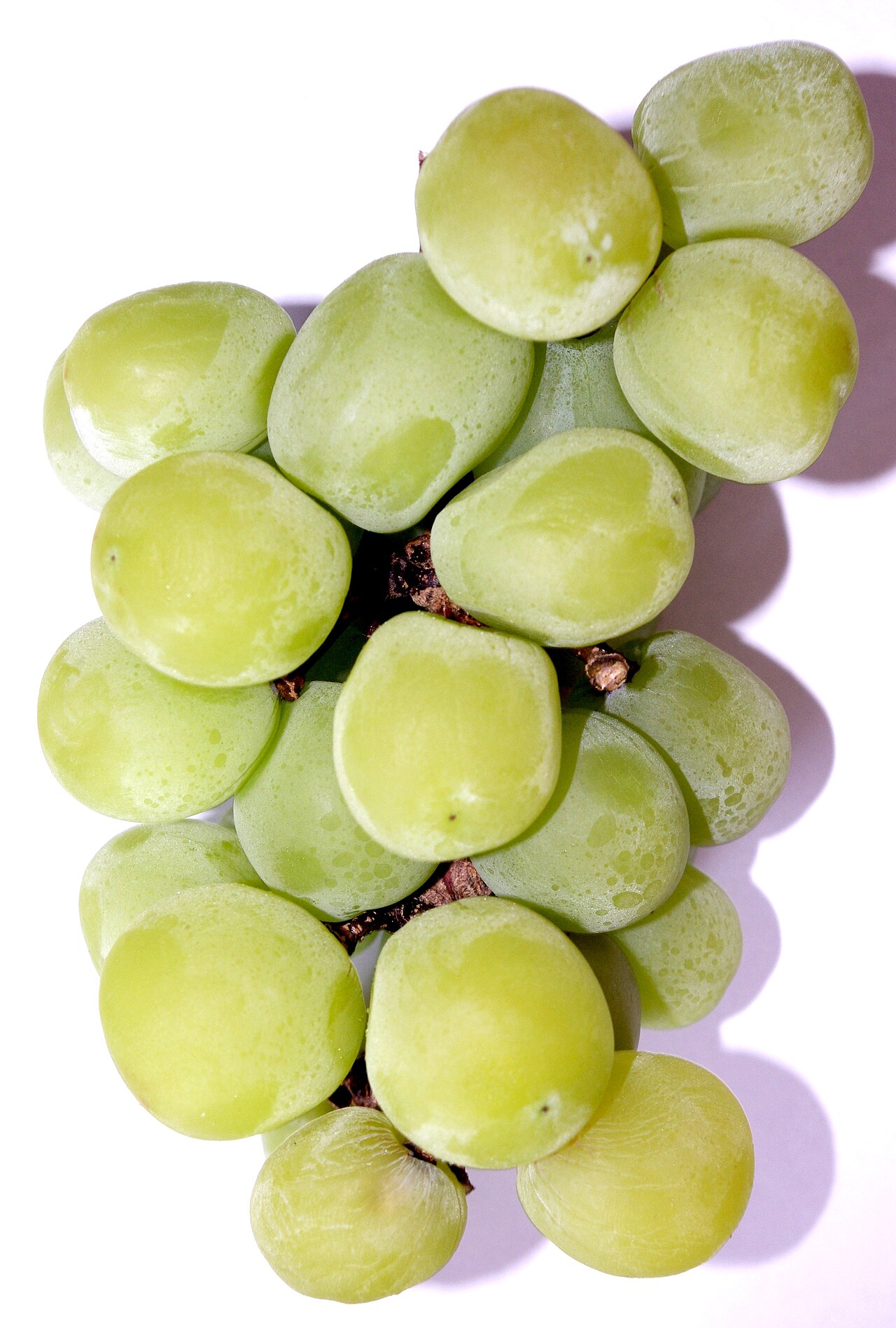
The reform answers a problem Japan knows well. Shine Muscat, the premium green table grape bred by the National Agriculture and Food Research Organization (NARO) and registered in 2006, became widely grown elsewhere in Asia, including in countries where breeders' rights had not been secured. Propagating material can cross borders while a variety still awaits registration, a period that can last several years.
Under the new law, once an application has been published, the applicant can warn a third party trying to export the variety and, if the export continues and threatens damage that is hard to remedy, ask a court to prohibit it. Courts may require the applicant to post security against the exporter's losses if the application later fails. "Once propagating material has crossed a border, it may be multiplied long before the breeder can respond effectively," said Minori Hagiwara, Director of International Affairs at the Plant Variety Protection Office of the Ministry of Agriculture, Forestry and Fisheries (MAFF).
Protection now also covers material stored for export to a restricted destination, such as seed held in an airport's bonded area or in a warehouse labelled for overseas shipment. Seed sold under a registered variety's name will be presumed to be that variety in civil proceedings, sparing breeders some costly growing trials or DNA tests, though the other side may challenge it. Damages may include a royalty-equivalent sum for infringing quantities beyond the breeder's own capacity to produce or sell.
Rights now last 35 years for most plants and 40 for perennials, up from 25 and 30. That extension took effect on 24 July 2026 for registrations still valid on that date, without reviving expired rights. Other changes include priority examination for some applications and a clarification that authorised sales abroad do not exhaust the breeder's rights in Japan.
"Developing new varieties requires sustained investment, specialist knowledge and time," Hagiwara said. Seed World Europe noted that China began applying its essentially derived variety rules to 10 crops in July 2026, and that Canada amended its breeders' rights regulations this year.
Reporting: Marcel Bruins, Seed World Europe.
Photo: Bio06940 / Wikimedia Commons (CC BY-SA 3.0)
Source: Seed World Europe


Comments
(0)