
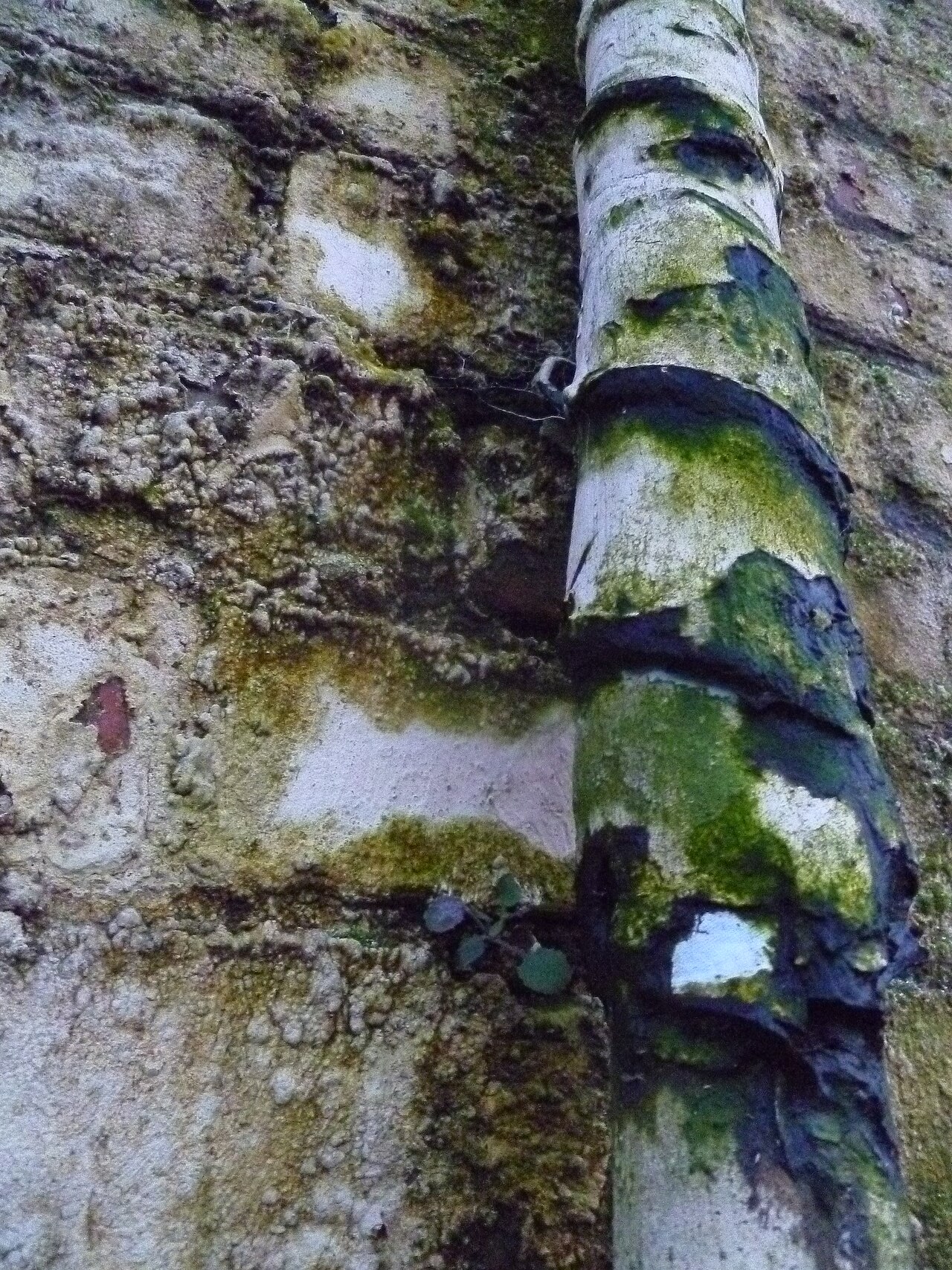
Many people scrub away the green moss that grows on damp walls, roof corners and old bricks, thinking it dirty. A piece by Bangla Tribune's lifestyle desk argues that this small plant helps keep nature in balance, holds moisture and gives tiny creatures a home.
Moss grows best in damp, shady places: on soil, stone, brick, tree trunks and walls. Most mosses have no true roots; they cling to a surface with fine structures and take water and nutrients from their surroundings, so in the right conditions they spread quickly even in small spaces.
Its main strength is holding water. Moss soaks up rain and moisture from the air and stores it, keeping forest soil moist and creating conditions in which small organisms can live. In some places it can also help reduce soil erosion.
Moss takes carbon dioxide from the air through photosynthesis. But the piece makes clear that the claim that moss absorbs four times as much carbon dioxide as ordinary plants does not hold for every species and setting; the amount depends on the species, how far it spreads, the environment and the research method. Nor does moss on house walls on its own cool a city noticeably; trees, wetlands, shade and planned green spaces do far more.
At home, caution is needed. Moss can be a sign of long-standing damp, leaks or cracks in a wall; then it should be cleaned off and the source of the moisture found. On paths, slippery moss is a hazard.
The piece's point is to see moss not merely as a sign of dirt but to understand its role in the environment, and to know where it can grow naturally and where it needs to be cleaned off.
Photo: A drainpipe on a moss-covered wall, Liz Sullivan / Wikimedia Commons (CC BY-SA 4.0)
Source: Bangla Tribune

Comments
(0)