
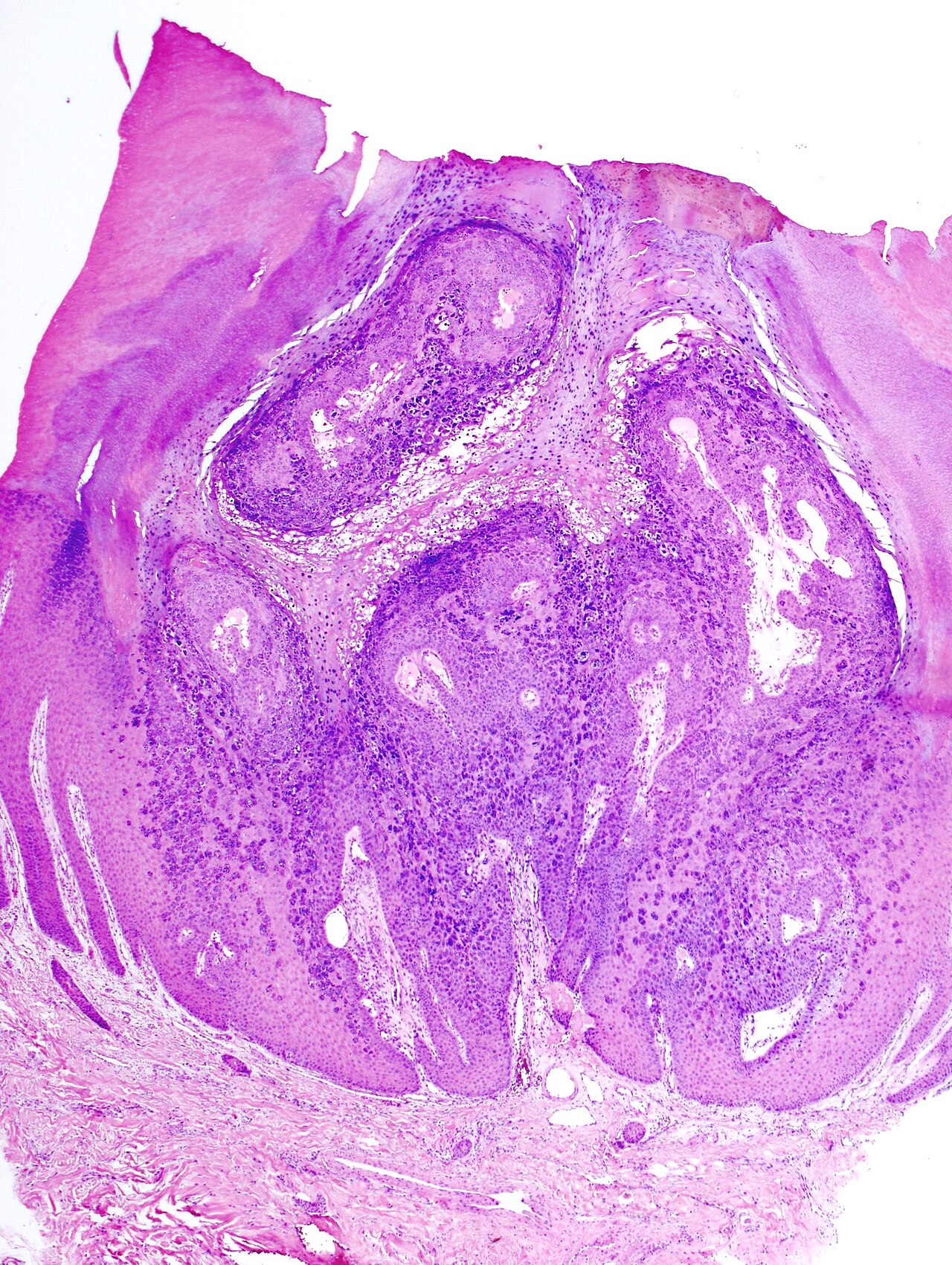
Warts, a common skin complaint known in Bengali as anchil, are caused by the human papillomavirus (HPV). Dr Piyush Pal, assistant professor of dermatology and venereology at Green Life Medical College in Dhaka, says most warts are harmless and do not turn into cancer, but they are contagious.
The virus enters through small cuts or cracks and makes cells in the top layer of skin multiply into a lump. Touching someone's wart or sharing towels and razors can pass it on, and picking, biting or rubbing your own wart can spread it to other parts of the body.
Warts differ by where they grow. Common warts appear on hands, fingers and around nails; plantar warts grow on the soles and can turn inwards and hurt under the weight of walking; flat warts are small and smooth and can appear in numbers on the face and hands; filiform warts are thin and thread-like, usually around the face. Genital warts are caused by particular types of HPV and count as a sexually transmitted infection.
Many warts clear on their own within months or years, but pain, fast spread or appearance may call for treatment. Not every lump is a wart: one that grows quickly, bleeds or changes should be seen by a doctor.
Dr Pal warns against cutting warts with a blade, tying them off with thread or applying lime, betel nut paste or harsh chemicals at home, which can cause bleeding, infection, burns and permanent scars. Not picking at warts and not sharing personal items are the simplest ways to prevent spread.
He advises seeing a dermatologist when many new warts appear, when there is pain or bleeding, or when it is unclear whether a lump is a wart at all.
The article was published on Prothom Alo's lifestyle pages; its writer is Dr Piyush Pal.
Photo: KGH / Wikimedia Commons (CC BY-SA 3.0)
Source: Prothom Alo
Comments
(0)