
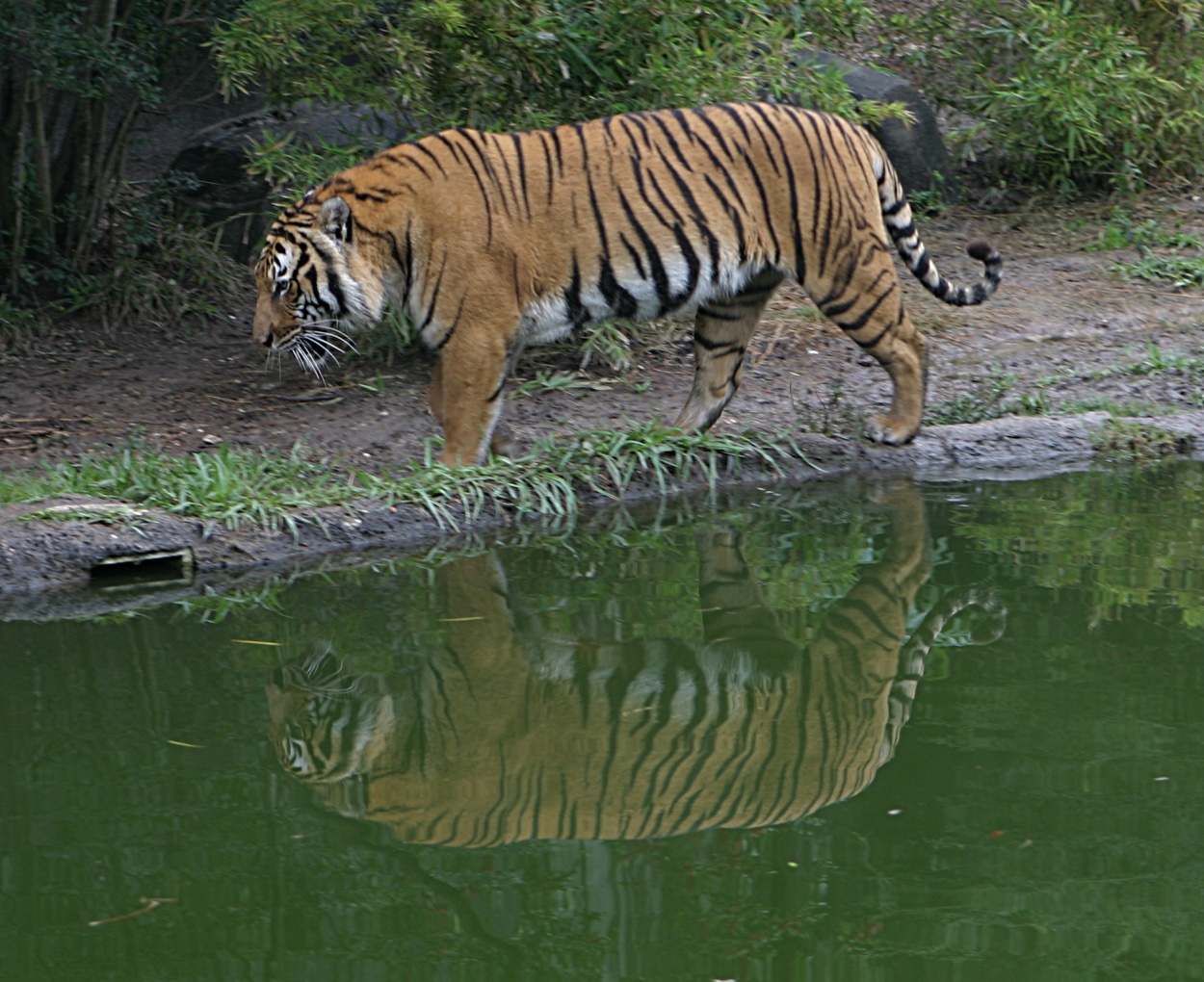
Police in Thanh Hoa province, in north-central Vietnam south of the capital Hanoi, said on 14 February 2026 that they had found the frozen bodies of two adult tigers in the basement of a house and had arrested two men earlier that week on charges of illegally trading the endangered animal. According to a police statement published online and reported by the news agency AFP, the two carcasses together weighed about 400 kilograms. The police said the house owner had bought them for two billion dong and had equipment there for making so-called tiger bone glue. Tigers once roamed Vietnam's forests, but they have almost entirely disappeared from them, and the country is known as a consumer and a transit route for illegal wildlife products.
What the Thanh Hoa police said
According to the police statement reported by AFP, the two adult tigers were found frozen in the basement of the home of Hoang Dinh Dat, aged 52. The police said that under questioning Dat admitted buying the two animals for two billion dong, which AFP put at about 77,000 US dollars, and that he named the seller as Nguyen Doan Son, aged 31. The police said both men had been arrested earlier in the week for illegal wildlife trade. They also said the buyer had equipment for producing so-called tiger bone glue, a sticky substance that some people believe heals ailments of the bones and joints.
Tuoi Tre News, the English service of the Vietnamese daily Tuoi Tre, reported the case on the same day under the byline of Vinh Tho and Ha Dong, with photographs supplied by the Thanh Hoa provincial Department of Public Security. According to that report, the police had started criminal proceedings against the two men for allegedly violating the rules on the protection of endangered, precious and rare animals under Article 244 of Vietnam's Penal Code. The police accused Dat of buying wild animals, including tigers, and processing them into bone paste for illicit profit.
The Tuoi Tre report gave further details from the police account. Investigators said they found a hidden underground bunker at Dat's home, fitted with a reinforced iron door and a camera system, in which the two frozen tiger carcasses, weighing nearly 400 kilograms in total, were kept together with equipment for making the paste. The police said Dat had arranged the purchase with Son through Zalo, a Vietnamese messaging application, and that Son had bought the carcasses from a Lao national in Ha Tinh province before reselling them to Dat for nearly two billion dong, which Tuoi Tre put at about 77,700 US dollars. The paper reported that the authorities were still tracing where the tigers had come from and investigating other parts of the trafficking operation.
All of these points are the police's account and the charges against the two men. At the time of the reports, no court had ruled on the case.

The law the two men were charged under
Article 244 of Vietnam's 2015 Penal Code covers violations of the rules on the management and protection of endangered, precious and rare animals. As Vietnam Law Magazine, a publication of the Ministry of Justice, described it in August 2020, the article punishes illegally hunting, catching, killing, transporting and trading such animals, their body parts and the products made from them. According to that description, the principal fine under the first clause ranges from 500 million to 2 billion dong, the prison terms set in the first two clauses run from one to five years and from five to ten years, and courts may add a further fine of 50 million to 200 million dong.
The magazine explained that the article sets out aggravating circumstances by the number of animals involved. Among them, a case involving three to five individual bears or tigers falls under the heavier second clause, as does a case of one or two elephants or rhinos. The third clause adds further aggravating circumstances, including gaining illegal profits, trading or transporting across the border, and dangerous recidivism. Vietnam Television (VTV) reported in April 2025 that the 2015 Penal Code, as amended in 2017, provides for up to 15 years in prison for offences against endangered and rare species.
Under Vietnam's administrative rules, commercial trade in tigers has long been banned. A TRAFFIC report published in 2018 noted that both the domestic and the international trade in tigers for commercial purposes were prohibited in Vietnam, citing Decree 160/2013/ND-CP and Decree 82/2006/ND-CP. VTV reported in 2025 that Decree 84/2021/ND-CP lists 105 animal species in Group IB, the group of species threatened with extinction whose exploitation and commercial use are banned.
In July 2020 Prime Minister Nguyen Xuan Phuc issued Directive 29/CT-TTg on urgent measures to tighten wildlife management. As the newspaper Dan Tri reported on 24 July 2020, it suspended imports of wildlife, dead or alive, with their eggs, larvae, parts and derivatives until further notice, with exceptions for some aquatic animals used for food and feed and for parts already processed into medicine. It told localities to abolish wildlife markets and to deal strictly with illegal poaching, trading, transport, slaughter, consumption, storage and advertising of wildlife, and it barred officials, state employees and their families from taking part in such activities.
What tiger bone glue is
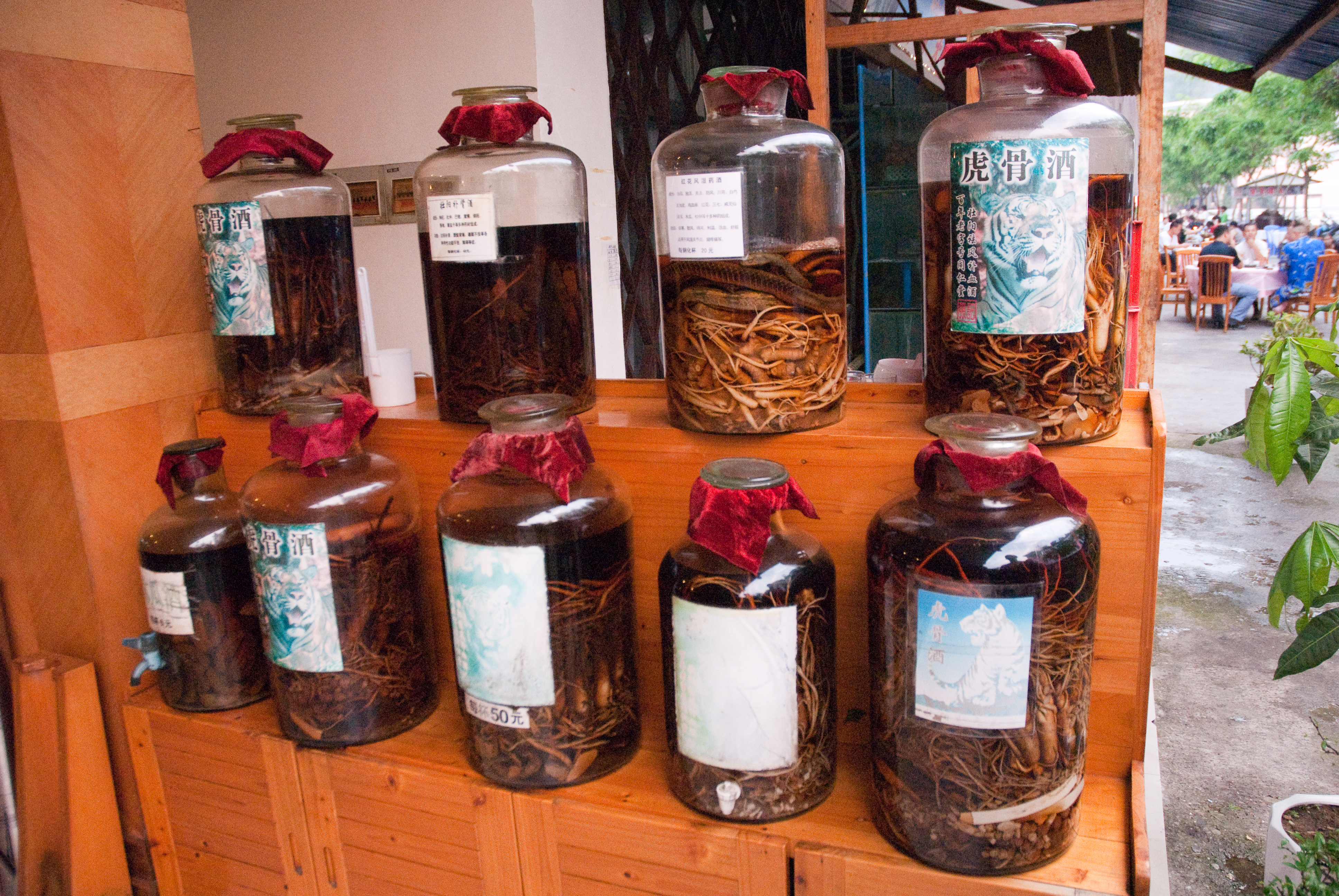
The product the police said they found equipment for is known in Vietnamese as cao hổ or cao hổ cốt, which TRAFFIC translates as tiger bone glue. A study by researchers at the University of Copenhagen, published in the Journal of Nature Conservation and described by the university in December 2021, explained how it is made: tiger skeletons are dissolved in a high-pressure cooker for two to three days to produce a brown, sap-like substance. According to the study, other ingredients such as antelope bones, turtle shells, deer antler velvet and herbs, and in some cases opium, are also added.
The lead researcher, Dang Vu Hoai Nam, a PhD fellow in the university's department of food and resource economics, surveyed 228 buyers and users of tiger bone glue in Vietnam. The study found that buyers were typically affluent and often older people, earning about 15 times the average Vietnamese income, and that they usually mixed the glue into wine or vodka and took it daily. Asked why they used it, 40 percent named musculoskeletal ailments, 32 percent general health, 6 percent the prevention of disease and 5 percent sexual performance. Buyers paid upwards of 15,000 US dollars per kilogram.
The researchers reported that most buyers preferred glue made from wild tigers, believing the bones of wild animals to be more potent, and wanted the highest possible tiger bone content. They found that many glue producers were small operators working in Vietnamese basements, who bought cubs from tiger farms and slaughtered them once they were large enough, while some raw material came from poached wild tigers. A third of the respondents said they would still buy poached wild tigers even if tiger farming were made legal, which led the authors to argue that legalising farming would not end poaching. They recommended more investment in tiger habitats, stronger police and ranger forces, and information campaigns aimed at consumers.
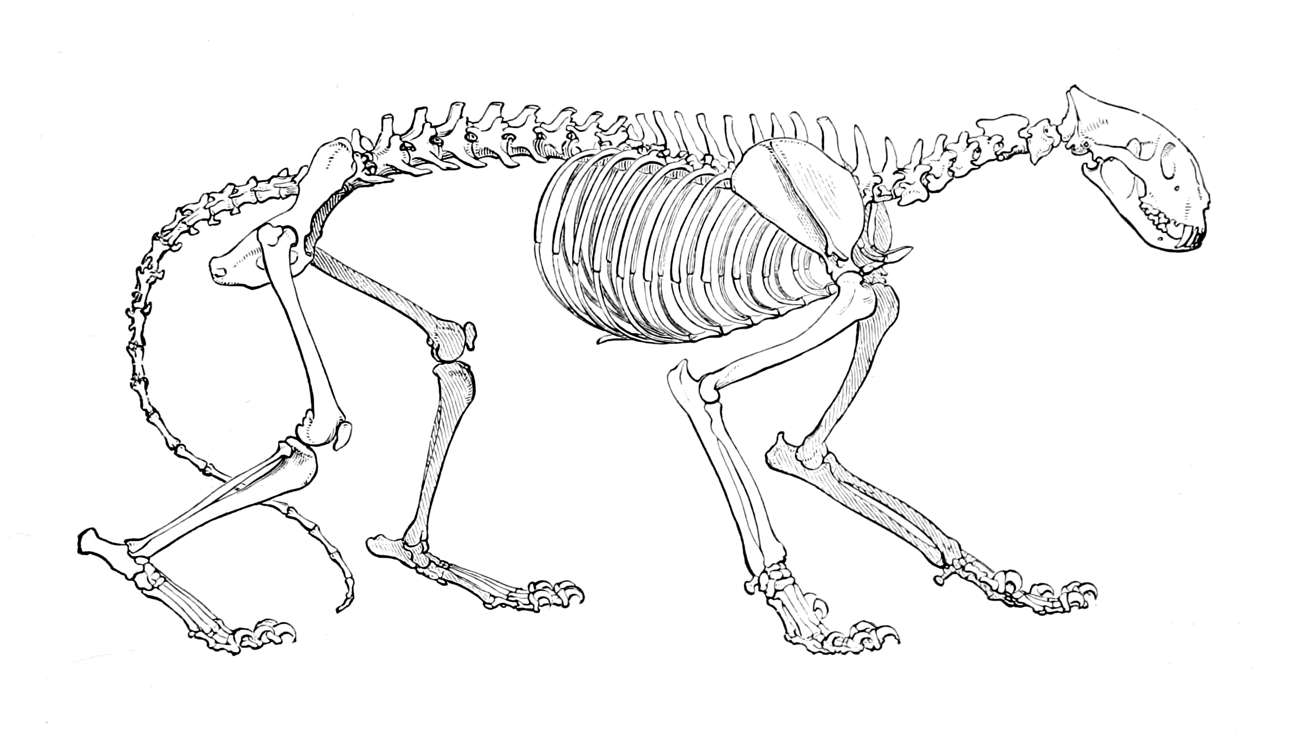
Tigers in Vietnam's forests
Wild tigers were already very scarce in Vietnam by the time of the Thanh Hoa case. In June 2010 TRAFFIC, the wildlife trade monitoring network, said that as few as 30 wild tigers were estimated to survive in the country. TRAFFIC's 2018 rapid assessment of the tiger trade in Vietnam, written by Rosa A. Indenbaum, reported that by 2016 the wild population had fallen to fewer than five individuals, citing WWF, leaving the species effectively extinct in Vietnam.
At the same time the number of tigers in captivity in Vietnam was rising. The same assessment said captive tigers in the country increased from 180 in May 2016 to 253 in September 2016, and that the number of registered tiger farms rose from five in 2007 to 13 in 2017. TRAFFIC noted that it had monitored the tiger trade in Vietnam since the early 1990s and that tiger seizures had been reported there since 2004.
The tigers native to Vietnam and its neighbours belong to the mainland Southeast Asian population known as the Indochinese tiger. Tigers are the largest land mammals whose diet is entirely meat, according to the Smithsonian's National Zoo, which says the largest males, of the Amur population, can weigh up to 300 kilograms. The zoo notes that tigers now occupy about 7 percent of their historic range, which once covered much of eastern, southern, central and western Asia, and that no two tigers share the same pattern of stripes. In the wild they usually live 10 to 15 years, and about half of wild cubs die before the age of two.
The tiger's global status
The tiger is listed as Endangered on the IUCN Red List of Threatened Species. In July 2022 the IUCN published a new assessment estimating that between 3,726 and 5,578 tigers lived in the wild. The Wildlife Conservation Society said in a statement on 22 July 2022 that the estimate was 40 percent higher than the previous assessment of 2015, and that the increase was largely due to improved monitoring rather than only to population growth. The species' Endangered status did not change.
Internationally, all tigers are listed in Appendix I of the Convention on International Trade in Endangered Species of Wild Fauna and Flora (CITES), which bars international commercial trade in the species, as the Smithsonian's National Zoo notes. CITES treats the tiger and other Asian big cats under Resolution Conf. 12.5, which asks member countries to stop illegal trade in their parts and derivatives, and under Decision 14.69, which states that tigers should not be bred for trade in their parts and derivatives.
Tiger farms and the CITES review
The scale of tiger keeping in captivity has been a recurring concern at CITES. A document prepared by the CITES Secretariat for the 75th meeting of the convention's Standing Committee, held in Panama City in November 2022, repeated a review funded by the European Union which found 1,038 facilities keeping tigers in 68 member countries, holding 12,574 animals in total. The Secretariat considered a facility of concern either if it bred tigers intensively on a commercial scale or if it might be failing to stop tiger parts and derivatives entering illegal trade.
By that measure, the Secretariat's first list counted five facilities of concern in Vietnam and six in Laos. After it updated the list with further information, the revised totals were eight facilities in Vietnam and 10 in Laos, among 83 in seven countries, the others being in China, the Czech Republic, South Africa, Thailand and the United States. The Secretariat said it had asked these countries in August 2022 to complete a questionnaire, that Vietnam had requested more time to do so, and that it intended to send missions to Laos, Thailand and Vietnam in the first half of January 2023, using funds from the United Kingdom.
The Environmental Investigation Agency (EIA), a campaign group based in London, identified in 2017 more than 200 tiger farms in China, Laos, Thailand and Vietnam, which together held an estimated 7,000 to 8,000 tigers, more than twice the number then left in the wild, according to the University of Copenhagen's account of its study.
The trafficking route through Laos
The police account that the Thanh Hoa tigers were bought from a Lao national in Ha Tinh province, which borders Laos, fits a pattern that TRAFFIC has documented for years. In its report Skin and Bones Unresolved, published in August 2019 and written by Ramacandra Wong and Kanitha Krishnasamy, TRAFFIC analysed tiger seizures between 2000 and 2018. It counted 1,142 seizure incidents in 32 countries and territories, involving 2,359 tigers, an average of more than 120 tigers a year, with around 95 percent of the seizures in tiger range countries.
For Vietnam, the report found that 30 percent of the tigers seized were identified as coming from captive breeding facilities. Of 231 incidents for which route information was available, almost 90 percent of the routes reported for Vietnam pointed to a supply of tigers from Laos. Because Laos has no viable wild tiger population, TRAFFIC said, those tigers most likely came from captive animals. The report also noted that seven frozen tiger carcasses had been seized in Hanoi in July 2019, just before World Tiger Day on 29 July.
TRAFFIC's 2018 assessment counted 61 seizures involving tigers in Vietnam between 2004 and 2015, and seven more in 2016. In 2017, according to its review of news reports, Vietnamese seizures included 12 dead tigers, two live tigers and 47 kilograms of raw tiger bone. In an online survey over 25 days in March and April 2017, researchers recorded 187 advertisements on 18 Vietnamese-language platforms offering 1,095 tiger items, mostly claws, teeth and pieces of skin, as well as 8 kilograms of tiger bone glue. The researchers noted that they could not tell whether the products offered online were genuine.
Earlier tigers found frozen in Vietnamese homes
The Thanh Hoa case followed a series of seizures of frozen tigers in homes in north-central Vietnam. TRAFFIC reported in June 2010 that the environmental police had seized two frozen tiger carcasses weighing 130 kilograms in Hanoi in October 2009 and arrested five suspects, and that in late June 2010 the environmental police in Nghe An province seized two frozen tigers, a frozen panther and a reported five kilograms of suspected tiger bones from a man's home in Dien Chau district.
In March 2017 Tuoi Tre News reported that anti-smuggling officers of the Ministry of Public Security, working with local police, had found five Indochinese tiger carcasses in a freezer at a home in Dien Chau district of Nghe An province during a raid that followed an investigation into an illegal wildlife-selling ring. Each animal had been cut open and its organs removed, and officials estimated that each had weighed 100 to 150 kilograms when alive.
Ha Tinh province, where the Thanh Hoa police said the seller bought the carcasses, has seen similar cases. Dan Tri's English service reported on 27 August 2024 that seven frozen tiger cubs, each weighing 5 to 10 kilograms, had been found in December 2023 in a freezer at a house in Huong Son district of Ha Tinh, together with six frozen pangolins and the head of a serow. According to that report, the man told the police he had bought the animals from a Lao woman at a market in Bolikhamxay province of Laos and froze them to make medicinal alcohol for sale. The authorities destroyed the seven cubs on 26 August 2024.
Photo: Cburnett / Wikimedia Commons (CC BY-SA 3.0)
Sources: Jagonews24, AFP (via The Peninsula, Qatar), Tuoi Tre News, Vietnam Law Magazine, Vietnam Television (VTV), Dan Tri, TRAFFIC, CITES Secretariat, University of Copenhagen (via Futurity), Wildlife Conservation Society, Smithsonian's National Zoo


Comments
(0)