
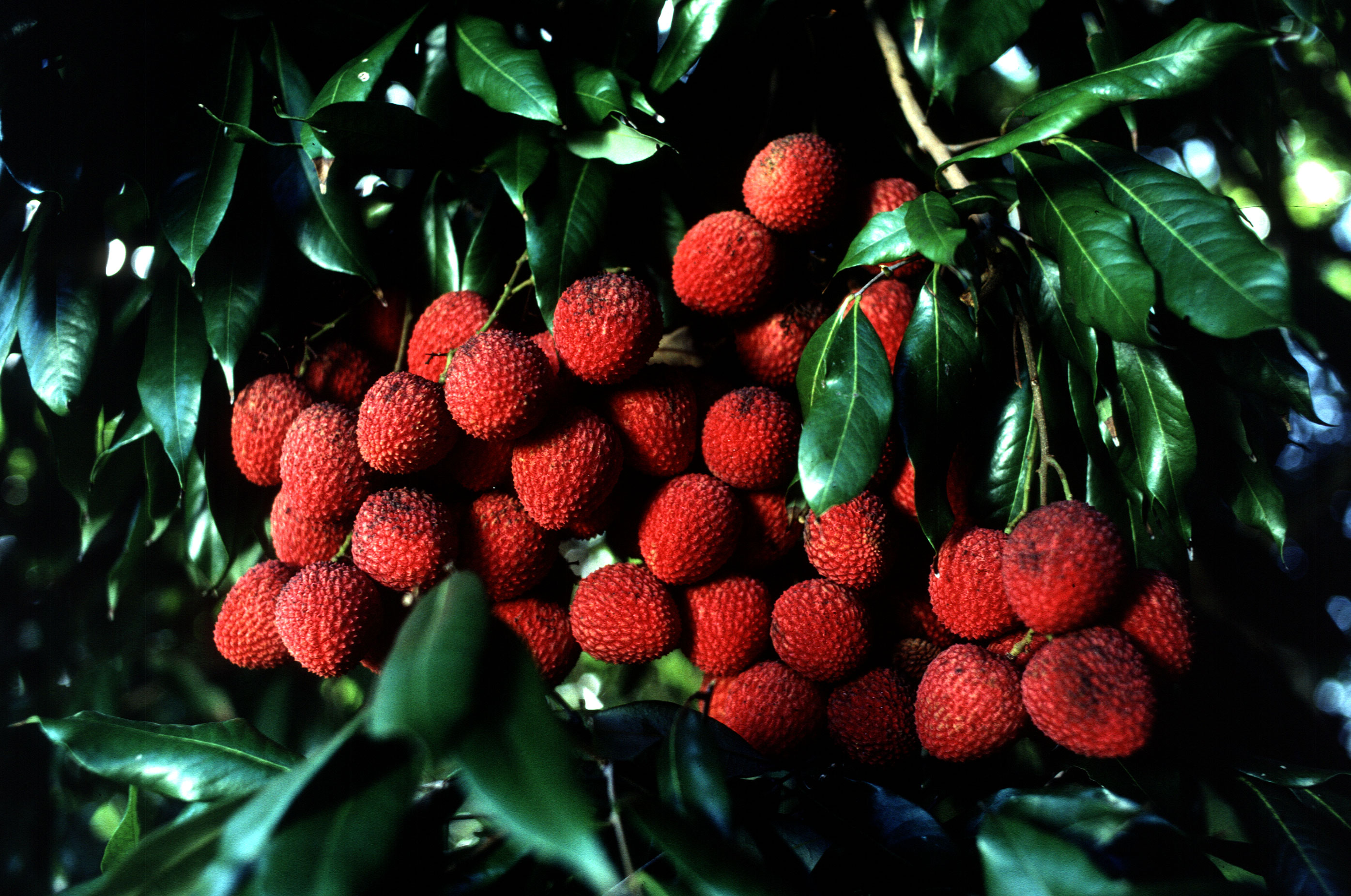
From the start of the 2026 lychee season to 14 June, Vietnam exported more than 16,000 tonnes of fresh lychee, worth nearly US$11 million, to China through Kim Thanh Road International Border Gate II in the northern province of Lao Cai. According to the Lao Cai International Border Gate Customs Team under Regional Customs Sub-Department VII, nearly 1,500 trucks carrying the fruit were cleared through the gate in that period. Viet Nam News published the figures on 16 June.
Truck numbers rising at the peak of the harvest
A representative of the Lao Cai Economic Zone Authority said lychees from Bac Ninh province entered their peak harvest on 10 June. The number of vehicles carrying the fruit through Kim Thanh was therefore expected to rise to between 70 and 100 trucks a day.
Bac Ninh is a major lychee-growing area. In 2025, as part of nationwide administrative reforms, neighbouring Bac Giang province was merged into Bac Ninh; Luc Ngan, the district best known for its lychees, was formerly part of Bac Giang. Viet Nam News reported on 29 April 2026 that the province had 29,800 hectares of lychee that year, with output estimated at about 95,068 tonnes, and that the harvest was expected to fall sharply from the previous year because of unfavourable weather. Of that area, 17,500 hectares met VietGAP standards and 255 hectares GlobalGAP.
On 26 May 2026 the same paper reported that Bac Ninh had 241 lychee growing-area codes approved for export, 127 of them for China, with the rest for Japan, Australia, Thailand and the United States, and 42 export-standard packing facilities.
How the border handled the lychee trucks
Officials said border guards direct every truck of fresh lychee arriving at the gate to a dedicated parking area with room for about 100 vehicles, supervised by staff on round-the-clock duty. Once the customs paperwork is complete, the trucks move straight to the supervision area for export clearance.
Customs procedures and document requirements were published in advance so that exporters could prepare their papers and avoid delays. The Lao Cai Economic Zone Authority held coordination meetings in early May on traffic management and staff deployment, which allowed customs work to begin 45 to 60 minutes before the gate officially opened.
Fresh farm produce was given priority throughout the season, with fresh lychees cleared first in the morning hours to keep the fruit in good condition in transit.
The fruit and the Lao Cai border
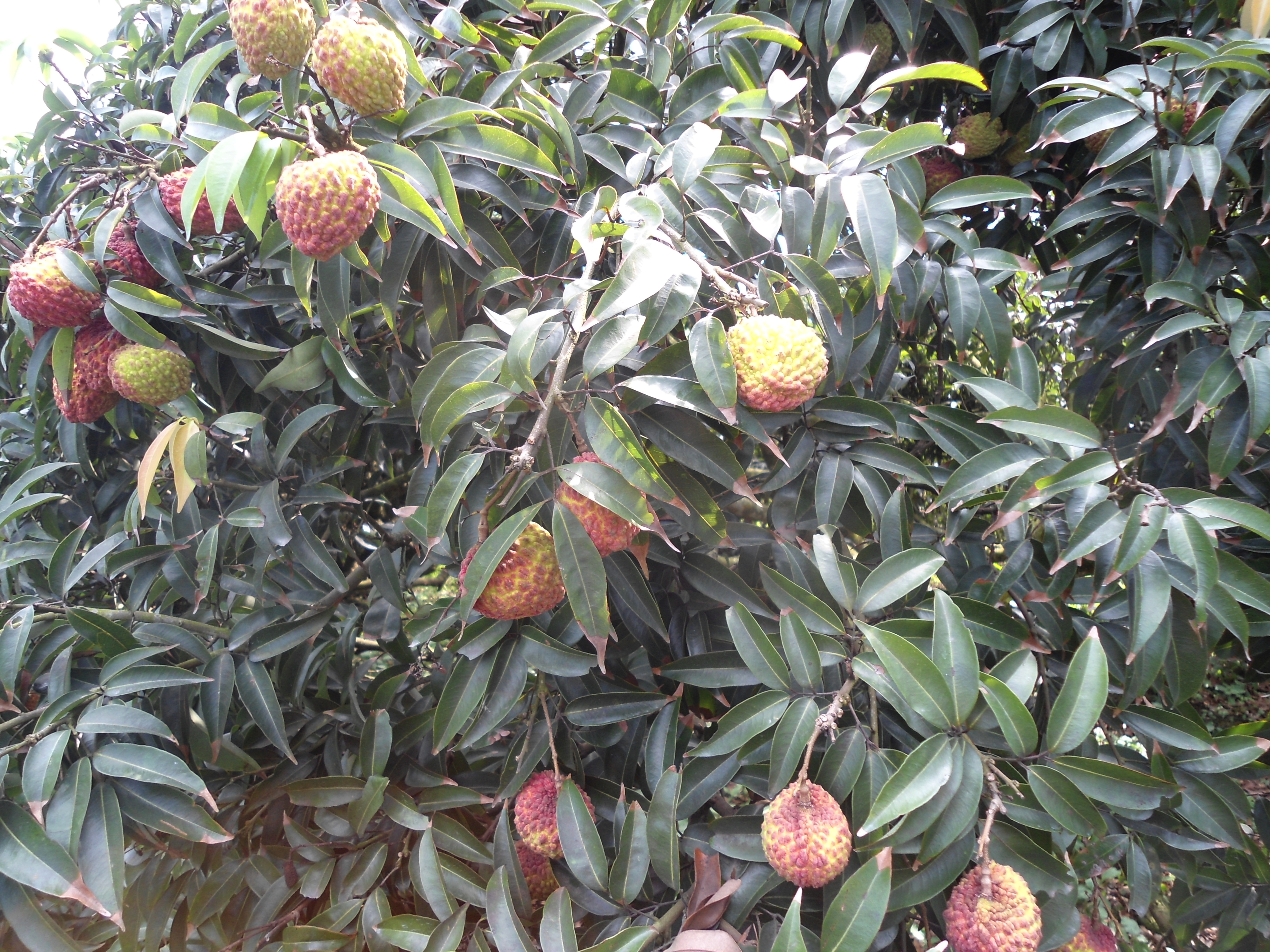
The lychee (Litchi chinensis) belongs to the soapberry family, Sapindaceae, and is native to southern China, Malaysia and northern Vietnam. Its thin skin ripens to red or pink-red around translucent white, sweet flesh. Left out after harvest, the skin turns brown and dry, so the fruit is usually eaten fresh. China is the world's largest producer, followed by India and Vietnam.
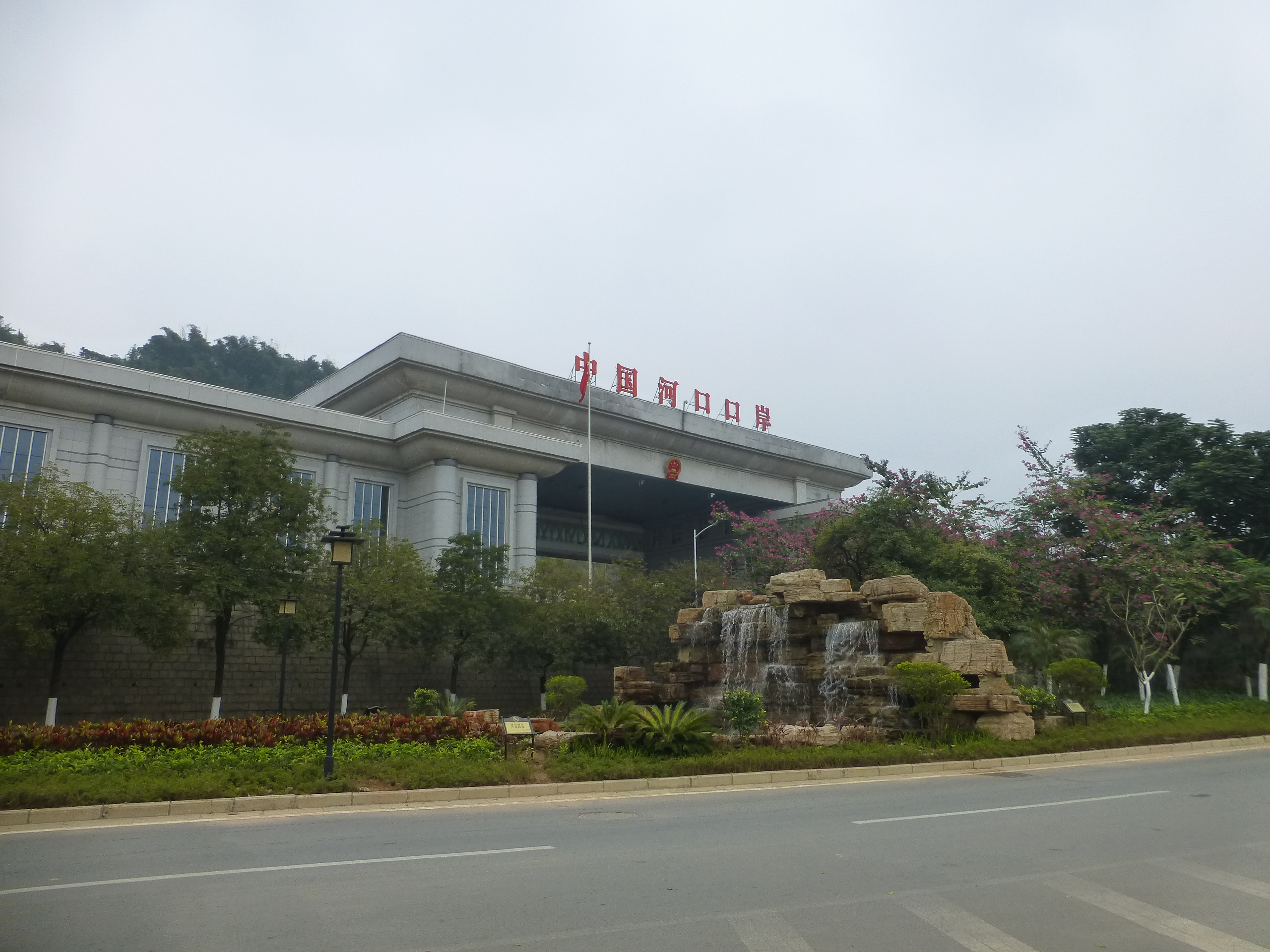
Lao Cai province lies in Vietnam's northern mountains on the border with China's Yunnan province. The city of Lao Cai is a trading post opposite the town of Hekou in Yunnan, and the Red River runs through the province towards Hanoi.
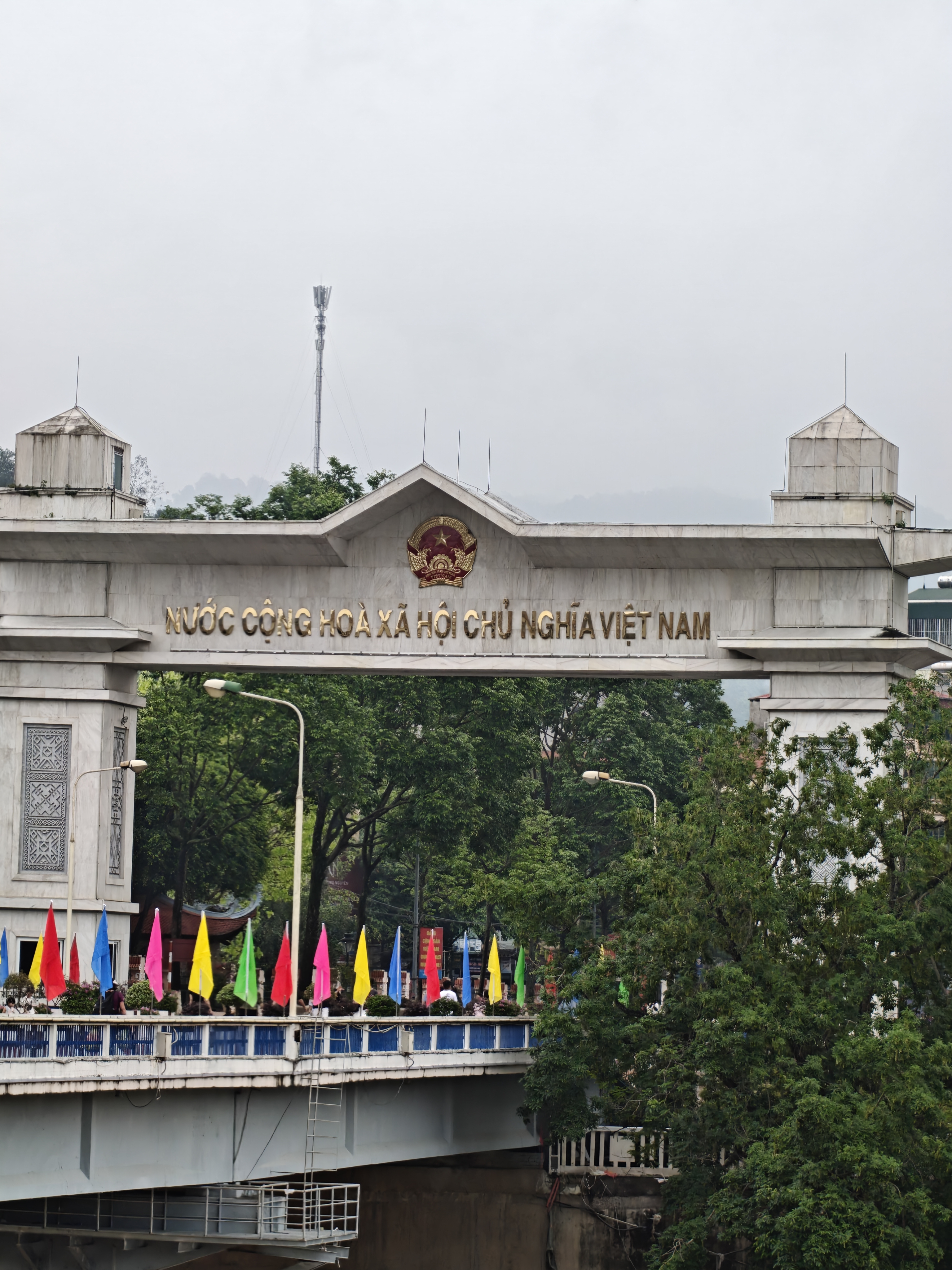
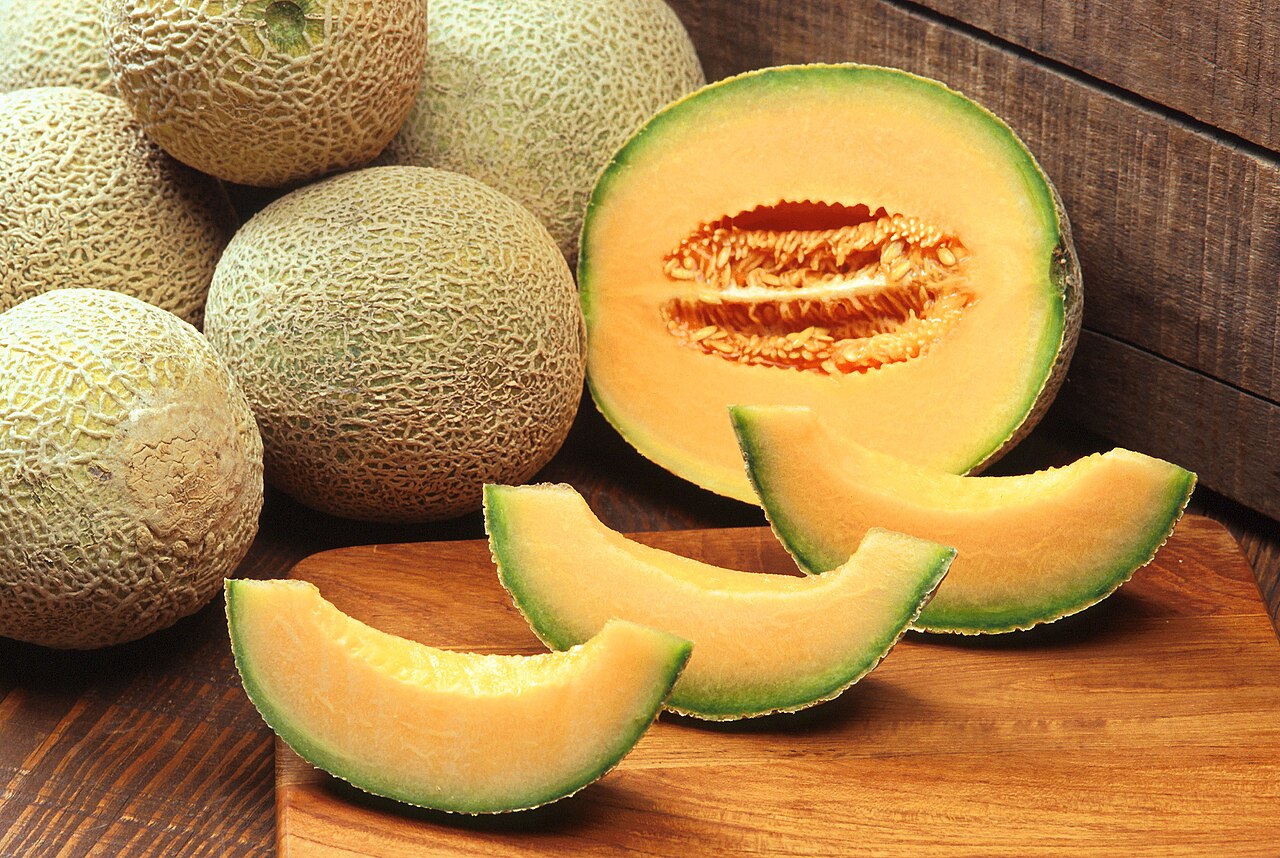
Photo: Barry Fitzgerald, USDA / Wikimedia Commons (public domain)
Sources: Jagonews24 (citing VnExpress), Viet Nam News, FreshPlaza, Wikipedia
Comments
(0)