
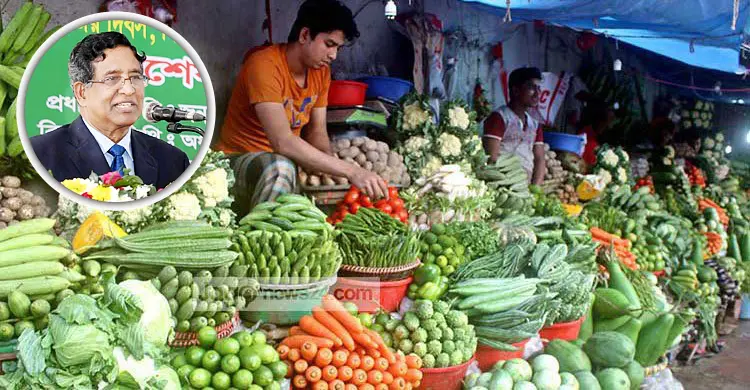
Agriculture Minister Md Abdur Razzaque has asked why vegetable prices are so high in the peak winter season despite adequate production.
"Why are vegetables so expensive at this time? Why is a bottle gourd or a cauliflower so expensive? Production has not been low, and it is not as if the weather was bad. Of course, early on, rain damaged vegetables after planting, and that has to be taken into account too," he said.
The minister was answering reporters' questions at the Secretariat on Thursday (10 February) after a meeting with Arnod Hamlars, country director of the International Fund for Agricultural Development (IFAD).
Global inflation and costs
When his attention was drawn to high prices of rice, vegetables and other food despite adequate production and stocks, he said: "Our responsibility is to raise production. I do not think cauliflower production has been low. There has been some inflation around the world because of the coronavirus. Container freight has risen from what it was before, and truck fares have gone up here too. Overall there has been a huge effect on the economy."
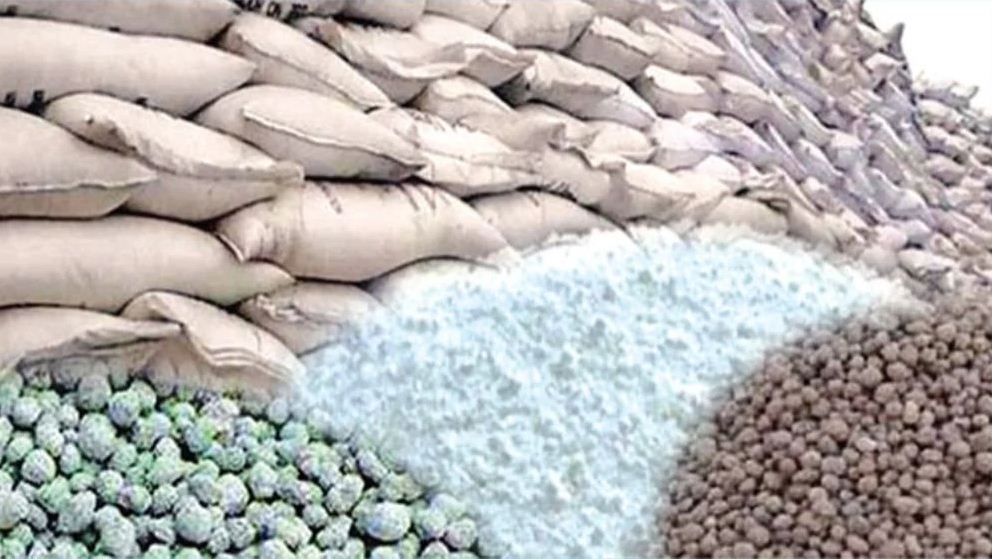
He said: "We are giving subsidies on fertiliser. But how much? What used to be Tk 9,000 crore will now have to be Tk 28,000 crore. Wheat never cost more than 250 dollars a tonne; it is now 450 dollars. Overall, if shipping costs and other prices do not come down, it will be hard to control farm produce prices. This year, though, onion prices are normal and potatoes are quite cheap. But vegetable prices... inflation has an effect on people. That is why rising prices of everything have also affected farm produce. Farmers are happy, though, selling at higher prices."
Asked whether the government had failed to control food prices, Abdur Razzaque said: "Why would the government fail? There are 20 lakh tonnes of food in stock. There were never 20 lakh tonnes of rice in government warehouses before. Sadly, prices are high all over the world, and that is having an effect in the country too."
Coarse and fine rice
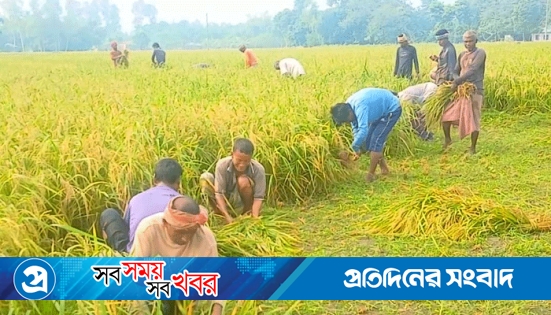
On talk of syndicates, the minister said: "Syndicates form only when supply is short. Yesterday I spoke to the food controllers in Naogaon and Kushtia. They say coarse rice prices have not risen, but there is a shortage of fine rice. What do we do now? We are taking up programmes to expand hybrid varieties. We cannot become dependent on other countries for rice. Fine rice production is low. I have to produce enough to keep us self-sufficient in food."
On whether rice could be imported to stabilise the market, he said: "Importing some rice would certainly bring control. But the prime minister is not allowing it. Importing might bring prices down somewhat. But she says: I am giving rice at Tk 10 to the extremely poor, and through VGF and OMS. Poor people have no problem. The rich who want to eat rice can pay for it. My farmers also have to get a price. It is fine rice that is expensive; coarse rice prices are falling. Our aim is that poor people should not suffer."
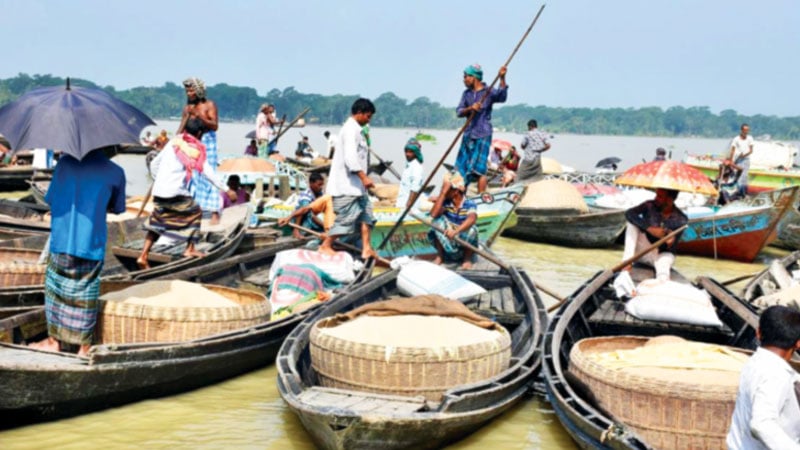
Earlier, the minister said: "Rice prices are rising. I would say, though, that coarse rice prices are not rising; they have fallen by a taka or two in the past few days. Fine rice prices are rising. People have a strong preference for fine rice; everyone wants to eat it now. People sell coarse rice as cattle and animal feed. That is a problem."
IFAD cooperation
On the meeting with the IFAD country director, the minister said IFAD is a very good development partner that lends for agricultural development on very easy terms at low interest. A project on crop production in the coastal region is under way, and cooperation there needs to be increased.
The minister said the IFAD country director also indicated support for improving irrigation in Bangladesh, crop production in saline coastal areas, and value addition and exports of farm produce.
Source: Jagonews24. First published in Bengali on The Agro News.
Comments
(0)