
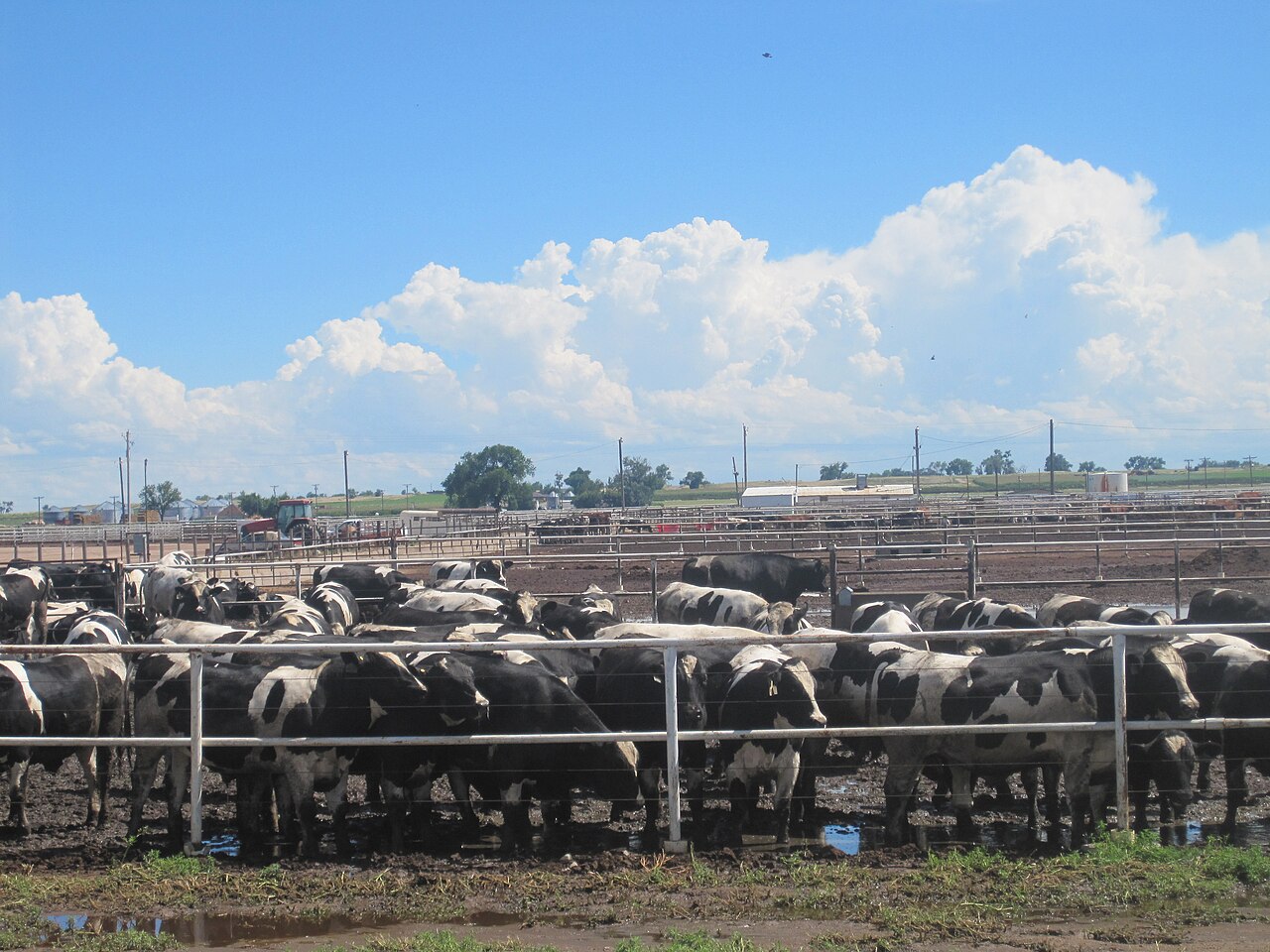
The United States is reopening its biggest livestock inspection port on the Mexican border, at Santa Teresa, New Mexico, after blocking imports from Mexico last year to keep out New World screwworm, The Cattle Site reports, citing Reuters.
The pest, which can devastate cattle if untreated, was found in a calf in Texas in June, but infestations have been fairly contained and USDA says it can safely widen trade with Mexico, where cases keep rising. The two active US cases include a horse in New Mexico about 160 miles from Santa Teresa.
Santa Teresa inspected about 43% of cattle imports over the past five years. Under treatment protocols, 750 to 1,600 head a day are expected, down from a peak of around 3,000, said New Mexico Agriculture Secretary Jeff Witte. A month ago USDA reopened a smaller port at Douglas, Arizona, where about 6,500 cattle have crossed.
The import ban helped push US ground beef to a record near $7 a pound last month. But imported feeder cattle take five to eight months to reach slaughter weight, and the US herd was 86.2 million head in January, a 75-year low after years of drought. "There's not going to be a change in beef supply from those cattle crossing the border anytime soon," said Jeff Stolle of Nebraska Cattlemen.
Officials cite port protocols, the low number of US cases and USDA's release of sterile flies against wild screwworm. USDA has confirmed no wildlife infestations or trapped wild flies, which a Texas veterinarian called a good sign. USDA will next consider reopening a port at Columbus, New Mexico. The report is by Melanie Epp.
Photo: Billy Hathorn / Wikimedia Commons (CC BY-SA 3.0)
Source: The Cattle Site
Comments
(0)