
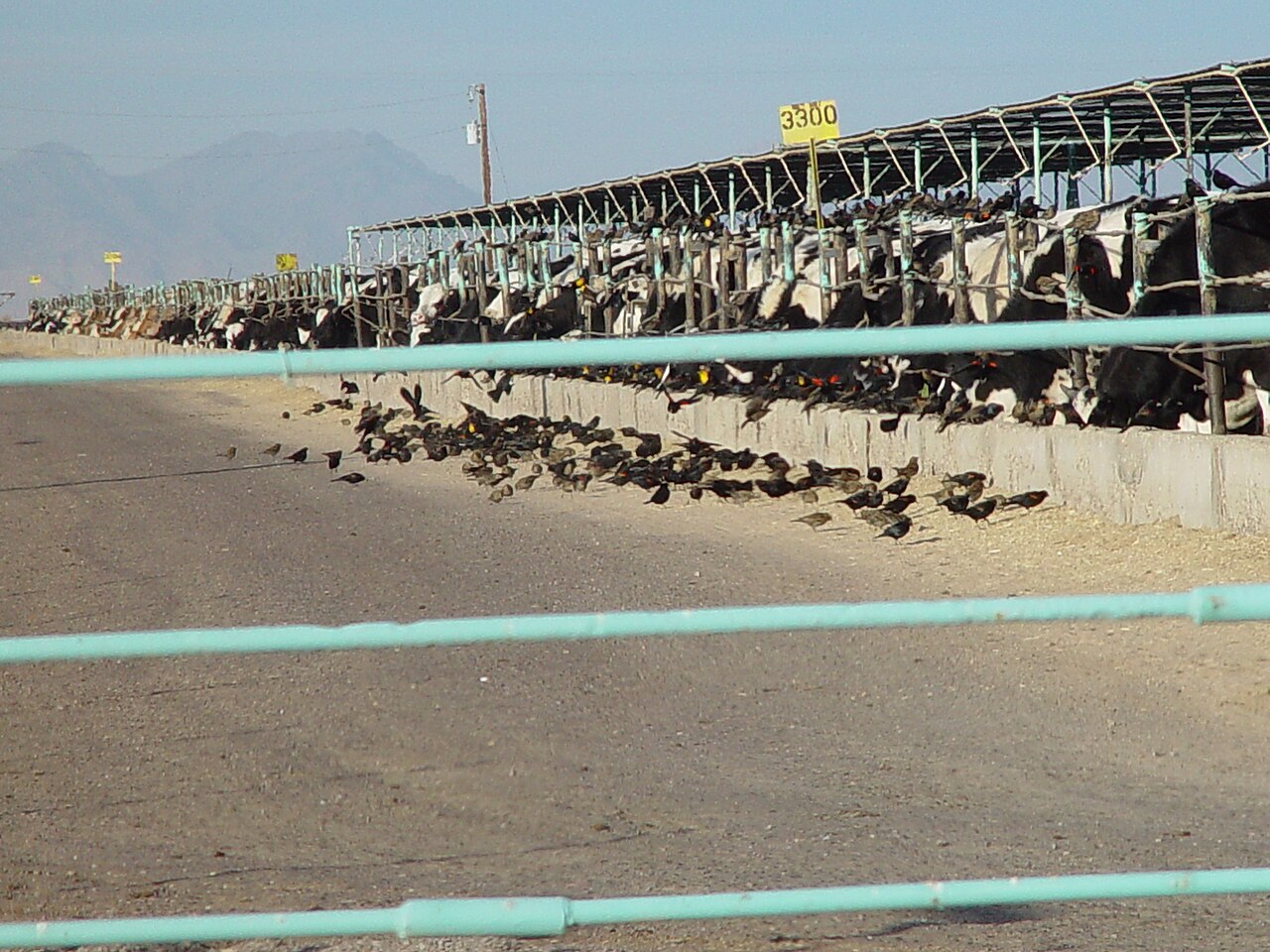
US feedlots have kept their cattle numbers close to last year's by holding animals longer and finishing them heavier, but that strategy is reaching its limit, Pro Farmer reports. USDA's Cattle on Feed report of 18 September showed record-low placements in July and August, leaving 2026 placements the lowest for the time of year since the report began in 1996. Marketings also hit a record low in August.
Live slaughter weights averaged 1,438 pounds in August, up 28 pounds from a year earlier and 89 pounds from five years ago. The 2025 annual average of 1,432 pounds was up 33 pounds on the year, against an average annual gain of about 9 pounds over the past 30 years. With feed grain prices rising and heavier cattle eating more, feedlots may be less willing to extend days on feed further.
Futures reacted to the report, with October live cattle and November feeders gapping higher, though cash trade has been slower to follow. If supplies stay tight into autumn, feedlots and packers may have to raise bids to get the cattle they need.
Mexico offers little immediate relief. Only 11,000 Mexican feeder cattle had entered the US by 18 September after some ports reopened; an optimistic outlook puts the year's total above 150,000, against about 1.2 million a year before screwworm closed the border. Meanwhile US imports of Mexican beef rose by 35,000 metric tons, or 26 percent, through July, as Mexico bought more US corn to finish cattle and expanded its own processing.
Photo: USDA / Wikimedia Commons (Public domain)
Source: Pro Farmer


Comments
(0)