
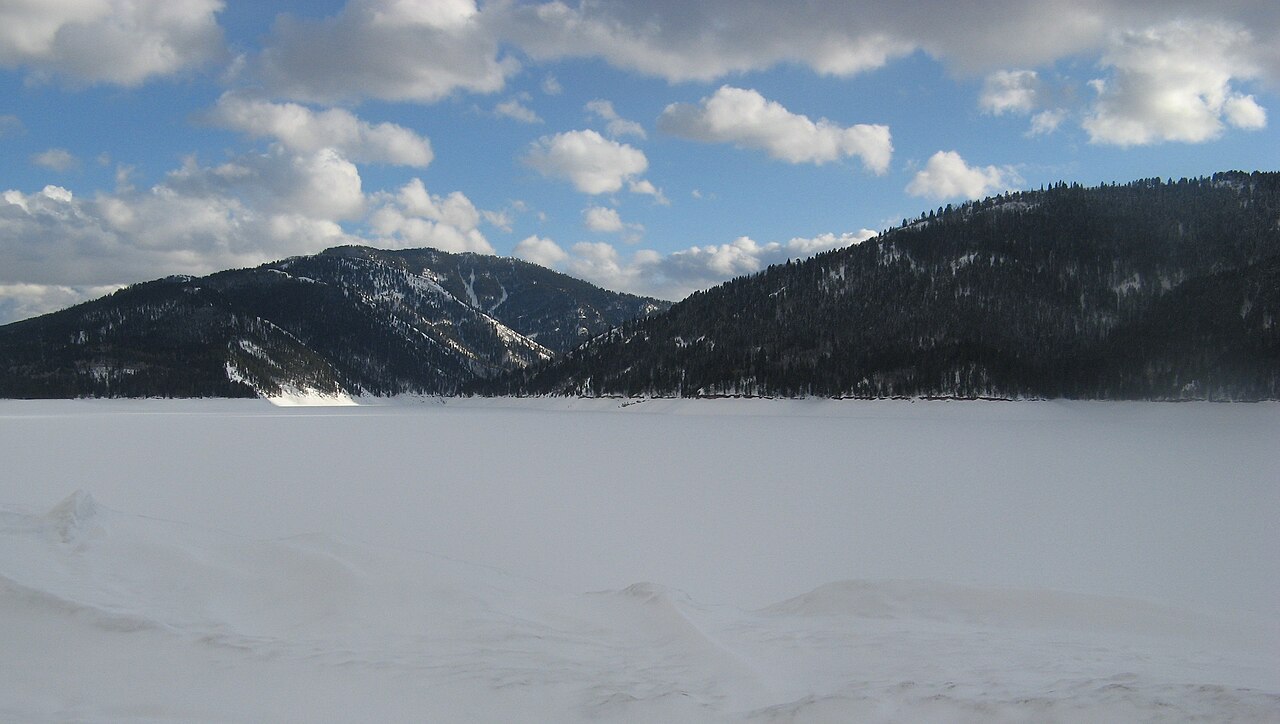
Water conservation by irrigation districts may keep the eight storage reservoirs of the Upper Snake River system from ending the irrigation season at an all-time low, the US Bureau of Reclamation says. The bureau now projects the system will finish at 8 to 9 percent of capacity; in August it had foreseen a fall to as low as 6 percent, which would have broken the record low of 8.5 percent set in 2003.
On 18 September the system held 11 percent of capacity, slightly below the 2003 level on the same date. Since records began in the late 1970s, the median volume for that date is 41.5 percent and the median season-ending minimum 38 percent, said Brian Stevens, the bureau's Upper Snake water operations manager. Irrigation demand is now falling and deliveries of stored water are expected to end around mid-October, close to the normal schedule.
"Irrigation districts have been conserving water as much as possible in preparation for next year amid record drought conditions," Stevens said. Demand is "a little bit below normal for the time of year", partly because of harvest and partly because districts are working out what carryover they will have for 2027.
Reclamation will move to winter minimum Snake River flows in October–November; barring an unusual storm, they should be normal, at about 280 cubic feet per second out of Jackson Lake in Wyoming, 900 cfs out of Palisades in eastern Idaho and 425 cfs out of Minidoka in south-central Idaho. Managers are also shifting storage upstream this off-season, holding more water in Jackson, Ririe and Island Park and less in American Falls and Lake Walcott, work due to finish in mid-October. "By storing water higher in the system, Reclamation is able to maintain space in the lower system to store extra water that may not be able to be stored in the headwater reservoirs," Stevens said. Reporting by Brad Carlson.
Photo: Ams100272 / Wikimedia Commons (public domain)
Source: Capital Press
Comments
(0)