
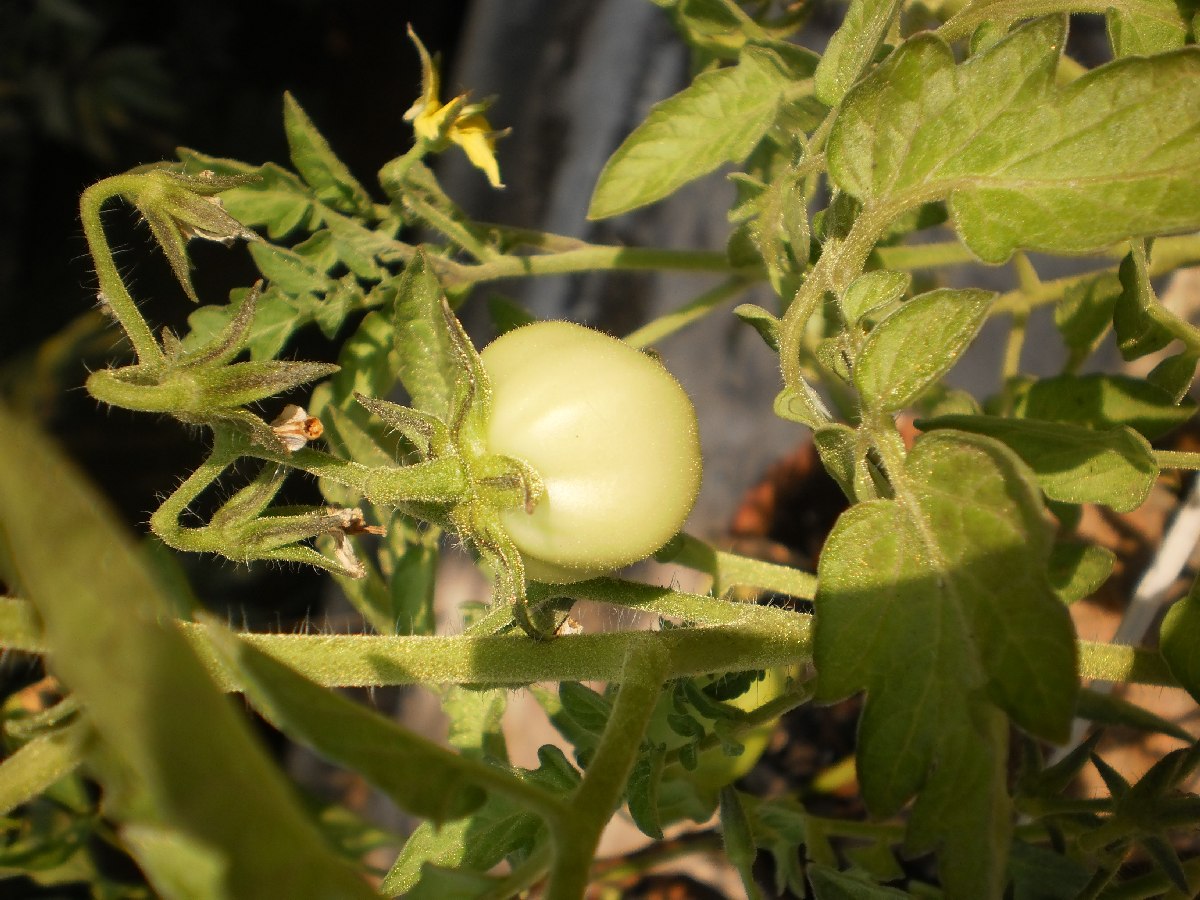
Researchers at the University of Hyderabad (UoH) have worked out how tomato plants manage their internal reserves of phosphate, a finding they say could help breed high-yielding crops that need much less chemical fertiliser. The study, by a team led by Prof Rahul Kumar at The Tomato Lab in the Department of Plant Sciences, with Abhishek Roychowdhury, was published in the Journal of Experimental Botany.
Phosphate is an essential nutrient for plant growth, but farming relies heavily on non-renewable, costly chemical phosphate fertilisers. The team found that the gene PAP26b drives the transfer of stored phosphate from older leaves to rapidly growing young tissue.
When the researchers silenced PAP26b, older leaves stopped recycling phosphate. That tricked young leaves and roots into a whole-plant starvation response, through a regulator called SlPHL1, even when the soil held normal amounts of phosphate.
The study also showed that different leaf nodes keep their own nutrient balance: young leaves can signal a shortage while older leaves are unaffected. By identifying how PAP26b works through the SlSPX2-SlPHL1 regulatory pathway, the scientists say they now have a precise genetic target for raising a crop's internal phosphate-use efficiency.
According to the university, the practical gains would be lower input costs for farmers, healthier soils with less chemical runoff and a step towards food security. The work so far is in tomato; breeding crops with the trait would be the next stage.
Photo: Edukeralam (Navaneeth Krishnan S) / Wikimedia Commons (CC BY-SA 3.0)
Source: Rural Voice


Comments
(0)