
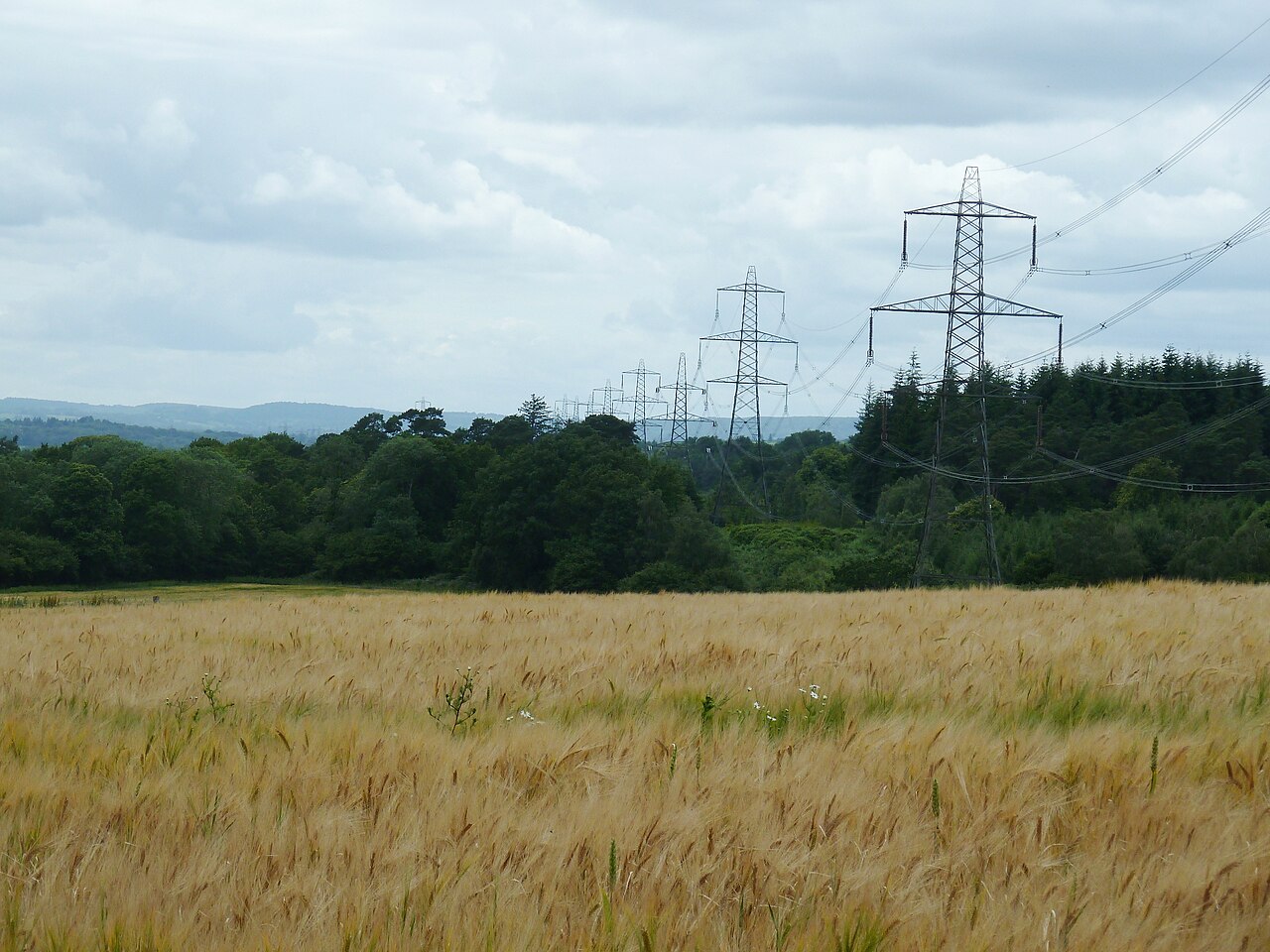
Spring barley suffered most from this summer's drought in the UK, with national yields 17% below the five-year mean, according to the final Harvest Progress report of 2026 from the Agriculture and Horticulture Development Board (AHDB).
Spring barley averaged 4.8 t/ha. Oats were 14% below average at 4.6 t/ha and wheat 11% below, while winter barley was broadly in line with its five-year average at 6.9 t/ha. Oilseed rape was the exception, averaging 4.0 t/ha, about 19% above the five-year mean.
Across the survey sample, average yields stood at 6.9 t/ha, about 11% below the national five-year average, with reported yields ranging from 3.9 t/ha to 11.5 t/ha.
Helen Plant, AHDB lead analyst for cereals and oilseeds, said 2026 was another highly variable harvest shaped by limited rainfall from spring onwards. Soil type, drilling date, previous cropping, local weather and moisture all appeared to influence results, and grain quality has also been highly variable, which will complicate storage and marketing in the coming months.
"This is the second, or in some cases third, successive challenging harvest," said Anthony Hopkins, AHDB director of cereals and oilseeds. "At a time of high input costs, arable farmers in the worst-affected areas are really feeling the financial pressure right now."
Yields for wheat, oats and spring barley improved slightly as more crops were cut in Scotland and northern England, but AHDB said the overall picture remains challenging for many growers.
Photo: Dave Spicer / Wikimedia Commons (CC BY-SA 2.0)
Source: Farmers Weekly
Comments
(0)