
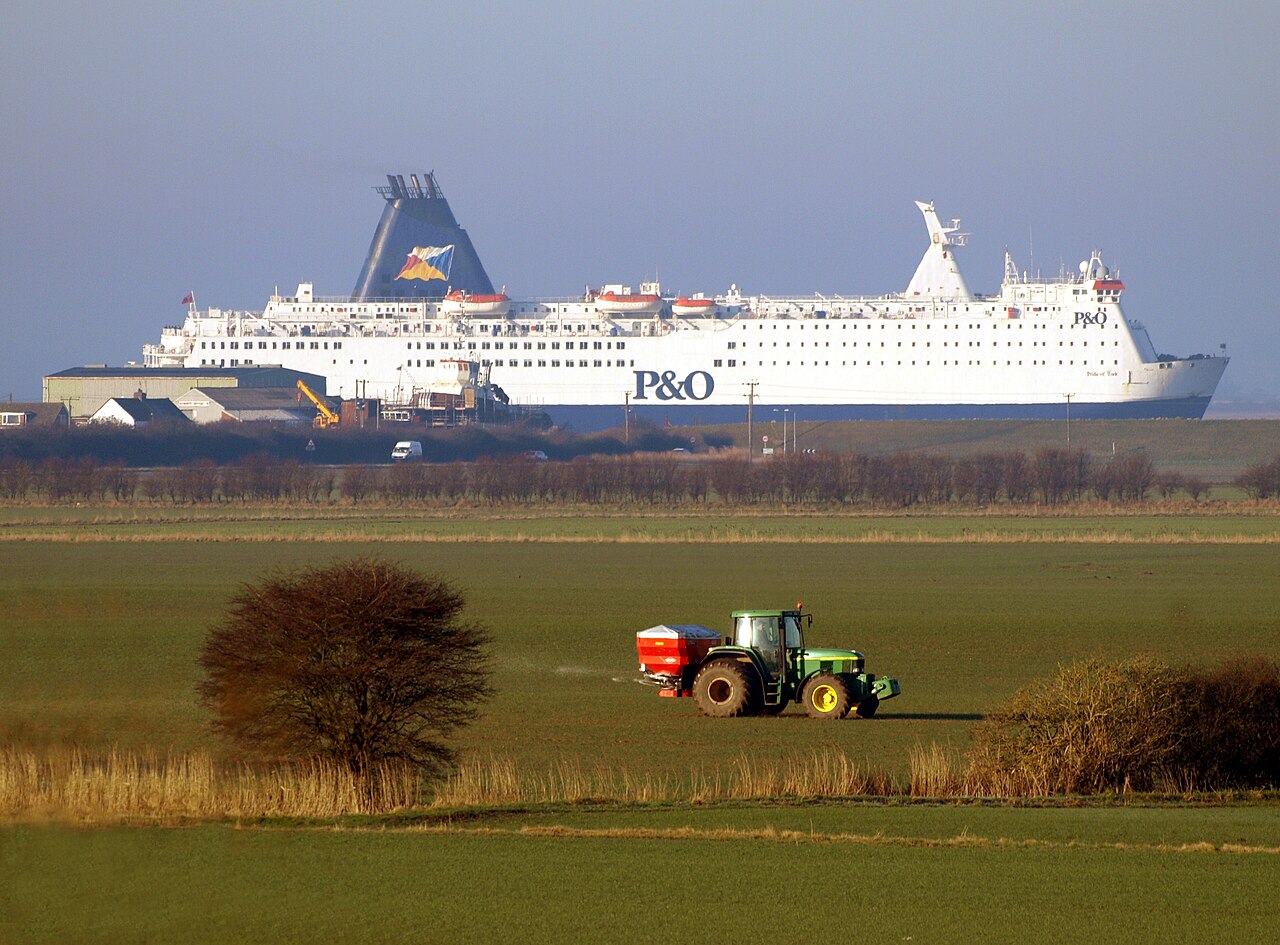
Farm input costs in the UK are rising at more than twice the rate of consumer prices, with "agflation" estimated at 7.8% in September by the consultancy Andersons, the highest since early 2023, Farmers Weekly reports.
The rise is being driven by the most volatile items in the farm cost base. Fertiliser prices were 35% above a year earlier, and energy and lubricants up by more than a quarter. Agricultural output prices, by contrast, were estimated to be 1.3% lower in September, widening the gap between what farmers pay and what they receive to more than 9%.
With costs well above where they were five years ago and little sign of a return, Andersons says UK agriculture is in its most "consequential" period in a generation, as the cost squeeze coincides with the phasing out of delinked payments, reshaped environmental schemes, climate change and disease pressure.
Michael Haverty, senior research consultant at Andersons, said inflation has permanently reset the cost base of many farm businesses and output prices have not reliably kept pace. "When margins are this tight, the gap between the best and the average business is determined as much by the quality of decisions as the quality of farming," he said.
The squeeze shows further down the chain. The Association of Independent Meat Suppliers (Aims) found retail meat prices 0.74% lower in September than in August, with chicken breast portions 5.5% cheaper and thigh fillets down 11.4%; only lamb rose, by 71p/kg (4.25%). Aims' Tony Goodger said farmers' and processors' cost of production "is not being adequately remunerated at the supermarket checkout".
Photo: Andy Beecroft / Wikimedia Commons (CC BY-SA 2.0)
Source: Farmers Weekly


Comments
(0)