
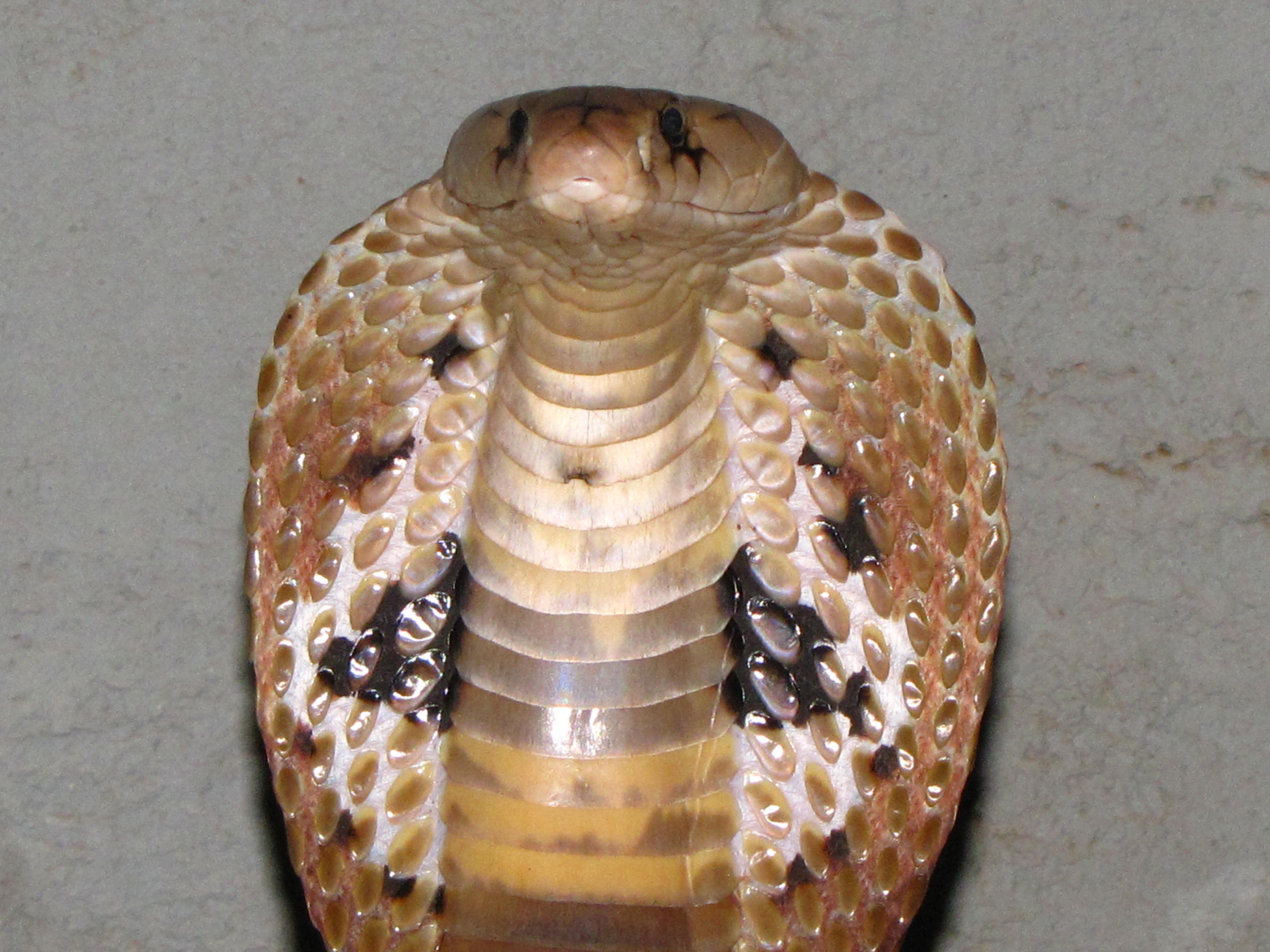
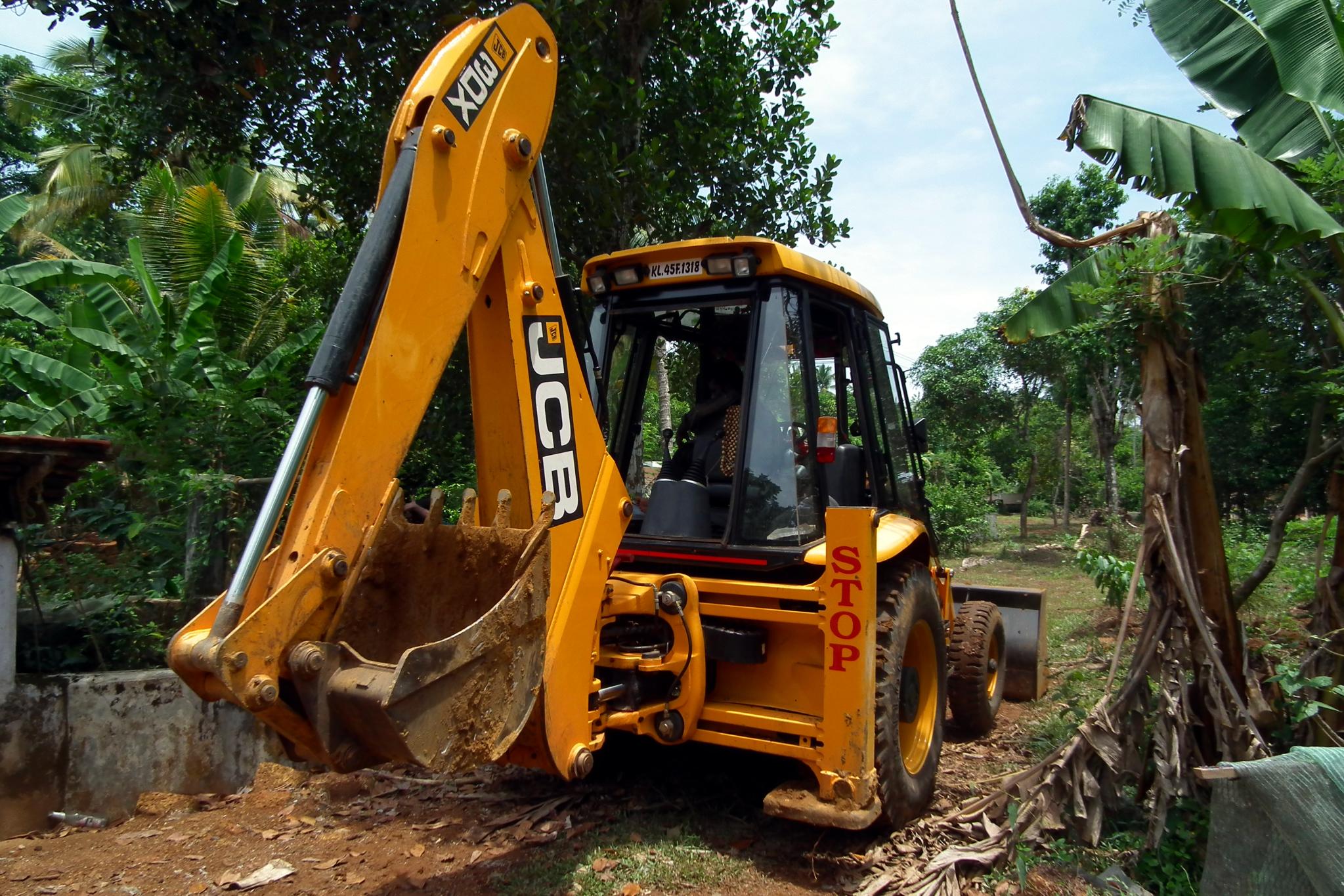
Veterinary doctors in Ujjain, in India's Madhya Pradesh state, saved a cobra in late November 2025 with a two-hour operation and 80 stitches after a JCB machine struck the snake at an excavation site. The accident happened on the night of Tuesday, 25 November, in the Vikram Nagar Industrial Area, where digging work was under way, NDTV reported the next day.
In a country where snakes are more often feared, killed or chased away than treated, the rescue was described as a rare exception. When NDTV and Jagonews24 published their accounts on 26 and 27 November, the cobra was stable and was due to go back to the wild after two more days of observation.
From the digging site to the operating table
The machine hit the cobra by accident during the digging and left it badly injured and bleeding. With its skin torn and its head severely wounded, the snake moved about the site. Frightened onlookers first threw mud at it. They then telephoned Rahul and Mukul, two local rescuers known in the area as "snake friends".
The two men reached the spot, caught the injured cobra safely and took it straight to the veterinary hospital on Udayan Marg. There the chief veterinary surgeon, Dr Mukesh Jain, and his team of officers Ramkanya Gaurav, Ravi Rathore and Prashant examined it. They found deep wounds on the head and back, and parts of the skin had been peeled away completely.
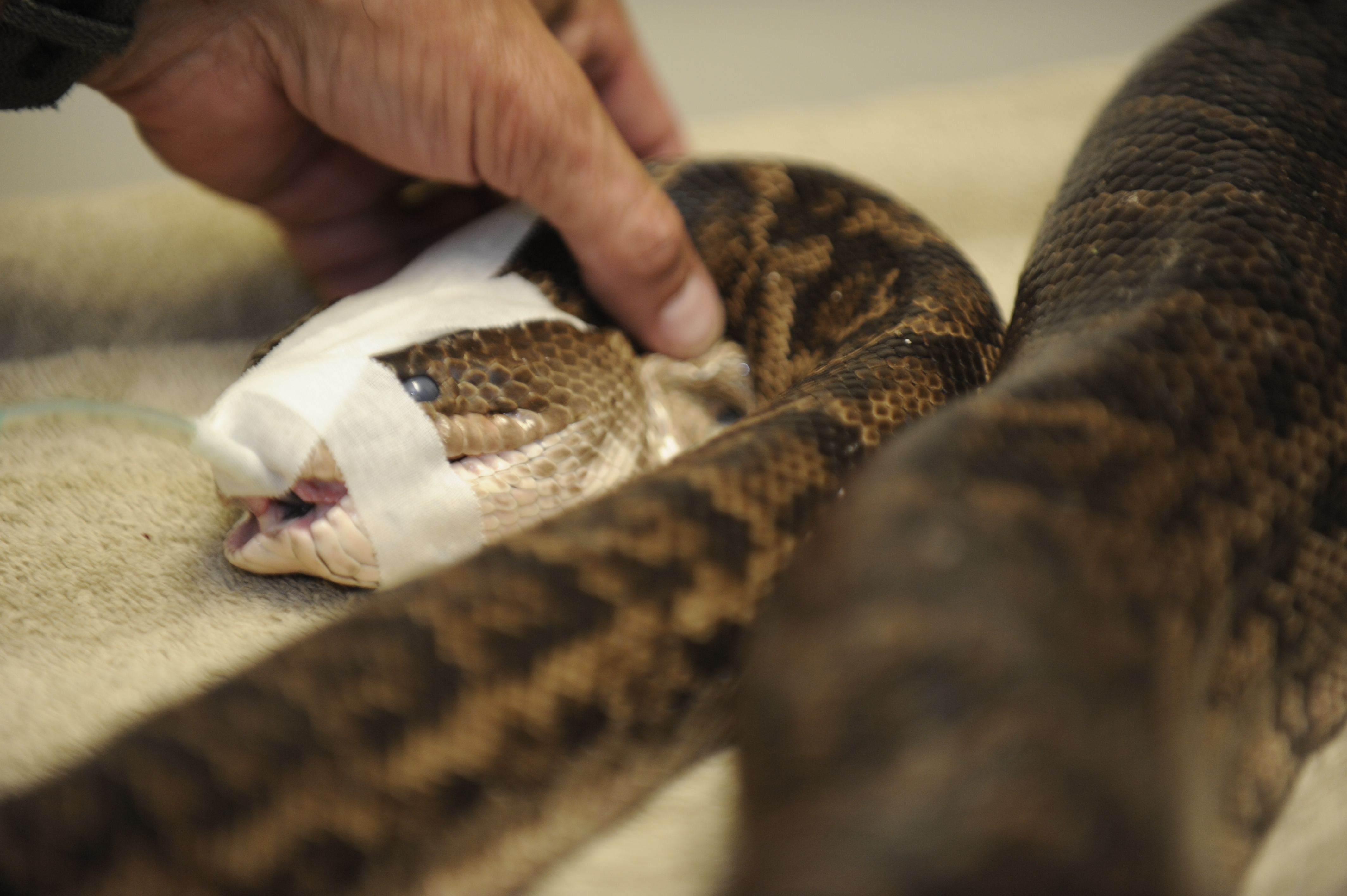
The team judged that the snake needed major surgery. It arranged special medication, gave the cobra mild anaesthesia and began the operation. Over two hours the doctors stitched the torn skin and muscle back together, with 80 stitches in all.
After the operation the snake was stable and was handed back to Rahul and Mukul for post-operative care. The plan, as reported at the time, was two more days of observation and then release into the wild. The reports did not give the snake's length, weight or sex, the drugs used, or the place chosen for its release.
Which cobra was it?
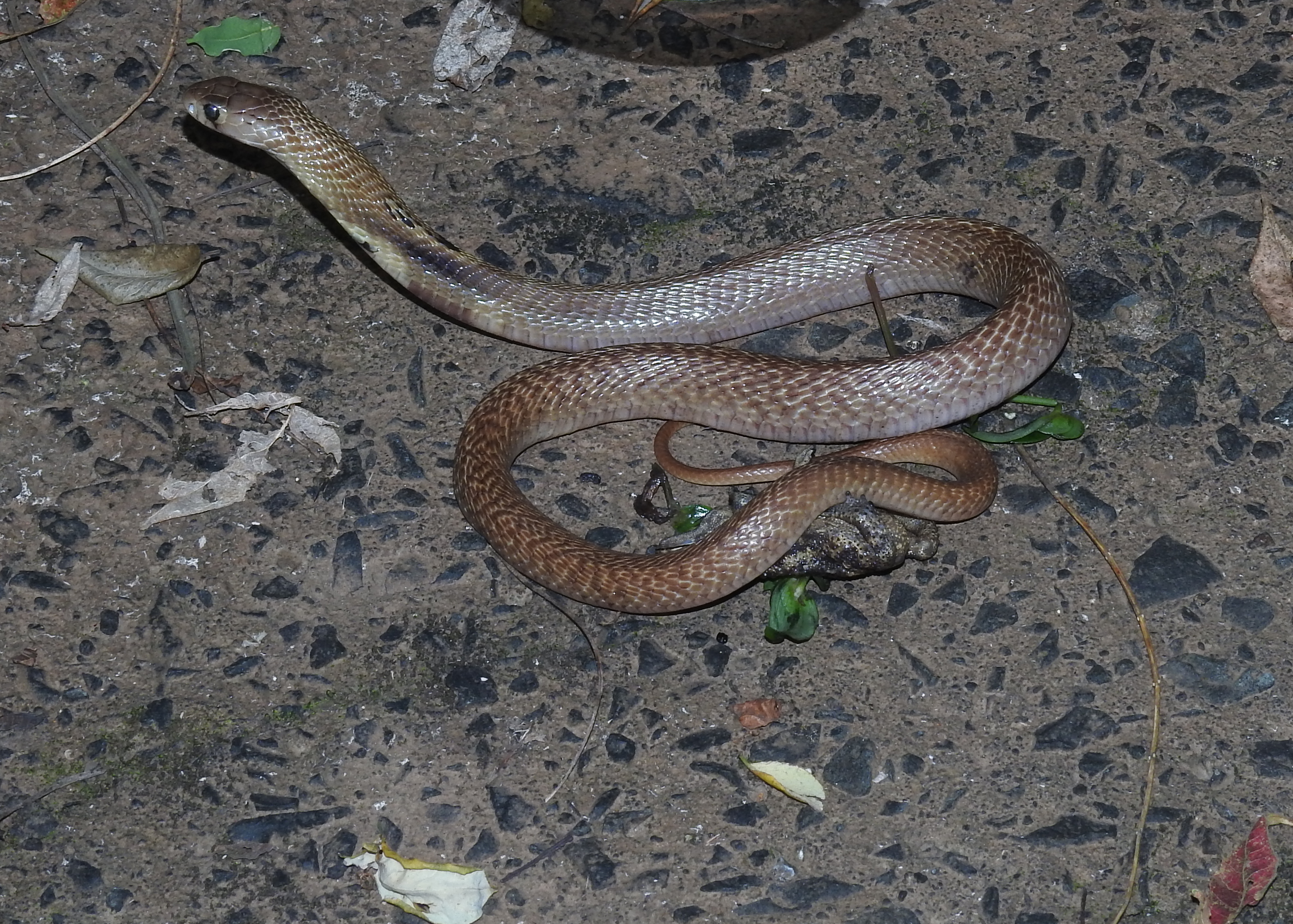
Dr Jain confirmed that the snake belonged to the Elapidae family, which NDTV noted includes several species of cobras. Neither report named the species, so this account does not name one either. Elapidae is a family of venomous snakes. True cobras form the genus Naja within it, and the king cobra sits in a separate genus, Ophiophagus.
The cobra found across most of India is the Indian or spectacled cobra, Naja naja, which Carl Linnaeus described in 1758. It is native to India, Pakistan, Sri Lanka, Bangladesh and southern Nepal, and it is absent only from high ground above about 2,000 metres and from extreme deserts.
According to Animal Diversity Web, the University of Michigan's animal reference, it is a smooth-scaled snake with a wide neck and head, and its colour runs from black through dark brown to cream, often with a pale spectacle pattern. When threatened, it raises the front third of its body and spreads its hood. Most adults measure 1 to 1.5 metres, although longer snakes are recorded.
The cobra bites its prey, waits for the venom to act and then swallows the animal whole. Rodents, lizards and frogs are its main food. A female lays 12 to 20 eggs in a hollow tree or in the ground and guards them, and they hatch after about 50 days. Other references give a clutch of 10 to 30 eggs, laid from April to July, often in rat holes or termite mounds. Hatchlings can rear up, spread their hoods and strike as soon as they leave the egg. Females in captivity have lived about 23.9 years on average.
The species is not endangered. The International Union for Conservation of Nature listed it as Least Concern in its 2021 assessment. It has, however, been hunted for the markings on its hood, which have been used in handbags, and it is listed in Appendix II of CITES, the treaty on trade in wild species, because it closely resembles threatened species.
Why cobras turn up where people dig
The reports did not say what the Ujjain cobra was doing at the site. Published research does explain why such meetings are common. The Indian cobra lives in forests, plains, farmland including rice paddies, wetlands and towns, usually near water, and it hides in embankments, termite mounds and similar places in the earth. It sometimes enters buildings to hunt rodents, and that makes it a natural check on the rats and mice that live around people.
A study of snake rescuers in Tamil Nadu, published in PLOS Neglected Tropical Diseases in September 2024, gave the wider picture. Rapid urban growth was turning forests and farmland into living space, it said, which displaced snakes and pushed them closer to people. The high density of rodents in farming areas also accounted for the abundance of snakes there, and homes attracted them with hiding places and water.
Field counts show the same thing in cities. Researchers in Delhi recorded 372 snakes of 15 species over 41 months from January 2019 to May 2022, in a study published in Scientific Reports in March 2024. Snakes were found in forests, public parks, homes, drains, streets, office buildings and even schools and colleges. The oriental rat snake was the most recorded species, with 139 snakes, and the spectacled cobra came second with 73. Most encounters came in July and August, during the peak of the monsoon.
In Hooghly district of West Bengal, another study examined 520 rescue encounters by a local network from July 2020 to October 2022 and was published in Transactions of the Royal Society of Tropical Medicine and Hygiene in 2025. The spectacled cobra was the most encountered of five venomous species, which together were involved in 365 of the rescues. Rain on the previous day significantly raised the number of encounters.
Ujjain and the Malwa farmland around it
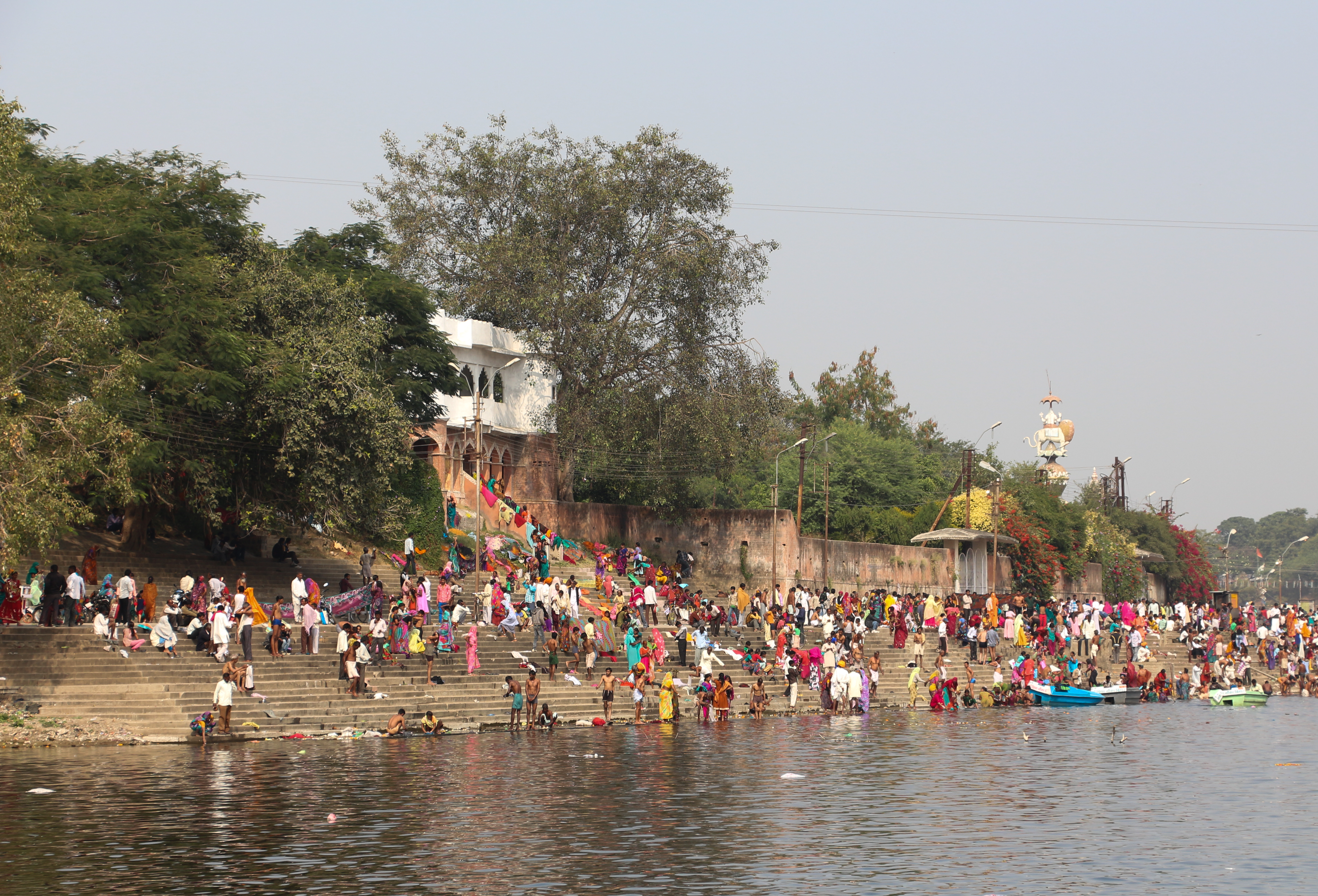
Ujjain stands on the Malwa plateau at about 494 metres above sea level, on the eastern bank of the Shipra river. The Shipra is about 195 kilometres long. It rises in the eastern part of Indore district and runs north across the plateau to join the Chambal.
The city is one of the oldest in central India. It was the capital of the Avanti kingdom, one of the sixteen great states of ancient India, and it became a political centre of the region around 600 BCE. The Simhastha fair is held there every 12 years, and the Mahakaleshwar temple stands at the centre of the city.
The 2011 census counted 515,215 people in the city. Ujjain district covered 6,091 square kilometres and held 1,986,864 people, of whom 39.22 percent lived in urban areas. The main industrial areas of the city lie along Dewas Road, Maxi Road and Tajpur, but most of the region's industry is in nearby Indore and Dewas. The nearest commercial airport is at Indore, 57 kilometres away.
Beyond the city the plateau is farming country. Its main soils are a moisture-holding black soil formed from volcanic basalt, a lighter brown soil and a stony soil. The main crops of Malwa include wheat, rice, jowar, coarse millet, peanuts, pulses, soybean, cotton, linseed, sesame and sugarcane. The Tamil Nadu study noted that rodents gather in dense numbers in farming areas, and rodents are among the cobra's main food.
How a snake's wounds are closed
The Ujjain reports gave only an outline of the operation: special medication, mild anaesthesia, two hours of stitching. Veterinary references show why surgery on a snake is specialised work. What follows is general reference material on reptiles, not an account of what the Ujjain team did.
Anaesthesia is the first difficulty. WikiVet, a reference written for veterinary students and vets, notes that a reptile's breathing responds to oxygen levels, and that its rate falls as the oxygen pressure rises, unlike in mammals. A snake may not breathe by itself under general anaesthesia, especially on pure oxygen, and only about the first two-fifths of its body fills with each breath. Venomous snakes call for added caution. Temperature matters as well: keeping the patient warm supports the organs that clear the drugs and shortens recovery. Average recovery takes 10 to 30 minutes, but full recovery can take up to 24 hours.
The skin raises its own problems. The same reference says the edges of a reptile's skin wound tend to turn inward, so stitches are placed to turn them out. It advises against catgut, because reptiles may lack the enzymes that break it down, and it says skin stitches should stay in for at least three to six weeks. Shed skin may stick to healed wounds for several sheds. Reptile wounds pass through the same stages as mammal wounds but gain strength more slowly, and heat, hygiene and the direction of the wound all affect healing.
Temperature has been measured directly. In a study published in the Canadian Journal of Veterinary Research in 1988, researchers at the University of Guelph's Ontario Veterinary College kept common garter snakes with skin wounds at 13.5, 21 and 30 degrees Celsius. The speed of scab formation, skin regrowth and the fading of inflammation all rose with temperature. The authors concluded that healing can be sped up by keeping reptiles at the upper end of the temperature range they choose for themselves. They also found that small incisions may not gain from stitching, a finding about small clean cuts and not about deep wounds with skin stripped away, such as those seen in Ujjain.
The reports did not say what thread was used in Ujjain, or when or how the stitches would come out.
The snake friends who answer the call
The reports said little about Rahul and Mukul beyond their local reputation and their part in this rescue. Volunteers of their kind have been studied in other parts of India, however. The Tamil Nadu study interviewed 152 rescuers from 27 of the state's 38 districts, and it is a study of that state, not of Madhya Pradesh. Its authors described rescuers as volunteers who remove snakes and move them to safe places, usually with no pay for their time or travel. Among those interviewed:
- 144 rescuers, or 94.7 percent, were men, most of them young.
- 110 said they did the work out of interest in snakes, and 105 for the sake of conservation.
- 104 had rescued more than 50 snakes in the past year.
- 73 received more than four calls a day in the peak season, the monsoon months from June or July to November.
- 131 travelled to calls on their own motorbikes.
- 101 had suffered injuries other than snakebites during rescues, such as cuts, fractures and road accidents.
Half of the rescuers had never been bitten during a rescue. Those bitten by venomous snakes spent between 1,000 and 40,000 rupees each time on treatment, and the study found rescuers paying for such care from their own money. There were no standard guidelines on where a rescued snake should be released, so most rescuers chose places they judged safe, away from homes, and told the forest department. Of the 152, 128 said they did not hand snakes over to callers or witnesses, because those people might kill them. The authors called for formal training, safety equipment, standard procedures and regulation of the work by the authorities.
The Delhi researchers reached a similar view. They reported an urgent need for best practice with minimal handling, and said rescue and release should be carried out by experienced people using scientifically sound methods. A surgeon who treats snakes in Chhindwara, Madhya Pradesh, told ETV Bharat in May 2023 that people had died playing with snakes or trying to rescue them without training. The Ujjain rescue was the work of known rescuers and a hospital team, and it is no example for anyone without that experience to copy.
Earlier operations on snakes in India
The 80 stitches made the Ujjain case stand out, but Indian vets had operated on snakes before. Madhya Pradesh had seen several such reports. In February 2010, officials at Van Vihar National Park in Bhopal operated on an 11-foot king cobra seized from a snake charmer. The snake had damaged fangs and a mouth infection that kept it from eating, and the park's deputy director said it was the park's first operation on a king cobra.
In February 2023, the Free Press Journal reported on a female cobra, about 4.5 feet long, caught from a house in Indore in January of that year. A clinic vet found that one eye had gone blind from corneal opacity. He said surgery was not possible and prescribed medication instead. In May 2023, ETV Bharat reported that the same surgeon in Chhindwara had by then operated successfully on more than 100 cobras, including one that needed surgery on its jaw and was later released in a forest.
The nearest parallel came from Maharashtra in August 2024. The Free Press Journal reported that an Indian spectacled cobra about five feet long was injured by the scoop of a JCB earth mover at a digging site in Barave village, Kalyan, in Thane district. A vet closed its abdomen with 15 stitches, and the snake was kept at the clinic until it could hunt for itself, with release into the wild to follow.
Fear, snakebite and the law
Fear of snakes in India has a real basis. A nationally representative study in eLife, published in July 2020, estimated about 1.2 million snakebite deaths in India from 2000 to 2019, or about 58,000 a year. About 94 percent of the deaths were in rural areas and about 77 percent happened outside hospitals. About half came during the June to September monsoon.
Madhya Pradesh was one of eight higher-burden states, with an estimated 67,800 deaths from 2001 to 2014 and a rate of 6.0 per 100,000 people in 2010 to 2014. In the published studies that the authors reviewed, Russell's viper accounted for about 43 percent of bites where the species was known, the common krait for about 18 percent and the cobra for about 12 percent.
The Indian cobra is one of the "big four" species, with the common krait, Russell's viper and the saw-scaled viper. According to a PTI report on a government document, these four cause about 90 percent of incidents in India. On 12 March 2024, the Union Health Ministry released a national action plan on snakebite that aimed to halve deaths and disabilities by 2030, and it planned a pilot helpline, 15400, in five states and union territories including Madhya Pradesh. Official hospital reports for 2016 to 2020 showed about 300,000 cases and about 2,000 deaths a year, far below the research estimates. In November 2024, the ministry asked states to make snakebite cases and deaths a notifiable disease, so that health facilities would have to report them.
The Tamil Nadu authors noted that fear of snakes, deepened by limited public awareness, keeps conflict high, and that people often kill snakes, including harmless ones, when they meet them. Such killing, they said, disrupts the ecosystem and the natural control of rodents. It is also against the law. India's Wild Life (Protection) Act of 1972 protects animal species including snakes and makes killing a snake a punishable offence. An amendment passed by parliament on 8 December 2022 and given assent on 19 December 2022 reduced the Act's six schedules to four and removed the separate schedule for vermin.
The same cobras in Bangladesh
The spectacled cobra is also a snake of Bangladesh. Banglapedia, the national encyclopedia, lists three cobras in the country. The spectacled or binocellate cobra, Naja naja, is known locally as khoia or khodom paia gokhra and has a black U-mark on its hood bordered by a light brown line. The monocled cobra, Naja kaouthia, is the gokhra, with a large black blotch or O-ring circled in yellow or orange. The king cobra, Ophiophagus hannah, is the raj gokhra, which can reach about 5.5 metres, while the Naja cobras average about 1.5 metres.
Banglapedia says cobras live near human settlements, cultivated fields and forests, and that they are nocturnal. It counts about 90 species of snakes in Bangladesh, more than three-fourths of them non-poisonous, and notes that several harmless snakes living near homes help to control rats and mice. It considers cobras threatened in the country. The risk from bites is shared as well: the PTI report said Bangladesh, India, Nepal, Pakistan and Sri Lanka together account for nearly 70 percent of snakebite deaths in the world.
Photo: Jayendra Chiplunkar / Wikimedia Commons (CC BY-SA 3.0). The top picture shows the spread hood of a binocellate cobra (Naja naja), as background; it is not the snake treated in Ujjain.
Sources: Jagonews24 (27 November 2025), NDTV (26 November 2025), eLife (July 2020), PLOS Neglected Tropical Diseases (September 2024), Scientific Reports (March 2024), Transactions of the Royal Society of Tropical Medicine and Hygiene (2025), Canadian Journal of Veterinary Research (1988), WikiVet, Animal Diversity Web, Banglapedia, PTI in The Week (12 March 2024), ETV Bharat (15 May 2023 and 30 November 2024), Free Press Journal (6 February 2023 and 10 August 2024), OneIndia (23 February 2010), PRS Legislative Research, Gazette of India (20 December 2022), Wikipedia (Indian cobra, Ujjain, Ujjain district, Shipra River, Malwa).
Comments
(0)