
A few Bangladeshi expatriates have made a stir by farming fish in Uganda, East Africa. By farming fish on once-wild land, they have opened a new economic opportunity, and many are becoming interested.
A country fed by Lake Victoria
Uganda covers 93,065 square miles and has fewer than 40 million people. Its staple foods are bananas and beans, and a large share of its animal protein comes from wild fish in Lake Victoria, so local people have had little interest in fish farming. The expatriates have made an impression by building one fish farm after another, a profitable path shown by a young man named Sohel.
From jungle to fish farms
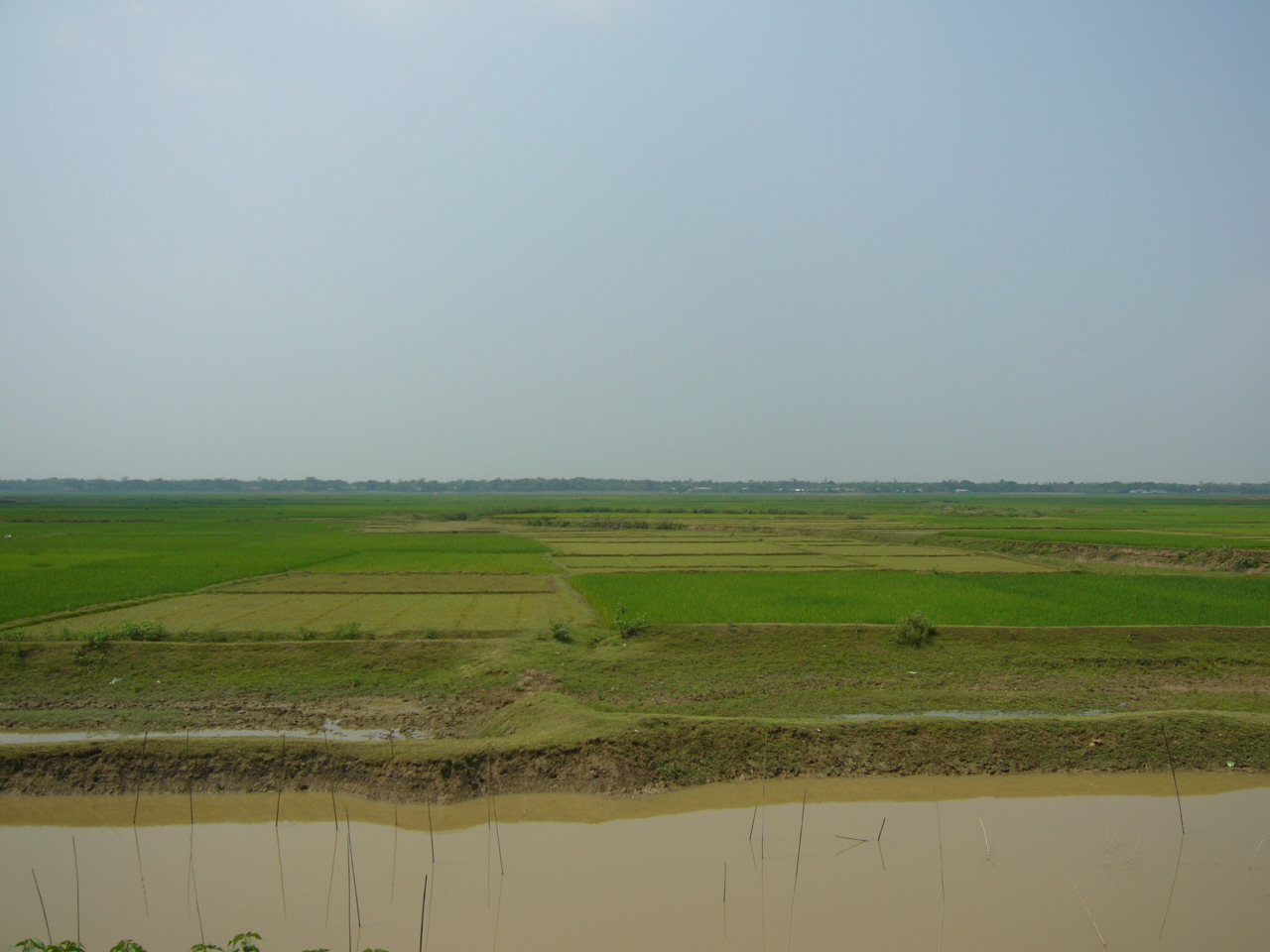
Their initiative has turned wild land stretching to the horizon into a wide farming area, and many expatriates have joined this new revolution. It began with monosex tilapia, and other fish will follow. Uganda's grassroots communities are learning the technology and techniques of fish farming and care from the Bangladeshis.
Source: Shykh Seraj, Hridoye Mati O Manush. First published in Bengali on The Agro News.

Comments
(0)