
Cancer patients in Uganda often travel hundreds of kilometres for treatment, and the Uganda Cancer Institute (UCI) has built an automated voice-call system to check on them between hospital visits, SciDev.Net reports from the World Cancer Congress in Hong Kong.
Johnblack Kabukye, a medical doctor and informatician at UCI, said patients often suffer vomiting, pain, nausea or mouth sores after treatment, and doctors used to learn of it only when they returned three weeks later, if they returned at all. When a patient registers, nurses record a phone number, preferred language and preferred time, and a computer then calls every few days with recorded questions that the patient answers by choosing one of four options. The answers go to the doctor, who decides whether the patient should come back early.
The system runs on Interactive Voice Response. It is free for patients because the hospital places the call, and it needs no internet, smartphone or reading ability. "No human is involved and it is more inclusive," Kabukye said.
A research pilot with about 100 patients with blood cancers made around 700 calls a week, and in about 18 cases patients were asked to return before their appointment because of serious side effects, he said. The pilot was funded with $50,000 from the International Cancer Foundation in Switzerland. UCI now has six call channels; a national service would need about 100, more languages and money for airtime, and the team plans to run it on solar power.
Daniel Kyabayinze, director of public health at Uganda's Ministry of Health, said there are plans to adopt the system at UCI and, if it succeeds, to build similar systems at regional cancer centres. Breast cancer survivor and advocate Getrude Nakigudde said free tools matter because most patients pay hospital bills themselves.
The congress heard that, according to the World Health Organization and the International Agency for Research on Cancer, there were 20.6 million new cancer cases and almost 10 million deaths worldwide in 2024, with new cases projected to reach nearly 35 million by 2050. UCI is now adapting the calls for other cancers, including breast cancer, and plans to offer the model to other African countries.
The report was written by John Musenze for SciDev.Net.
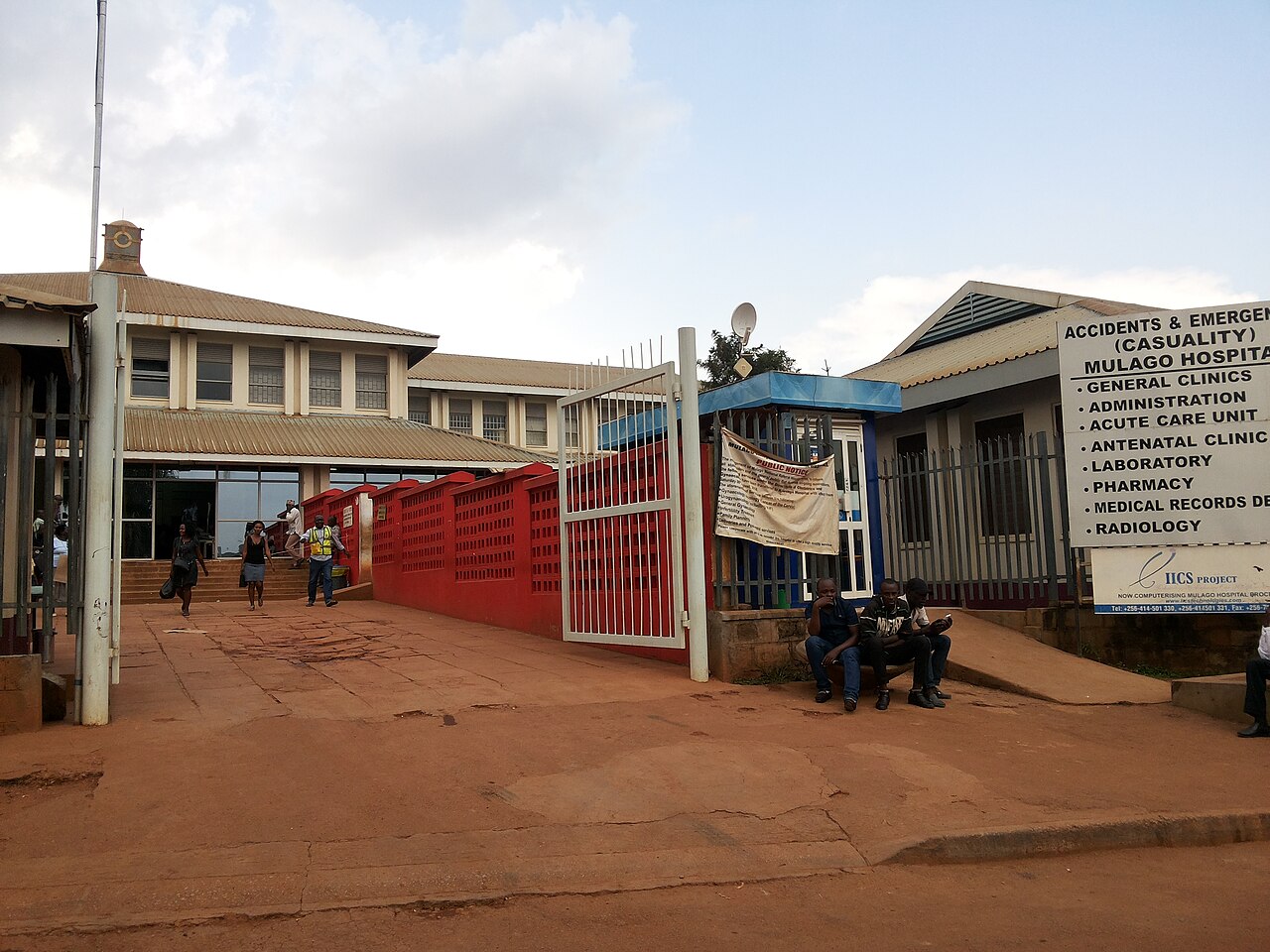
Photo: Joyce Nanjobe Kawooya / Wikimedia Commons (CC BY-SA 4.0)
Source: SciDev.Net


Comments
(0)