
Bangladesh's Prime Minister's Office asked for turmeric exports to be halted after excessive levels of harmful lead were found in the turmeric powder sold in the country's markets, BBC Bangla reported on Monday 4 November 2019. On the same day the government's Bangladesh Food Safety Authority (BFSA) held a meeting with the country's spice-producing companies. In the weeks before, the authority had told the public not to buy artificially coloured, unusually bright turmeric powder and to grind whole turmeric at home instead.
The lead was found in research by icddr,b, the health research organisation based in Dhaka, and Stanford University in the United States. Lead harms the human body and, as the BBC report put it, is particularly damaging to the brain development of the children of pregnant women. According to BBC Bangla, the researchers detected lead, in the form of lead chromate, in 20 per cent of the turmeric samples they had collected, before grinding, from markets in nine districts of Bangladesh.
How lead gets into turmeric
The presence of lead was first detected by icddr,b researcher Dr Mohammad Mahbubur Rahman. He told BBC Bangla that whole turmeric is rubbed before it is sold to make it look brighter, and that this happens at the level of the aratdars, the wholesale traders.
"Lead is being used to make turmeric brighter. It is rubbed onto whole turmeric. Turmeric is even sent to the wholesalers or traders at district level with the instruction: brighten this up for me with lead," he said.
A video that accompanied the report showed a kind of powder being sprinkled into a large basket while people wearing a special kind of shoe rubbed the turmeric with their feet.
This step is known as polishing. In their paper in the journal Environmental Research, published online in September 2019, the researchers wrote that turmeric wholesalers reported that the practice of adding yellow pigments to dried turmeric root during polishing had begun more than 30 years earlier and still continued, driven mainly by consumers' preference for brightly coloured yellow curries. Farmers told the researchers that merchants were able to sell otherwise poor-quality roots, and increase their profits, by asking polishers to add yellow pigment. The study concluded that lead chromate was being added by polishers who did not know it is a nerve poison, in order to satisfy wholesalers who were themselves responding to consumer demand for yellow roots.
Stanford University's account of the research, published on 24 September 2019, traced the habit to the 1980s. Many of the people interviewed said that a massive flood in that decade left the turmeric crop wet and relatively dull in colour. Demand for bright yellow curry led processors to add lead chromate, an industrial yellow pigment commonly used to colour toys and furniture, and the practice continued because it was a cheap and fast way to produce the colour buyers wanted.
The BFSA, in a public notice issued in early October 2019, said the lead found in dried or powdered turmeric came from lead chromate used illegally as a colouring or brightening agent. The notice listed the local names under which the pigment is known in different places: piuri, pipri, basanti rong, kanthali and sorshe phul rong, the last meaning the colour of mustard flowers.

What the Stanford and icddr,b studies found
Two scientific papers published in September 2019 set out the evidence behind the warnings. The first, titled "Turmeric means 'yellow' in Bengali: Lead chromate pigments added to turmeric threaten public health across Bangladesh", appeared online in Environmental Research on 6 September 2019. Its authors, led by Jenna Forsyth of Stanford University with Stephen Luby as senior author, included researchers from icddr,b and Johns Hopkins University. They identified and visited the nine major turmeric-producing districts of Bangladesh and two districts with minimal turmeric production. In each district they interviewed and observed people involved in producing, selling, consuming and regulating turmeric, and collected samples from the most frequented wholesale and retail markets and from turmeric polishing mills.
In total the team interviewed 152 people from across the supply chain and collected 524 samples of turmeric, pigments, dust and soil. They found evidence of adulteration with yellow pigment based on lead chromate in seven of the nine major turmeric-producing districts. Lead and chromium concentrations in turmeric were highest in Dhaka and Munshiganj districts, where turmeric powder contained up to 1,152 micrograms of lead per gram, compared with a maximum of 690 micrograms per gram in the nine major producing districts. Soil samples from polishing mills held up to 4,257 micrograms of lead per gram, and the yellow pigments themselves were 2 to 10 per cent lead by weight.
The second paper, "Sources of Blood Lead Exposure in Rural Bangladesh", was published in Environmental Science & Technology on 17 September 2019. It built on an earlier assessment of 430 pregnant women living in three rural districts, Mymensingh, Kishoreganj and Tangail. That assessment had examined many possible sources, including paint, water, battery recycling, soil, agrochemicals, traditional medicines, spices, rice and other foods, and only three contained lead above the limit of detection: food storage cans sealed with lead solder; turmeric, with lead at levels up to 100 times the Bangladesh Standards and Testing Institution's limit of 2.5 micrograms per gram; and clay tablets, soil or ash eaten during pregnancy.
To tell these sources apart, the researchers measured lead isotope ratios, which differ according to where the lead comes from and so act like a fingerprint, in the blood of 45 of the women and in samples of each suspected source. The three sources had clearly different ratios, and the blood ratios were most similar to turmeric. Taken together with the high lead and chromium levels in turmeric and in the yellow pigment, and with what the women said about their eating habits, the authors concluded that turmeric adulterated with the yellow lead-bearing pigment was the main source of lead exposure in these districts. They called for further work on the practice of adulteration and on how widespread it was across South Asia.
Stanford described the work as the first research to link lead in turmeric directly to lead levels in blood, and said the districts covered by the first study together produce nearly half of the nation's turmeric. "People are unknowingly consuming something that could cause major health issues," Jenna Forsyth said in the university's announcement. "We know adulterated turmeric is a source of lead exposure, and we have to do something about it."
What the food safety authority told traders and consumers
The BFSA had begun to act weeks before the November meeting. In its public notice, reported by Bangla Tribune on 2 October 2019, the authority directed all spice producers, under the Safe Food Act 2013, not to use, add or mix any colouring or brightening agent when processing dried or powdered turmeric. It told every turmeric-producing company to test its product and to market it only after making sure it contained no lead. The notice warned producers, suppliers, those who serve food, wholesalers, retailers and consumers not to produce, process, store, transport, buy, sell or use turmeric contaminated in this way, and said strict legal action would be taken against any company or person whose turmeric was found to contain lead chromate after the notice was published.
For households, the notice said that naturally produced whole turmeric, ground or made into a paste at home, was the safer choice, and encouraged everyone to follow that practice. Bangla Tribune summed up the advice as using less bright raw turmeric prepared at home rather than bright ready-made powder.
A member of the authority told Bangla Tribune that tests had shown the lead found in people's blood was the same as the lead found in turmeric, which meant lead chromate was entering the body through turmeric. He said Bangladesh imported about 600 tonnes of lead chromate a year for industry and that nobody knew which industries used that amount, so the adulteration could not be stopped until the source was controlled. The authority, he said, was considering how to tighten checks at the import stage, and anyone whose product was later found to contain lead would face strict action, including a fine of at least Tk 3 lakh for contaminating food.
On 27 October 2019 The Daily Star reported that the BFSA had already run notices in newspapers asking people not to buy artificially coloured turmeric powder and had distributed leaflets among spice merchants. Speaking at a national seminar in Dhaka on food safety in the poultry sector, organised by the Consumers Association of Bangladesh and partner organisations, the authority's chairman said the BFSA would be compelled to apply the law if retailers and manufacturers did not withdraw turmeric powder containing high levels of lead from the market, and that it was considering running mobile courts. She said researchers who had analysed soil samples and interviewed farmers and spice makers had found lead levels in turmeric powder above national limits.
It was against that background, BBC Bangla reported, that the BFSA met the spice-producing companies on 4 November while the Prime Minister's Office asked for turmeric exports to be halted. The BBC report put two questions to its readers: how lead is added to turmeric, and whether a shopper can tell with the naked eye in the market which turmeric is actually good. The authority's own advice, in its notice, was to avoid unnaturally bright powder and to prepare whole turmeric at home.
Why lead is dangerous
The World Health Organization's fact sheet on lead poisoning, published on 23 August 2019, describes lead as a cumulative toxic substance that affects multiple body systems and is particularly harmful to young children. Once lead enters the body it is distributed to the brain, liver, kidneys and bones, and it is stored in the teeth and bones, where it builds up over time. The WHO says there is no level of exposure to lead that is known to be without harmful effects, and that lead exposure is preventable.
Young children are especially vulnerable, the WHO says, because they absorb four to five times as much ingested lead as adults from a given source. Lead can affect children's brain development, resulting in reduced intelligence quotient (IQ), behavioural changes such as a shorter attention span, and lower educational attainment; these neurological and behavioural effects are believed to be irreversible. Lead also causes anaemia, high blood pressure, kidney damage, harm to the immune system and toxicity to the reproductive organs. The WHO notes that even blood lead concentrations as low as 5 micrograms per decilitre may be associated with decreased intelligence in children, behavioural difficulties and learning problems.
Pregnancy carries a particular risk, which is why the findings among pregnant women caused such concern. According to the WHO, lead stored in bone is released into the blood during pregnancy and becomes a source of exposure for the developing fetus, and exposure of pregnant women to high levels of lead can cause miscarriage, stillbirth, premature birth and low birth weight. Undernourished children are more susceptible because their bodies absorb more lead when other nutrients such as calcium or iron are lacking.
The WHO fact sheet cites the Institute for Health Metrics and Evaluation's estimate that in 2017 lead exposure accounted for 1.06 million deaths and 24.4 million years of healthy life lost worldwide through its long-term effects on health, with the heaviest burden in low- and middle-income countries. The WHO lists lead among ten chemicals of major public health concern that need action by member states to protect workers, children and women of reproductive age, and names pigments among the many products in which lead is used.
The BFSA's notice gave its own list of illnesses linked to lead: digestive problems such as constipation, nausea and loss of appetite; heart and blood vessel disease, including anaemia and high blood pressure; reduced resistance to disease; impaired physical and mental growth in children; memory loss, headaches, depression and neurological disorders in adults; and hormonal disorders. Human exposure to lead is usually assessed by measuring lead in the blood, the WHO says. Anyone worried about lead exposure, especially a pregnant woman or the parent of a young child, should consult a doctor.
"Unlike other metals, there is no safe consumption limit for lead, it's a neurotoxin in its totality," Stephen Luby, the senior author of both Stanford-led papers, said in the university's September 2019 announcement.
Lead exposure in Bangladesh before the turmeric findings
The turmeric research grew out of a puzzle. The Environmental Science & Technology paper noted that Bangladesh had phased out lead in petrol in 1999, yet elevated blood lead levels remained common. Since 2012, it said, studies of more than 1,200 children in three districts had found that 54 to 78 per cent of them had high blood lead levels, compared with less than 3 per cent in the United States. The authors cited an estimate that the loss of IQ from these elevated levels cost Bangladesh about 16 billion dollars a year in lost lifetime productivity, or 6 per cent of gross domestic product.
The paper also explained the yardsticks used. A pooled analysis of data from 1,333 children had shown that those with blood lead levels between 2.4 and 10 micrograms per decilitre later had IQ scores 3.9 points lower than children below 2.4, and the U.S. Centers for Disease Control and Prevention had set 5 micrograms per decilitre as the cut-off for an elevated blood lead level in adults and children, although no level of lead is considered safe.
The pregnant women whose blood was analysed were part of a larger study nested in the WASH Benefits trial, which followed 5,551 pregnant women and children in four rural districts of Bangladesh between 2012 and 2015. According to Stanford, Forsyth, Luby and the Stanford earth scientist Scott Fendorf had worked in rural Bangladesh since 2014 to assess lead exposure, and their first population assessment, funded by the Stanford Woods Institute for the Environment, found that more than 30 per cent of pregnant women had elevated blood lead levels.
Lead chromate, the pigment behind the colour
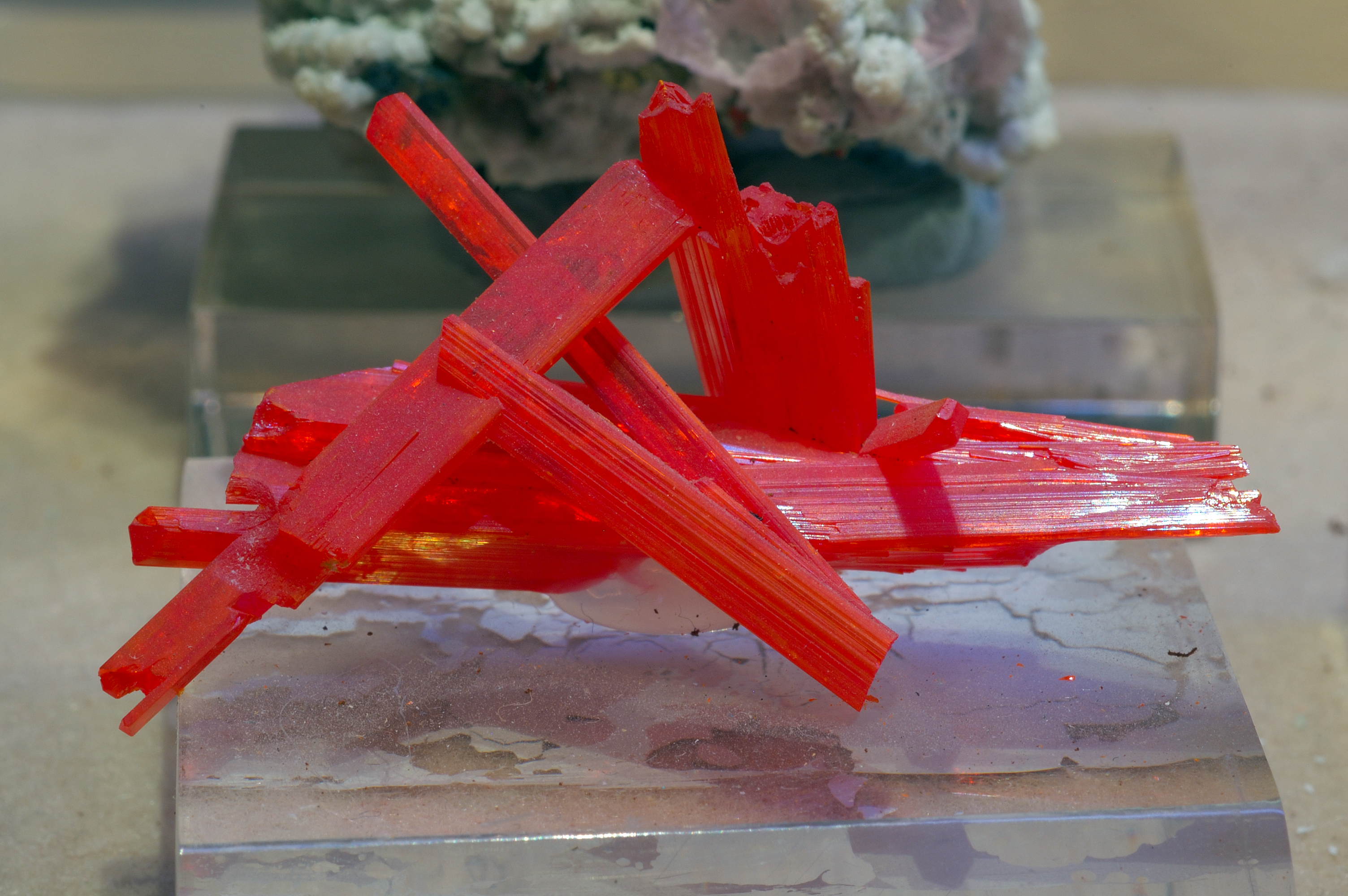
Lead chromate, chemical formula PbCrO4, is a chromate of lead with a vivid yellow colour. It does not dissolve in water, which is why it has long been used as a pigment in paint under the name chrome yellow; it has also been sold under many other names, including lemon yellow and king's yellow. It contains both lead and hexavalent chromium. In the nineteenth century it was used to give a bright yellow colour to some kinds of sweets, and lead chromate and white lead were once the most common lead-based paint pigments. A mineral form, crocoite, occurs naturally as orange-yellow crystals.
The Environmental Research study found that the yellow pigments sampled at the polishing mills had an average lead-to-chromium molar ratio of 1.3. Because the powder is rubbed onto the outside of whole dried roots, polished turmeric looks a brighter yellow than untreated turmeric, the effect that, according to the wholesalers the researchers interviewed, consumers' taste for yellow curries rewarded.
Turmeric, the crop and the spice
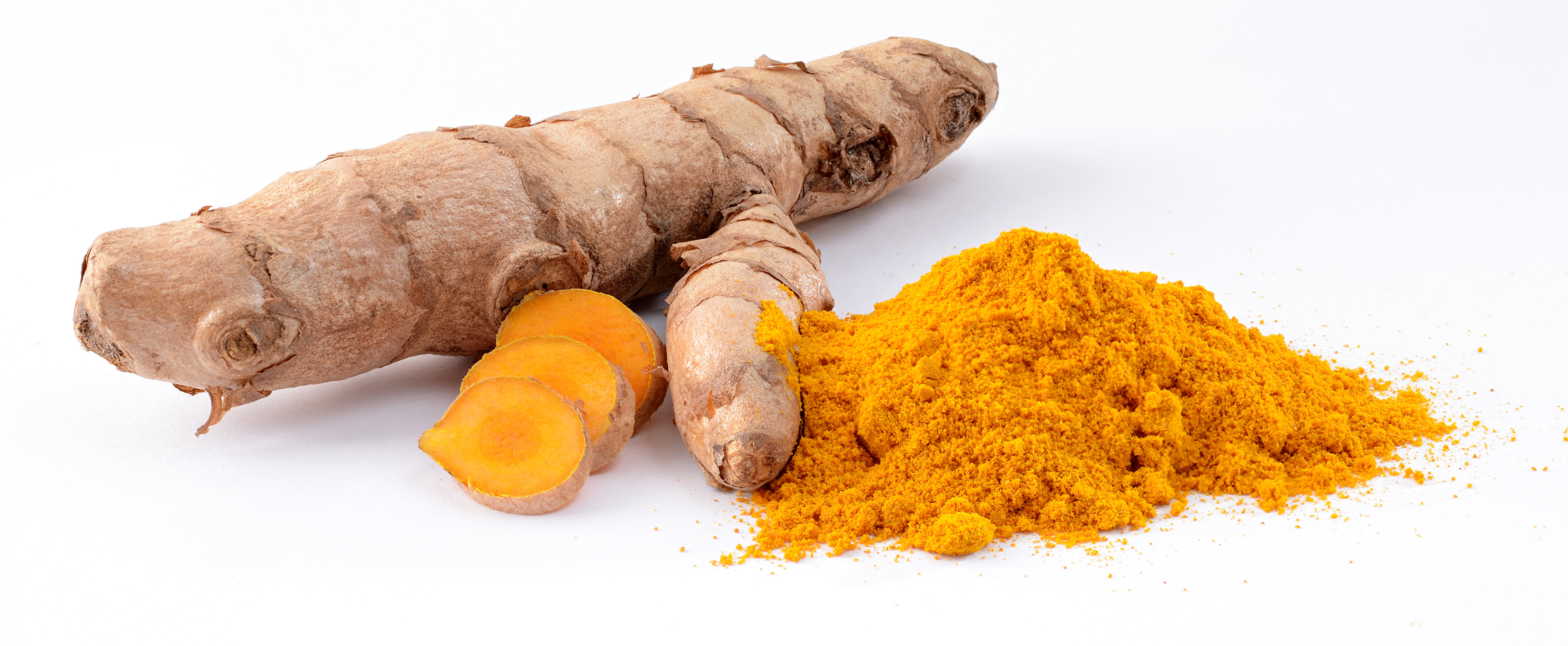
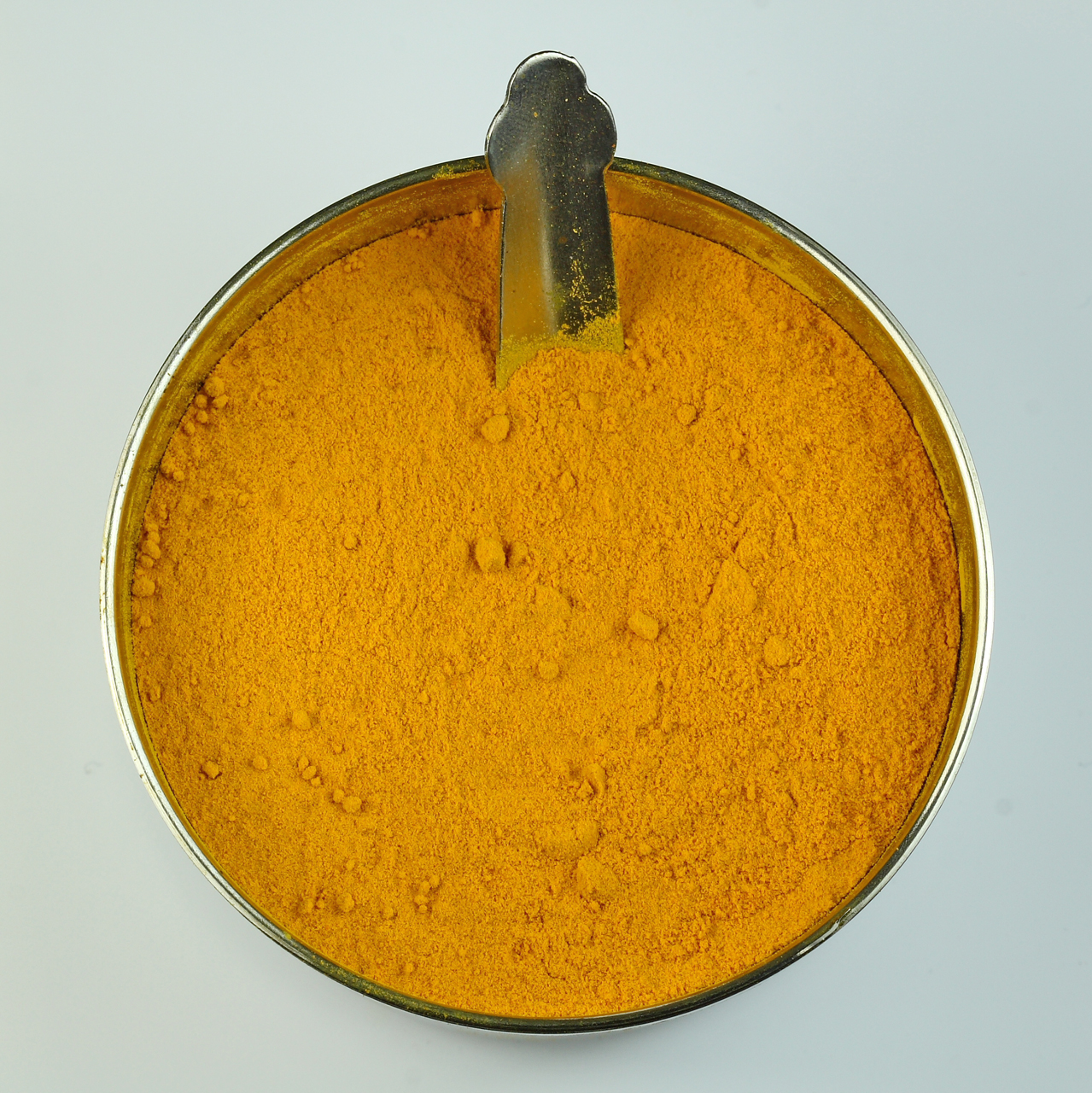
Turmeric is the plant Curcuma longa, a member of the ginger family, Zingiberaceae. It is a perennial herb, native to the Indian subcontinent and Southeast Asia, that grows from underground stems called rhizomes and needs temperatures between 20 and 30 degrees Celsius and considerable annual rainfall. Plants are dug up each year for their rhizomes, some kept for planting the following season and some for eating. The rhizomes are used fresh, or boiled in water and dried, and then ground into the deep orange-yellow powder used to colour and flavour curries across South Asia. The golden colour comes from a natural compound, curcumin, and turmeric is also used as a food colouring under the code E100.
Turmeric is grown in several districts of Bangladesh; the Environmental Research study counted nine major producing districts. In October 2017, for example, The Financial Express reported that the Department of Agricultural Extension in Bogura expected some 2,040 tonnes of turmeric that season, with farmers in the district bringing about 580 hectares under the crop against the department's target of 510 hectares. A sub-assistant agriculture officer told the paper that turmeric was easy to grow at a nominal production cost, and a wholesaler in Dupchanchia upazila said the previous year's turmeric was selling at Tk 3,400 to Tk 3,500 a maund.
Because buyers judge turmeric by the colour of the root, the quality of drying matters. The Stanford researchers suggested more effective and efficient drying technologies for turmeric processing as one way of removing the incentive to brighten dull roots with pigment.
Exports and checks abroad
The question of exports had been raised by the researchers themselves. Stanford reported that they did not find direct evidence of contaminated turmeric beyond Bangladesh, and that food safety checks by importing countries had pushed large-scale Bangladeshi spice processors to limit the amount of lead added to turmeric meant for export. However, they cautioned that "the current system of periodic food safety checks may catch only a fraction of the adulterated turmeric being traded worldwide". Since 2011, according to the university, more than 15 brands of turmeric, distributed to countries including the United States, had been recalled because of excessive lead.
The researchers recommended that import inspectors around the world screen turmeric with X-ray devices that can detect lead and other chemicals. In Bangladesh they planned to focus on shifting consumers away from contaminated turmeric and reducing the incentives for adulteration, working with producers, consumers and others concerned with food safety and public health. A team funded by the Stanford King Center on Global Development was looking for ways to reduce lead exposure from turmeric, battery recycling and other sources, including low-cost technologies to measure lead in turmeric and blood, and business opportunities for lead-free turmeric.
The law and the organisations involved
The Bangladesh Food Safety Authority was established under section 5 of the Safe Food Act 2013. The Act's chapter on safe food restrictions includes sections on the use of poisonous substances, on the excessive presence of radioactive substances and heavy metals in food, on producing, importing and marketing adulterated food, and on the use of food additives. The Act also provides for food courts, and for the jurisdiction of mobile courts, the instrument the BFSA chairman mentioned in October 2019.
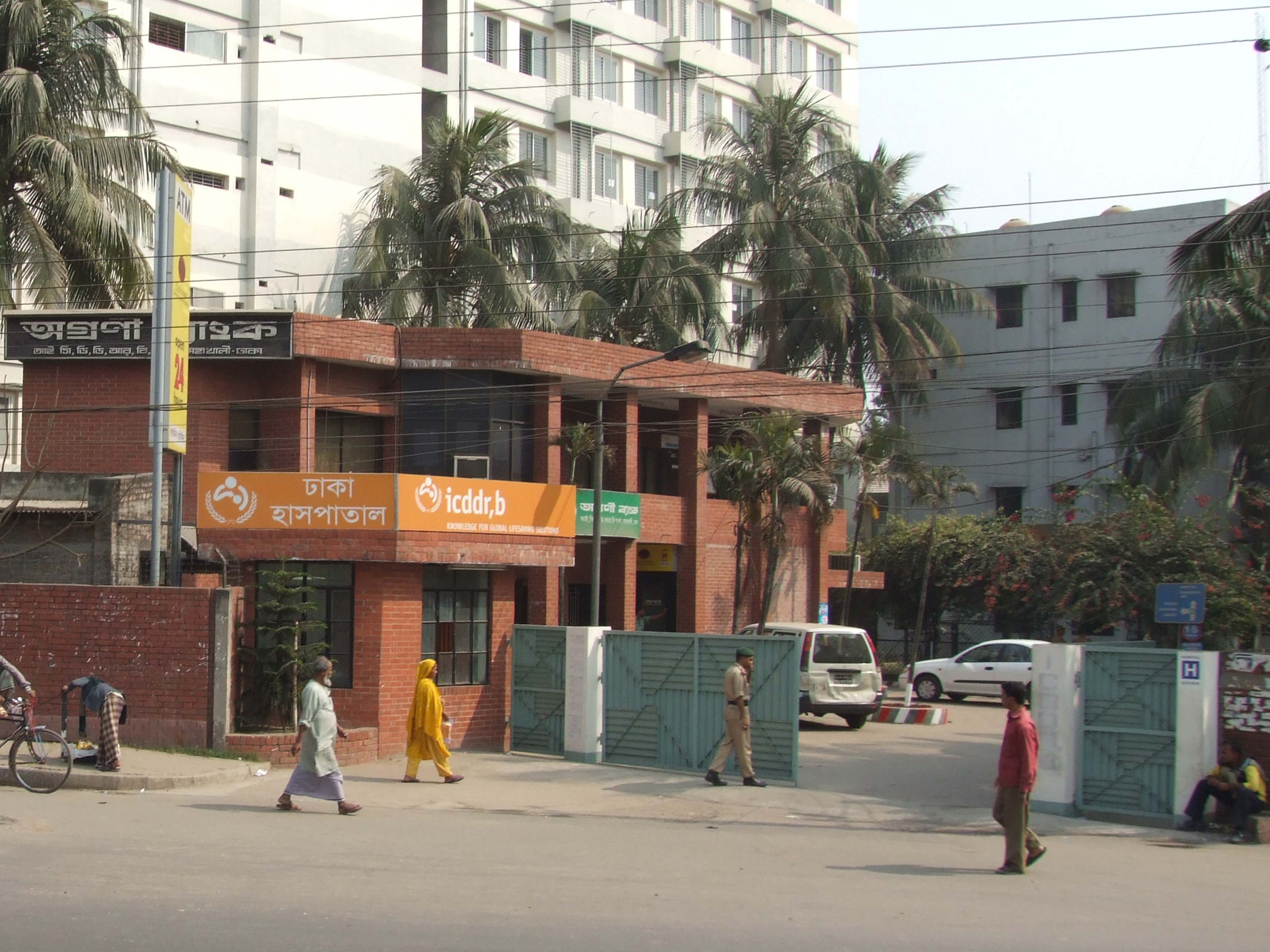
icddr,b, formerly known as the International Centre for Diarrhoeal Disease Research, Bangladesh, is an international health research organisation in Dhaka. It has its roots in the SEATO Cholera Research Laboratory formed in 1960 and was established in its current form by an ordinance that was ratified by parliament in 1979. It played a major role in the discovery and introduction of oral rehydration therapy for diarrhoea and cholera. In the 2019 turmeric studies its scientists worked alongside researchers from Stanford University's Woods Institute for the Environment and Center for Innovation in Global Health, and from Johns Hopkins University.
Photo: Simon A. Eugster / Wikimedia Commons (CC BY-SA 3.0). The top picture shows fresh turmeric rhizome and turmeric powder, as background.
Sources: BBC Bangla (4 November 2019), Stanford University ("Stanford researchers find lead in turmeric", 24 September 2019), Environmental Research (Forsyth et al., online 6 September 2019), Environmental Science & Technology (Forsyth et al., 17 September 2019), Bangla Tribune (2 October 2019), The Daily Star (27 October 2019), The Financial Express (25 October 2017), World Health Organization (Lead poisoning and health, 23 August 2019), Laws of Bangladesh (Safe Food Act 2013), Wikipedia (Turmeric, Lead(II) chromate and icddr,b, revisions of October 2019)
Comments
(0)