
The Executive Committee of the National Economic Council (ECNEC) approved the second revision of the Ministry of Agriculture's project "Nutrition Development through Production of Fruits round the Year" on Tuesday, 10 March 2020. The meeting was held at the NEC Conference Room in Dhaka's Sher-e-Bangla Nagar with Prime Minister and ECNEC chairperson Sheikh Hasina in the chair. According to a Jagonews24 report carrying BSS, the revised project was put at Tk 161.05 crore. The project, which aims to keep fruit on the table all year round, is implemented by the Department of Agricultural Extension (DAE).
The same meeting approved nine projects in all, worth Tk 24,113.27 crore together, including the Matarbari Port Development Project. The fruit project's first revision had been approved by ECNEC in February 2018.
Why a year-round fruit project
According to DAE figures cited in the report, the fruit produced in the country at the time met only 40 per cent of demand, and 60 per cent of it came in just four months, June to September. With little fruit available in winter, rural and poor people went short of nutrition, which also held back children's growth.
Banglapedia notes that some fruit is produced in Bangladesh throughout the year, but its weather and land suit summer fruit best. The main fruits, such as mango, jackfruit, litchi and pineapple, ripen in the "honey months" of early summer, while papaya and banana are available all year; the encyclopedia says mixed orchards can make fruit available round the year. The World Health Organization (WHO) advises adults to eat at least 400 grams of fruit and vegetables a day as part of a healthy diet.
What the project planned
Citing the Planning Commission, the report said the project began in July 2015 and was due to end in June 2023. It aimed to raise fruit production by 20 per cent by growing fruit with modern methods on uneven, hilly, unused and homestead land in the three hill districts and upazilas elsewhere. The work was to be carried out in eight divisions through the DAE's 74 horticulture centres. The plan included:
- Training for 1,100 batches of farmers, and training of various lengths for 1,000 batches of women farmers, nursery owners, gardeners and others involved
- 11,000 commercial mixed-fruit orchard demonstrations
- 4,500 commercial fruit orchards and 17,000 homestead fruit gardens
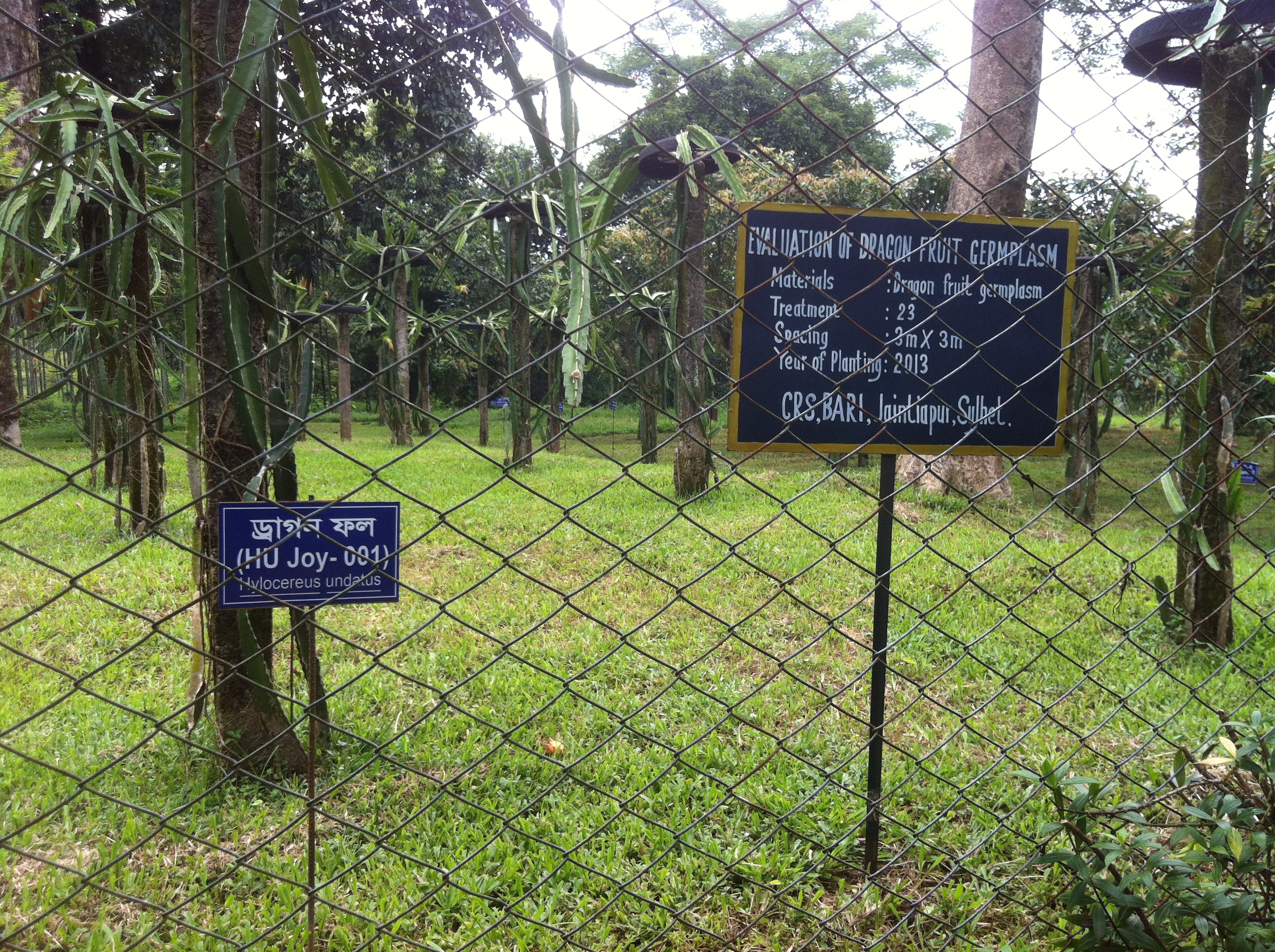
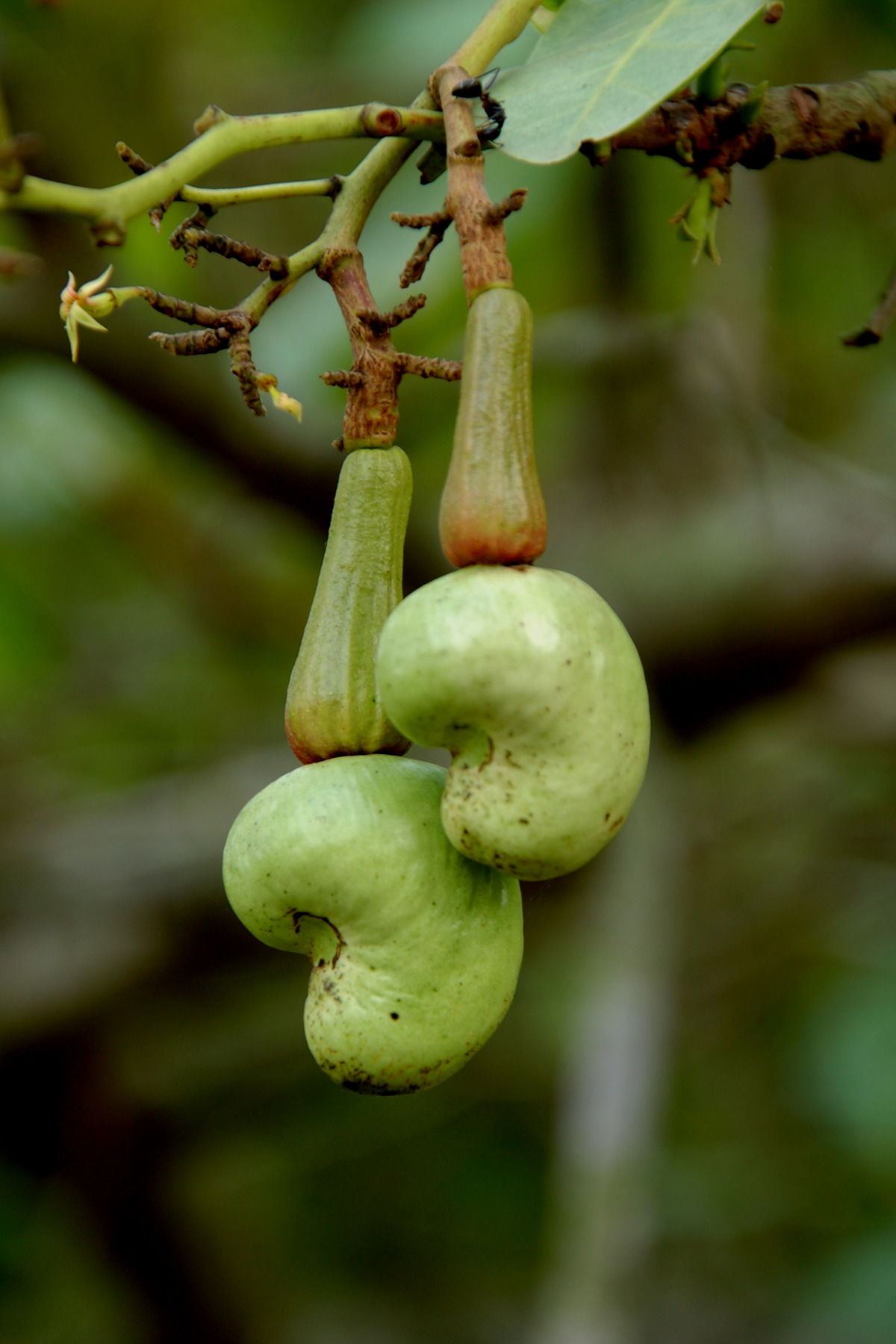
- 5,000 cashew nut gardens, 1,000 dragon fruit orchards and 1,288 orchards of foreign fruits
- 30,000 running metres of boundary wall
What the Planning Commission and the minister said
Md Zakir Hossain Akand, member of the Planning Commission's Agriculture, Water Resources and Rural Institutions Division, said: "By increasing production of local and foreign fruits, this project will help reduce import dependence and save foreign currency. It will also play an important role in developing farmers' technology and skills, empowering women and raising incomes."
Planning Minister M A Mannan said: "The country has plenty of fruit in the honey months, but not at other times. We are now growing dragon fruit and strawberries, and of course there are mango, jam and jackfruit. We want to find a way to bring these to our tables all year round." He also said that as fruit production had grown, imports of foreign fruit had fallen and sales of local fruit were rising.
Photo: SyedAminul / Wikimedia Commons (CC BY-SA 4.0)
Sources: The Agro News, Jagonews24 (BSS), Prothom Alo, Banglapedia, World Health Organization (WHO)
Comments
(0)