
Timor-Leste's Ministry of Agriculture, Livestock, Fisheries and Forestry (MALFF), with WorldFish and Australia's James Cook University, has launched a fisheries co-management training programme to build local capacity for managing the country's fisheries sustainably, WorldFish reports.
The first course, held from 5 to 9 October at the national fisheries and aquaculture institute in Maubara, Liquiça, brought together municipal fisheries officers, fishers and people from the fish value chain in Liquiça, Atauro and Oecusse. It was taught by local trainers who had just completed a training-of-trainers programme run by the three partners, so that the newly trained MALFF facilitators can help communities and municipalities draw up co-management plans that fit local needs.
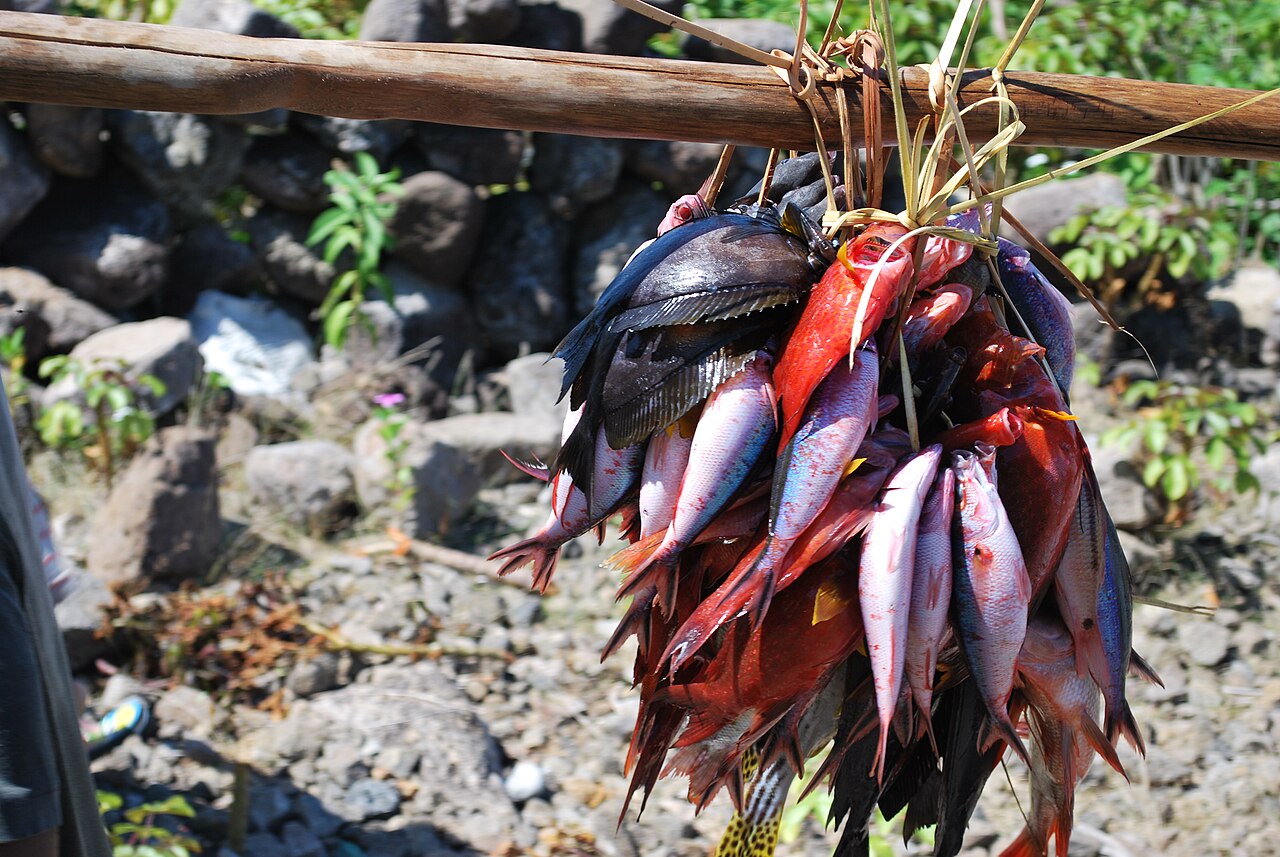
Fish and other aquatic foods are a key source of protein and micronutrients in Timor-Leste and support many coastal households; fish consumption by inland and urban households has doubled in the past 15 years, WorldFish says.
"Fishermen and women play an important role in the struggle against malnutrition," said Domingos da Conceição dos Santos, Secretary of State for Fisheries, who said working and deciding together makes the sector more resilient and inclusive. Mario Pereira, WorldFish's country representative, said co-management works best when communities, government and others share knowledge and responsibility for the resource.
The training is part of Ikan Adapt, a five-year partnership funded by the Global Environment Facility, implemented by the Food and Agriculture Organization of the United Nations and executed by WorldFish with MALFF, which uses nature-based solutions to make aquaculture and fisheries livelihoods more resilient to climate change.
Photo: David Palazón, Tatoli Ba Kultura / Wikimedia Commons (CC BY-SA 3.0)
Source: WorldFish
Comments
(0)