
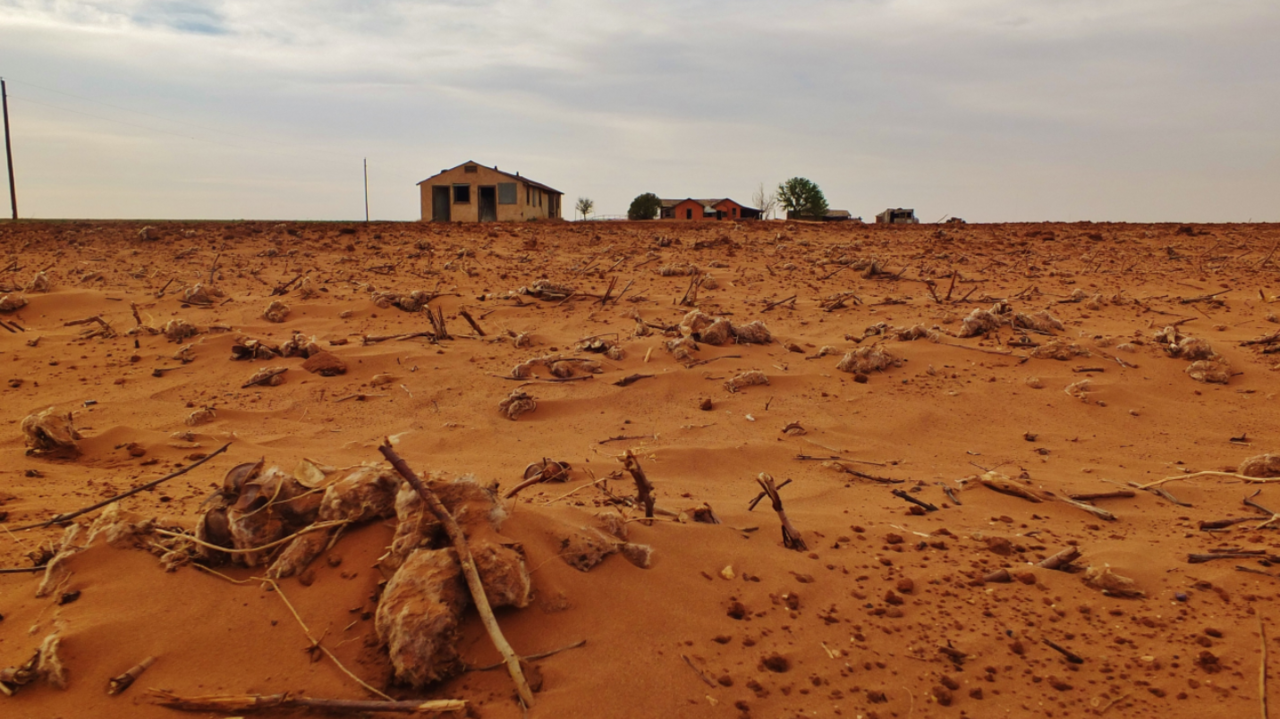
More than 90 percent of Texas is in some degree of drought and over a third of the state is in severe drought or worse, according to recent crop condition reports, and the damage is showing in the 2026 harvest. Dryland cotton has been hit hardest, with poor boll development, crop failures and insurance claims reported across many districts.
In the High Plains and Rolling Plains, temperatures repeatedly above 100 degrees Fahrenheit, strong winds and almost no rain have cut sorghum, cotton and forage yields, and some dryland fields have been abandoned. Agronomists warned that drought-stressed forage sorghum can accumulate compounds toxic to livestock and should be tested before grazing.
The Coastal Bend was the exception. Spring rain there carried corn, sorghum and cotton through the summer, cotton harvest went smoothly and yields were satisfactory, though growers are already worried about rebuilding soil moisture before next spring.
Rice districts had the opposite problem: cloud and rain during critical growth stages lowered yields and grain quality. The main crop is in and the ratoon crop is developing, with growers watching rice delphacid numbers, which predators have so far kept in check.
Wheat planting is being delayed by dry seedbeds and seed supplies are short after a poor production season. Pastures have stopped growing, hay is tightening, ponds are shrinking and some ranchers have begun culling herds and feeding supplement weeks earlier than usual, with cattle body condition beginning to slip.
Photo: NOAA / Wikimedia Commons (Public domain)
Source: Farms.com
Comments
(0)