
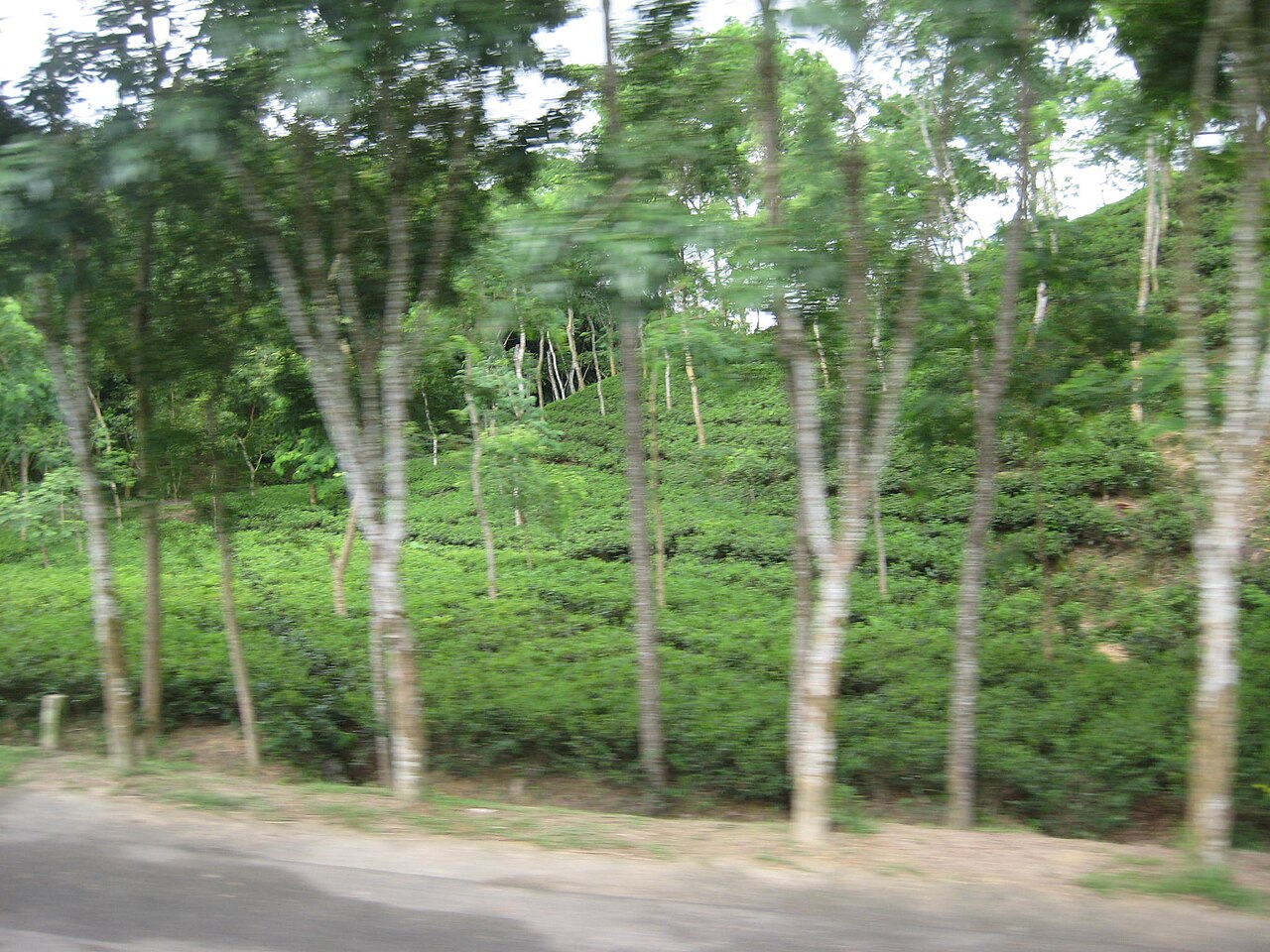
Disease and weeds are two of the main reasons tea yields fall in Bangladesh. Fungal, algal and other infections that are not caught in time leave bushes weak. A guide from the Agricare24 desk sets out the symptoms and remedies for the main tea diseases: black rot, blister blight, dieback, horse hair blight, red rust, gall disease, branch canker, collar rot, charcoal stump rot and violet root rot.
Black rot usually appears on mature leaves in the rainy season; the leaves turn brown, then black, and dry out. Infected leaves and pruning litter should be removed and excess shade reduced. Blister blight starts as small spots on young leaves and shoots that swell into blisters and then dry brown and black; it is treated with an approved copper-based or other suitable fungicide.
Dieback begins with brown spots on young shoots and slowly dries out the branch; affected parts should be cut away quickly and waterlogging and heavy shade avoided. Horse hair blight thrives in damp, heavily shaded gardens, where dark thread-like fungal strands appear on the bushes; keeping the garden clean and improving drainage are the remedy.
Red rust leaves red or orange rust-like patches on branches and stems; balanced fertiliser, removing waterlogging and an approved copper-based fungicide on affected areas control it. Gall disease causes tumour-like growths on branches and leaf stalks, and branch canker leaves deep wounds on branches and stems; affected parts are removed and the wounds treated with fungicide, while care is taken not to wound bushes needlessly.
Collar rot and charcoal stump rot attack the base and roots, and an affected bush can slowly die; infected bushes should be removed quickly and moisture and waterlogging controlled. Waterlogging also drives violet root rot, in which leaves yellow and wilt; affected bushes and their neighbours need to be watched.
Weeds compete with tea for water, light and nutrients and help pests and diseases spread. They should be cleared regularly by weeding, hoe or sickle. Where labour is short or areas are large, herbicides may be used, but only registered products at approved doses, and with special care on slopes. Agricultural specialists advise acting as soon as symptoms appear, keeping gardens clean and managing shade and drainage properly as the main ways to limit losses.
Photo: Sabila Enun / Wikimedia Commons (CC BY 3.0)
Source: Agricare24


Comments
(0)