
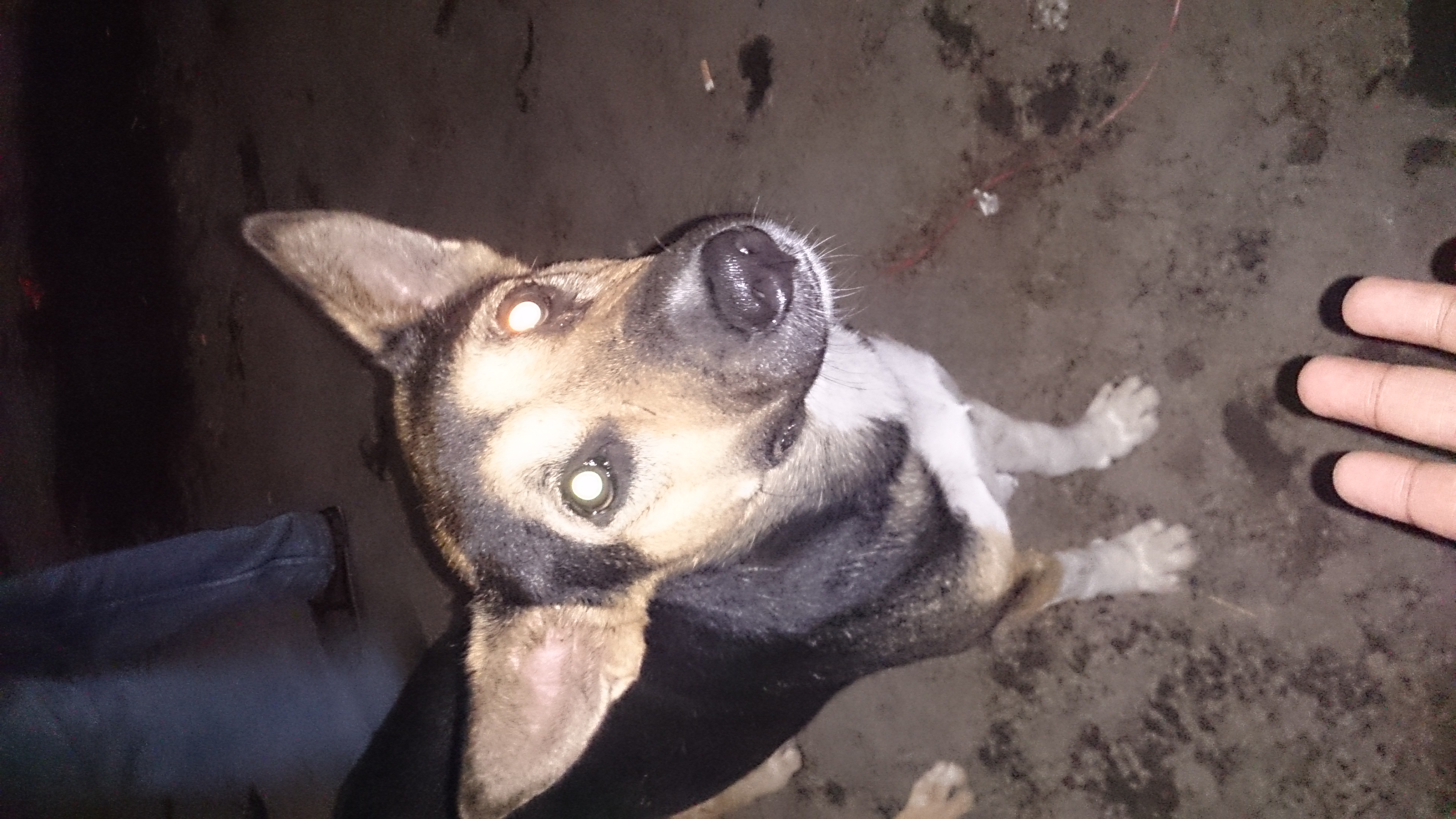
The Bangladesh Animal Welfare Association (BAWA) opened a "Free Animal Clinic" in Banani, in the capital Dhaka, on Wednesday, 11 February 2026. The clinic was inaugurated around midday by BNP chairman Tarique Rahman, who is the association's chief patron, according to reports published that afternoon by Jagonews24, the state news agency BSS, The Daily Star, Bangla Tribune and the news agency UNB.
The organisers said the clinic would give animals treatment, primary health care and necessary advice free of charge. People involved with the project told the event that it was an important step towards ensuring medical care for stray and helpless animals, Jagonews24 reported.
Where the clinic is and what it offers
Bangla Tribune reported that the clinic was set up in building number 18 on Road 24, the lakeside road, in K Block of Banani. The road runs along the lake that lies between the Gulshan, Banani and Baridhara areas of Dhaka.
According to BSS and The Daily Star, the BAWA authorities said the Free Animal Clinic would be open to the general public and their animals, and that it would provide advice on treatment, necessary treatment and health care. UNB, in a report carried by the Dhaka Tribune, quoted the organisers as saying the clinic aimed to make basic veterinary services accessible to animal owners who cannot afford the cost of treatment.
Speaking at the inauguration, Tarique Rahman expressed the hope that the initiative would play an important role in protecting the health and welfare of the country's animals, BSS reported. Bangla Tribune wrote that after the opening he went round the clinic's rooms and spoke to its doctors and other staff, asking about their needs for medicines, equipment and infrastructure. He also praised the work of the volunteers, the paper said, and left the clinic about half an hour later. The association's convener spoke at the event about how Tarique Rahman had cared for animals while he lived in London, according to the same report.
BSS reported that a member of the BNP media cell, senior leaders of the organising association and animal-rights activists were also present. None of the reports published on the day gave the clinic's opening hours, the number of veterinarians working there or how it would be funded, so those details are not included here.

The association behind the clinic
BAWA had appeared in the news several months before the clinic opened. On Saturday, 13 September 2025, it organised a daylong "Animal and Life Fair" at the Bangladesh-China Friendship Conference Centre in Dhaka, the English service of Banglanews24 reported that day. The report said Tarique Rahman, then the BNP's acting chairman, would join the fair virtually from London in the afternoon as chief guest.
The fair was open to all visitors from 10 am until the evening, and the report described it as the first event of its kind in Bangladesh. The organisers said it aimed to raise awareness of biodiversity conservation and to promote Bangladesh as a safe habitat for all animals and living beings. Visitors were given guidance on the treatment, diet and care of animals by the organisers and participants during the day.
The association has also taken part in cruelty cases. In a December 2025 review of animal-cruelty incidents in Bangladesh, The Daily Star wrote that after a woman in Adamdighi upazila of Bogura was reported to have killed a cat that had been taking food from her kitchen, a representative of the Bangladesh Animal Welfare Association lodged a written complaint at the police station. BAWA is one of several animal-welfare groups working in the country. The same newspaper mentioned others, among them the Obhoyaronno-Bangladesh Animal Welfare Foundation and the People for Animal Welfare Foundation, whose founder filed cases over the killing of dogs and cats in Dhaka.
Dhaka's street dogs: from culling to sterilisation
A free clinic open to stray animals arrives in a city with a long and difficult history of dealing with its street dogs. A study published in May 2015 in the journal PLOS Neglected Tropical Diseases, written by researchers from the Food and Agriculture Organization of the United Nations (FAO) and the Obhoyaronno-Bangladesh Animal Welfare Foundation, set out that history.
Until late 2011, the study said, mass culling of dogs was carried out in the major towns of Bangladesh in an unsuccessful attempt to control rabies. Between 2003 and 2008, 139,391 stray dogs were culled in five major towns (Dhaka, Khulna, Rajshahi, Sylhet and Tongi), and 80 per cent of them, 112,078 dogs, were killed in Dhaka City alone, yet rabies remained endemic.
After an advocacy campaign by the foundation against mass culling, the government backed a humane method of controlling the dog population and rabies in Dhaka. Mass culling of dogs in Dhaka City stopped in January 2012, and on 1 April 2012 the foundation signed a memorandum of understanding with both the Dhaka North and Dhaka South City Corporations to manage the city's dog population humanely through a programme called Catch-Neuter-Vaccinate-Release (CNVR).
The study described how that programme worked in its first two years. Before it began, four veterinary surgeons and four para-veterinarians were trained for two months, in September and October 2011, by Humane Society International (HSI) in India in humane dog catching, surgical sterilisation, post-operative care and dog surveys. Trained catchers caught free-roaming dogs by hand or with nets between 6.30 and 10 in the morning and took them by mobile van to a clinic at Boshila in Mohammadpur, ward 46 of the Dhaka North City Corporation; pregnant and nursing dogs were not caught, and owners brought their own dogs. Each dog was vaccinated against rabies and given an injection against internal and external parasites, and ownerless and community dogs were given a permanent V-shaped ear notch under anaesthesia so that treated dogs could be recognised. Surgery was finished by 2 pm so that the dogs could recover and be released back where they had been caught the same afternoon, and any dog that recovered slowly was kept and treated at the clinic. The authors noted that the work sometimes had to stop during political unrest and strikes, on public holidays and when drugs ran short.
The same study gave the first estimate of Dhaka's free-roaming dogs. Surveys in 18 city wards in January to March 2011 counted and marked dogs and then re-sighted them, and the researchers estimated that Dhaka City had about 18,585 free-roaming dogs, or 52 dogs per square kilometre, with one free-roaming dog for every 828 people. In 2012 and 2013, 6,665 dogs (3,357 male and 3,308 female) were neutered and vaccinated against rabies in 29 of the city's 92 wards. A pilot survey found an average CNVR coverage of 60.6 per cent, with only eight wards reaching more than 70 per cent, the level the World Health Organization (WHO) recommends to stop rabies spreading. The authors recommended mass dog vaccination in the areas CNVR had not yet reached.
The courts have also played a part. The Daily Star wrote in December 2025 that city corporations had culled street dogs for many years, but that in 2014 a court ordered the culling to stop after a writ petition by a non-government organisation. In January 2017, the paper said, Chattogram City Corporation began culling dogs in spite of the order, and animal-welfare groups protested and proposed sterilisation and rabies vaccination instead.
Rabies: why animal care is also public health
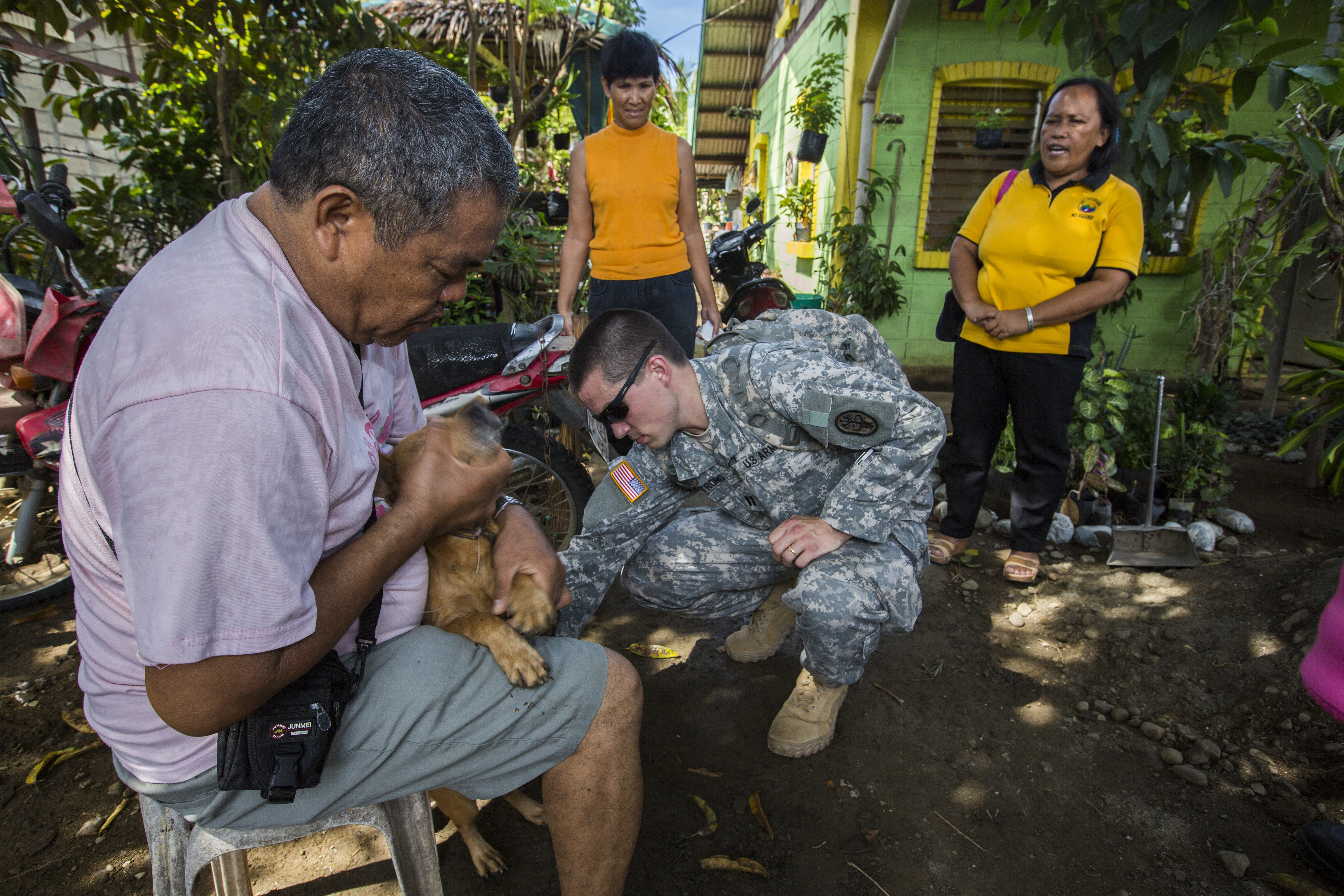
Rabies is the main reason the health of street dogs matters to people. The 2015 Dhaka study said rabies had been estimated to kill 2,000 to 2,500 people a year in Bangladesh, placing the country third in the world after India and China, and that an estimated 166,590 animal bites in people were reported each year. The Infectious Disease Hospital in Dhaka, the main referral centre for rabies, treated 350 to 450 dog-bite victims a day and recorded 1,152 human rabies deaths between 2004 and 2012. Livestock also die of the disease: a passive surveillance system recorded 3,425 rabies deaths in cattle, goats and sheep from 2010 to 2012.
The government launched the National Rabies Elimination Programme in 2011, according to a study published in July 2024 in The Lancet Regional Health (Southeast Asia) by researchers including officials of the Communicable Disease Control unit of the Directorate General of Health Services (DGHS) and the Department of Livestock Services (DLS). The programme combined public awareness, modern treatment of dog bites, mass dog vaccination and dog population management.
Mass dog vaccination began in 2011 in Cox's Bazar municipality and was later extended to at least one round in all 64 districts, the study said. The highest number of dogs vaccinated in a single year was 625,208, in 2019. The researchers estimated the country's dog population at 1,668,140. Each vaccination team had six members from different sectors: two expert dog catchers, a local dog catcher, a surveyor from the health sector, a vaccinator from the DLS and a porter from the local government, working by the catch-vaccinate-release method.
The study counted 879 human rabies cases reported in Bangladesh between 2011 and 2023. The highest number in that period was 106 cases in 2014; the lowest years were 2020, 2021 and 2022, with 26, 38 and 45 cases, and 45 cases were recorded in 2023. Cases were most common between November and February. The authors noted that cats, not only dogs, were a significant source of exposure in Bangladesh, at 12.11 per cent, and said scaling up dog vaccination remained a challenge for the budget. They concluded that if the downward trend continued, Bangladesh could make substantial progress towards the global goal of zero human deaths from dog-mediated rabies by 2030, known as "Zero by 30".
What the World Health Organization advises
The WHO fact sheet on rabies, in its version of 5 June 2024, said rabies is a vaccine-preventable viral disease of the central nervous system that is present on every continent except Antarctica. Dogs are responsible for up to 99 per cent of human cases, children between 5 and 14 are frequent victims, and the disease kills an estimated 59,000 people worldwide each year. Once clinical symptoms appear, rabies is virtually always fatal.
WHO said vaccinating dogs, including puppies, through mass vaccination programmes is the most cost-effective way of preventing rabies in people because it stops transmission at its source, and that culling free-roaming dogs is not effective in controlling rabies. Public education on dog behaviour, bite prevention, what to do after a bite and responsible pet ownership is an essential part of vaccination programmes.
For people, WHO grouped contact with a suspected rabid animal into three categories:
- Category I, touching or feeding an animal or a lick on intact skin: wash the skin; no post-exposure treatment is needed.
- Category II, nibbling of uncovered skin or minor scratches without bleeding: wash the wound and start vaccination immediately.
- Category III, bites or scratches that break the skin, or saliva on broken skin or mucous membranes: wash the wound, start vaccination immediately and give rabies immunoglobulin or monoclonal antibodies.
WHO advised extensive washing of the wound with soap and water for at least 15 minutes soon after exposure. In Bangladesh, according to the 2024 Lancet study, the National Rabies Prevention and Control Centre at the Infectious Disease Hospital in Dhaka is the main referral centre, and 66 public district rabies prevention and control centres, at least one in each of the 64 districts, give free post-exposure treatment to people bitten by animals. Anyone bitten or scratched by a dog, cat or other animal should see a doctor or go to the nearest such centre without delay.
The Animal Welfare Act 2019
The law in force on the day the clinic opened was the Animal Welfare Act 2019 (Act No. 12 of 2019), dated 10 July 2019, which repealed the Cruelty to Animals Act 1920. Its official text on the government's legal database, bdlaws, says it was made to prevent cruelty to animals, encourage kind treatment and ensure animal welfare through responsible care. It covers all mammals except humans, birds, reptiles and aquatic animals other than fish.
Section 4 makes every owner or keeper responsible for treating an animal humanely and refraining from cruelty. Section 6 lists acts that count as unnecessary cruelty, among them causing an animal to fall ill through an act or omission, overworking or needlessly beating it, denying it enough food and water, tying or confining it so that it cannot stand, sit or lie down naturally, releasing a sick animal into a populated area to die, inciting animals to fight, and keeping a dog tied or shut in for 24 hours or more without a chance to move about. The section exempts, among other things, the painless killing of an animal confirmed to have rabies when it is carried out by a government-approved body following World Organisation for Animal Health standards.
Section 7, the provision most relevant to street animals, says no ownerless animal may be killed or removed except for reasons set out in the Act, and that killing an ownerless animal is an offence. Section 11 makes it an offence to poison an animal knowingly. Section 14 lets the authority act to relieve an animal in distress and to seek help from the police, the fire service and local government to rescue it. Under section 15, an animal that is the victim of an offence may be seized and sent to a government veterinary hospital or the local authority for treatment and care.
Section 16 sets the penalties: up to six months' simple imprisonment, a fine of up to Tk 10,000, or both for offences such as cruelty and killing an ownerless animal; and up to two years, a fine of up to Tk 50,000, or both for mutilation and poisoning. Under section 18, a court can take up a case only on a written complaint from the authority, defined in the Act as the Director General of the Department of Livestock Services or a veterinary surgeon of the department authorised by him. Section 19 makes the offences non-cognisable and bailable, and section 20 allows trial by mobile court once the offences are added to the schedule of the Mobile Court Act 2009.
Lawyers and campaigners had questioned how well the law worked. In July 2025 a Supreme Court lawyer told The Daily Star that public awareness of the Act was very low, that because its offences are non-cognisable the police cannot arrest or investigate without a court's permission, and that the Act had not yet been added to the mobile court schedule. The founder of the Obhoyaronno foundation told the paper that there was no separate unit to enforce the law and that many cruelty cases were settled without trial. In December 2025 the paper reported that, under public pressure, police in many cases filed cruelty complaints under section 429 of the Penal Code 1860 instead, which allows immediate arrest.
Who may treat animals: the Veterinary Council Act 2019
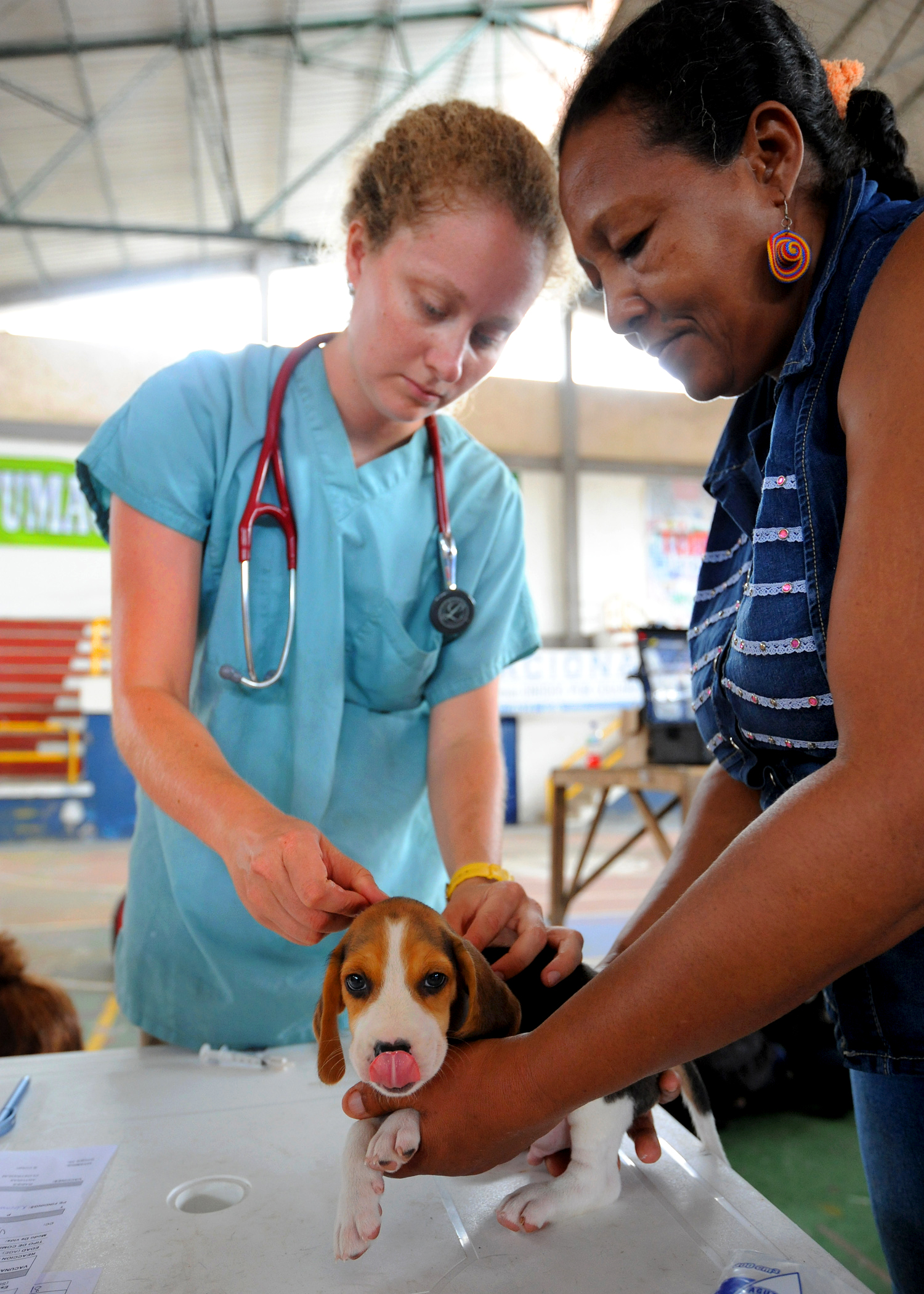
A clinic that treats animals works under a second law of the same year, the Bangladesh Veterinary Council Act 2019 (Act No. 13 of 2019), also dated 10 July 2019, which replaced the Bangladesh Veterinary Practitioners Ordinance 1982. It continues the Bangladesh Veterinary Council and defines a veterinarian as a person with at least a bachelor's degree in veterinary education from a university or institution recognised by the government. It also recognises paravets, who have passed the secondary school certificate in science with biology and a veterinary course of at least three years.
The Act defines veterinary practice broadly, including treatment, diagnosis, disease control, quarantine, artificial insemination, public health and advice on animal health. Section 17 says no one may practise veterinary medicine, or call themselves a veterinary doctor or veterinary practitioner, without registration and a certificate under the Act. The 2019 Animal Welfare Act in turn defines a veterinary surgeon as a veterinarian registered with the Bangladesh Veterinary Council and working under the Department of Livestock Services, or a registered veterinarian approved by the authority for the Act's purposes.
The government's veterinary service
Private and charitable clinics such as BAWA's work alongside the public veterinary service run by the Department of Livestock Services under the Ministry of Fisheries and Livestock. According to Banglapedia, the national encyclopedia of Bangladesh, the department provides veterinary coverage, development and extension services for livestock and poultry. Its work began in 1893 with the Civil Veterinary Department of the British government, when the Bengal Veterinary Institute and a veterinary hospital were also set up. After the partition of India it was reorganised as the Directorate of Animal Husbandry, East Pakistan, and in 1960 it was renamed the Directorate of Livestock Services. Its head office is at Pasusampad Bhaban on Krishi Khamar Sarak, Farmgate, Dhaka, and it is led by a Director General.
The department has several roles in the matters raised by the new clinic. Under the Animal Welfare Act its Director General, or a veterinary surgeon he authorises, is the authority that can bring cruelty complaints to court, and a government veterinary hospital is one of the places where a seized animal can be sent for treatment. In the national rabies programme described in the 2024 Lancet study, a DLS vaccinator served in every mass dog vaccination team, and district or upazila livestock officers led the one-day training of the dog catchers, surveyors and vaccinators before each campaign.
Photo: Sakibnb / Wikimedia Commons (CC BY-SA 4.0)
Sources: Jagonews24, BSS, The Daily Star, Bangla Tribune, UNB (Dhaka Tribune), Banglanews24, PLOS Neglected Tropical Diseases (Tenzin et al., 2015), The Lancet Regional Health (Southeast Asia) (Ghosh et al., 2024), World Health Organization, Animal Welfare Act 2019 and Bangladesh Veterinary Council Act 2019 (bdlaws), Banglapedia



Comments
(0)