
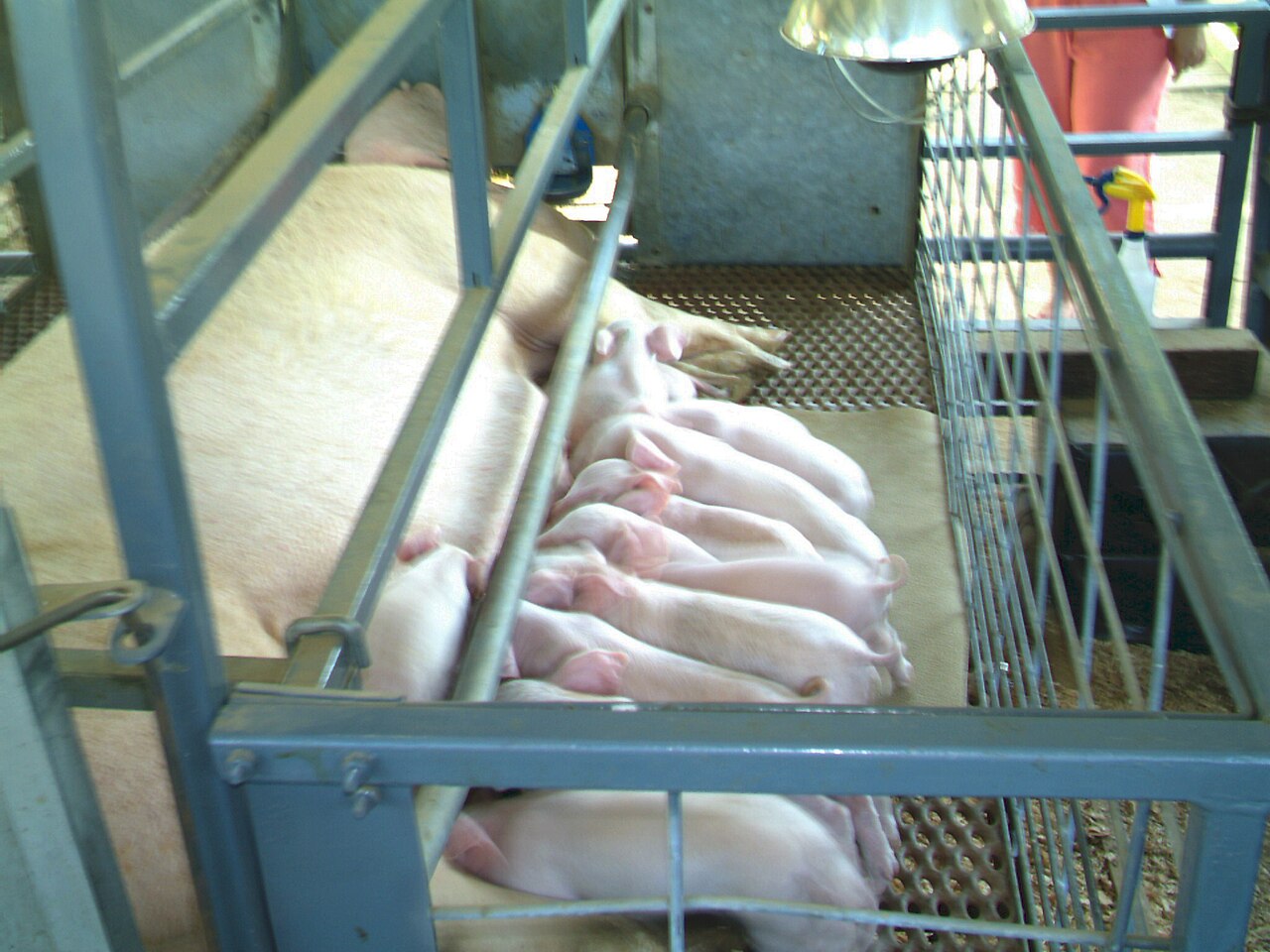
A Taranaki pig farmer is putting several million dollars into a new shed and a reworked farrowing system to keep his family's piggery ahead of tightening welfare rules and rising costs, RNZ's Country Life reported.
The 75-metre by 16-metre shed at Stanley Bros near Ōpunake, now well under way, will house up to 1,000 grower pigs and allow the rest of the 5,000-pig operation to be reconfigured, with temperature, lighting and ventilation controlled automatically. The farrow-to-finish business runs 500 sows and sends 240 to 260 grown pigs a week to the domestic market. Its 133-hectare farm grows silage, hay and maize for neighbouring livestock farmers on the pigs' manure alone.
Stanley Bros is among the 52 percent of New Zealand's commercial pig farms that keep pigs fully indoors; Taranaki's volcanic soils proved unsuited to outdoor sows, and indoor housing helped the farm stay viable against imported pork. Three years ago a $1 million upgrade of its four farrowing units added larger pens and nesting areas beside the crates.
New Zealand's welfare code will cut the time sows can spend in farrowing crates from a maximum of 33 days to seven, mandate moveable rails and raise the minimum space for grower pigs by 13.3 percent, all by the end of 2035. The rules follow a 2020 High Court win for welfare advocates that would have banned crates outright, superseded by the coalition government's 2025 easing with a ten-year transition.
Under the new system sows will be confined for the first three days after farrowing. Karl Stanley said he hoped the current nine percent piglet mortality rate would not rise, and that European experts had advised on the development, which adds floor space without adding production. "Probably the hardest part is we're competing with imported product that's not following the same standards," he said.
A 400-panel, 200-kilowatt solar farm installed two years ago powers the piggery from 9am to 5pm in summer and saves $75,000 a year; power is 10 percent of the farm's costs, and the family hopes to add wind turbines and batteries. The report, by Sally Round, was first published on rnz.co.nz and carried by Farmers Weekly NZ.
Photo: Alisha Vargas / Wikimedia Commons (CC BY 2.0)
Source: Farmers Weekly NZ
Comments
(0)