
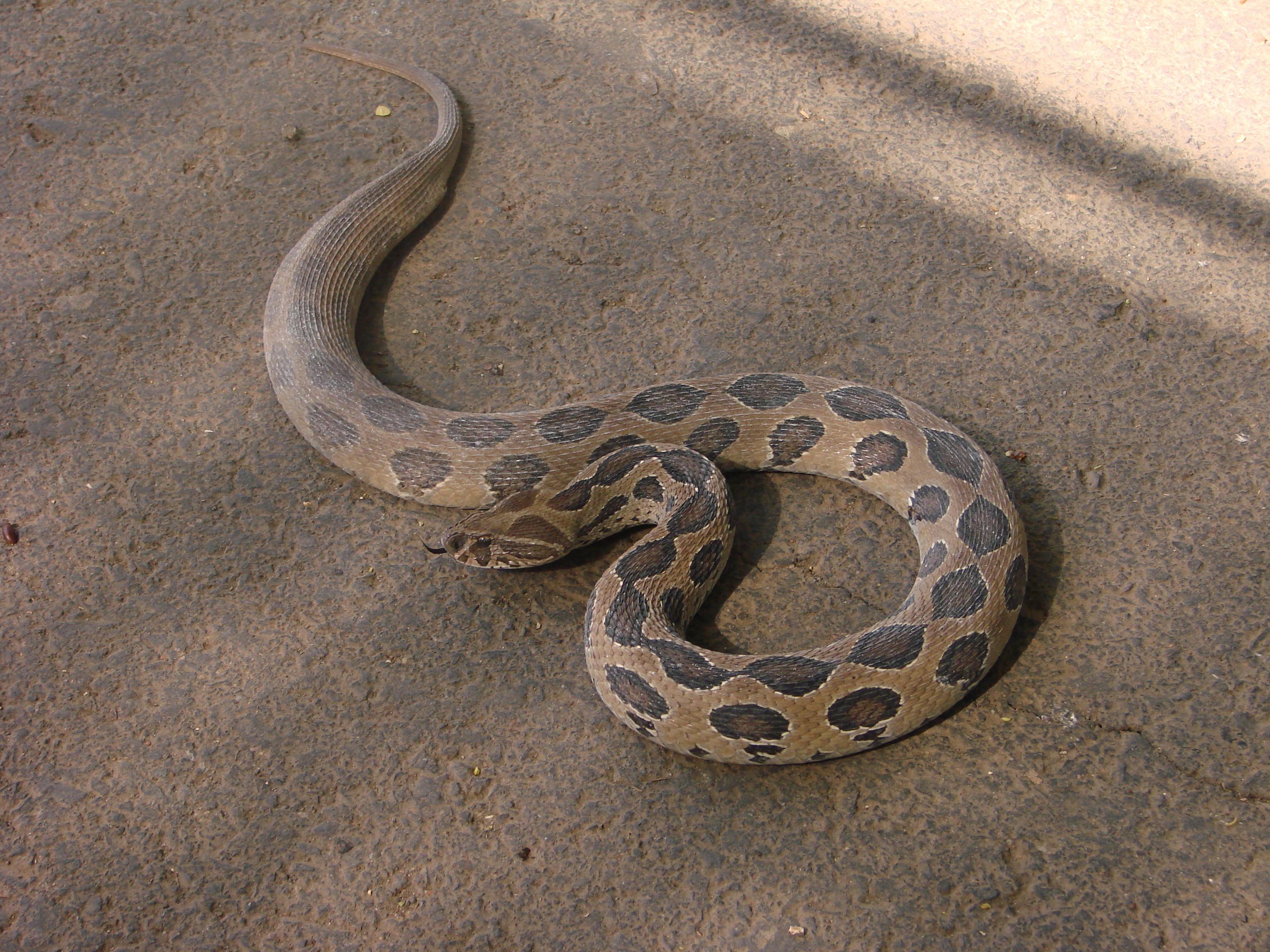
Hospitals in Tangail district admitted 535 people bitten by snakes in the seven months up to early September 2025, according to the Tangail civil surgeon's office. Of them, 461 recovered, 72 were referred elsewhere for better treatment, and two died at Tangail Medical College Hospital. Jagonews24 reported the figures on 4 September 2025. Relatives of both who died alleged the hospital had no antivenom for them and that they had to buy it outside.
Where the patients were treated
The largest number, 122, were admitted to Tangail General Hospital, followed by 98 at Sakhipur upazila health complex, 75 at Tangail Medical College Hospital and 64 at Kumudini Hospital in Mirzapur. The other upazila health complexes admitted between 38 (Madhupur) and 4 (Delduar).
The largest numbers of those who recovered and went home were at the General Hospital (122), Sakhipur (81), Tangail Medical College Hospital (73) and Kumudini Hospital (64); the rest went home from the other upazila health complexes.
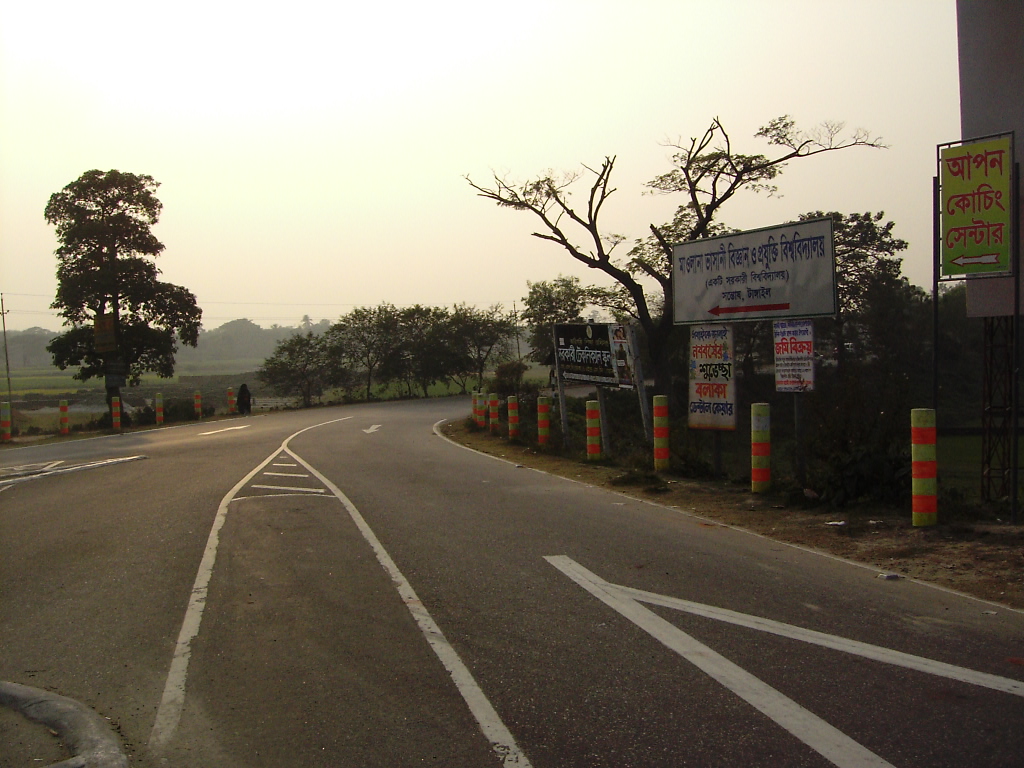
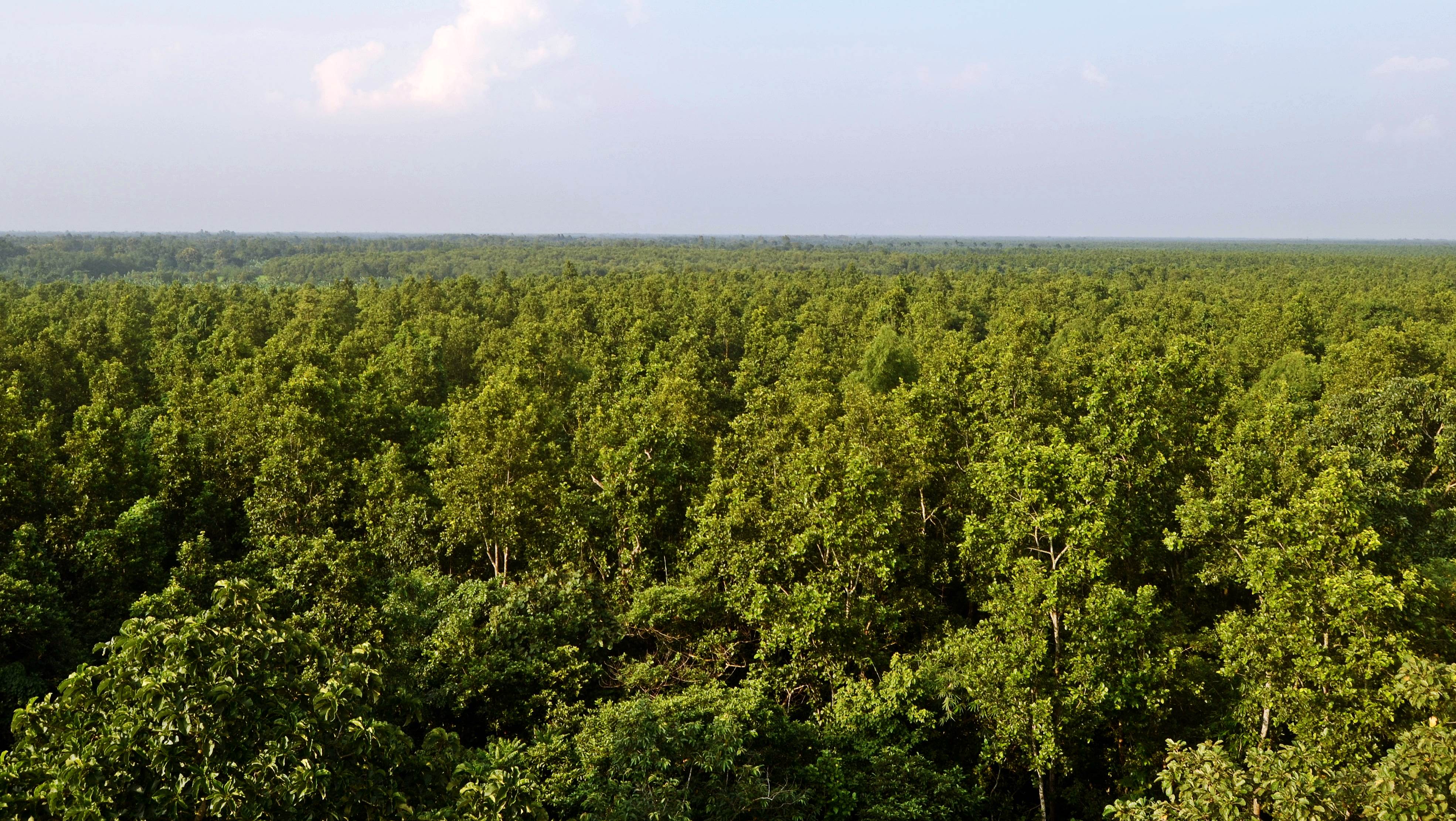
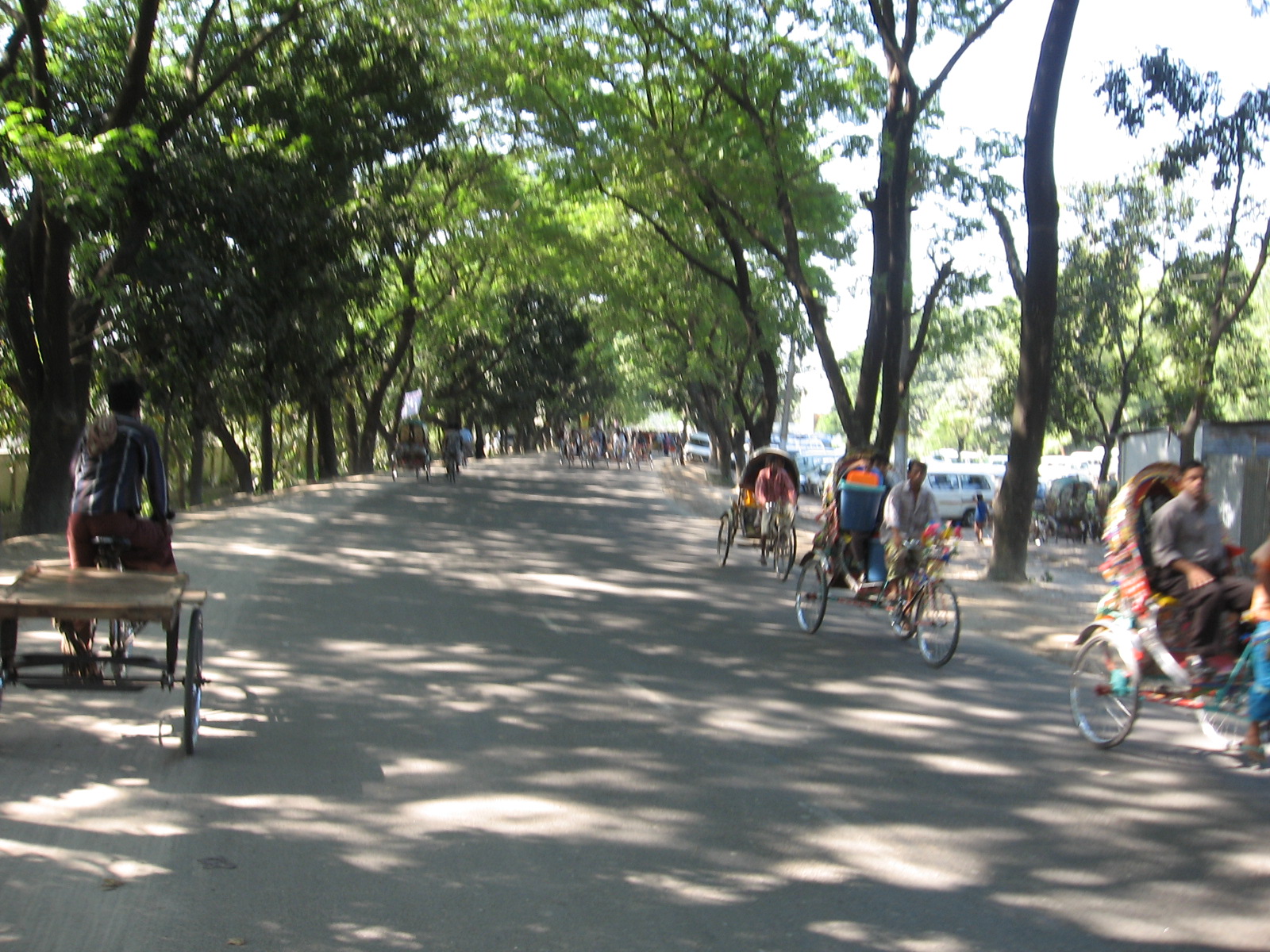
Tangail is a district of Dhaka Division covering 3,414.28 square kilometres, with 12 upazilas. The Madhupur sal forest lies within the district. Kumudini Hospital in Mirzapur was founded in 1938 by Ranadaprasad Saha and began operating on 27 July 1944.
Two deaths and the families' allegations
The two who died were Asma Khatun of Nagarpur upazila and Aminur Rahman of Bhuapur upazila, both patients at Tangail Medical College Hospital. Asma Khatun's daughter, Hamida Khatun, told Jagonews24 that the family admitted her mother on 11 June 2025 and that, right after admission, the doctor on duty wrote a note asking them to bring antivenom quickly. They bought it outside; the doctor gave the injection and put her on saline, and she died shortly afterwards.
Aminur Rahman was admitted to the same hospital that month. His brother-in-law, Parvez, said that two hours after admission doctors told the family there was no antivenom and advised them to buy it outside. They did, but Aminur Rahman was declared dead while it was being given.
Parvez alleged that two doctors at the hospital were part of a ring dealing in antivenom and that patients were sent to buy it outside even when the hospital had stock. He said the family bought the antivenom for Tk 14,000 from Dr Atikur Rahman of the same hospital, at an address another doctor had written down. Dr Atikur Rahman told Jagonews24 he had kept two Incepta injections at a pharmacy for his own needs, for whoever might face an emergency.
What the authorities said, and the antivenom supply
Dr Abdus Kuddus, director of Tangail Medical College Hospital, said the hospital had enough antivenom and that no doctor should mislead patients over it. Tangail's civil surgeon, Dr Foraji Muhammad Mahbubul Alam Manju, said 13 hospitals in the district held 345 units of snakebite antivenom and that he hoped there would be no shortage.
Bangladesh does not produce antivenom; it is imported from India and distributed to government hospitals, the Dhaka Tribune reported on 18 August 2025. The paper said the High Court had directed, on a public interest writ, that antivenom be supplied to all government upazila hospitals, and cited a 2022 Directorate General of Health Services survey recording more than 400,000 snakebite cases and nearly 7,500 deaths. In July 2024 it had found a 10-dose pack selling for about Tk 14,000 at private pharmacies near Dhaka hospitals.
WHO figures and first aid
The World Health Organization estimates that 5.4 million people worldwide are bitten by snakes each year, with 1.8 to 2.7 million cases of envenoming and around 81,410 to 137,880 deaths. Agricultural workers and children are the most affected, it says, and high-quality antivenoms are the most effective treatment. In June 2017 WHO listed snakebite envenoming as a highest-priority neglected tropical disease.
WHO's first-aid advice after a snakebite:
- Immobilise the bitten person and keep them from moving around at all.
- Carry them on a makeshift stretcher to medical care without delay; if possible, lay them on their side to help protect the airway and breathing.
- Do not use narrow tourniquets, cut the wound or limb, apply chemicals such as potassium permanganate, or use heated glass containers for suction: these are dangerous as well as ineffective.
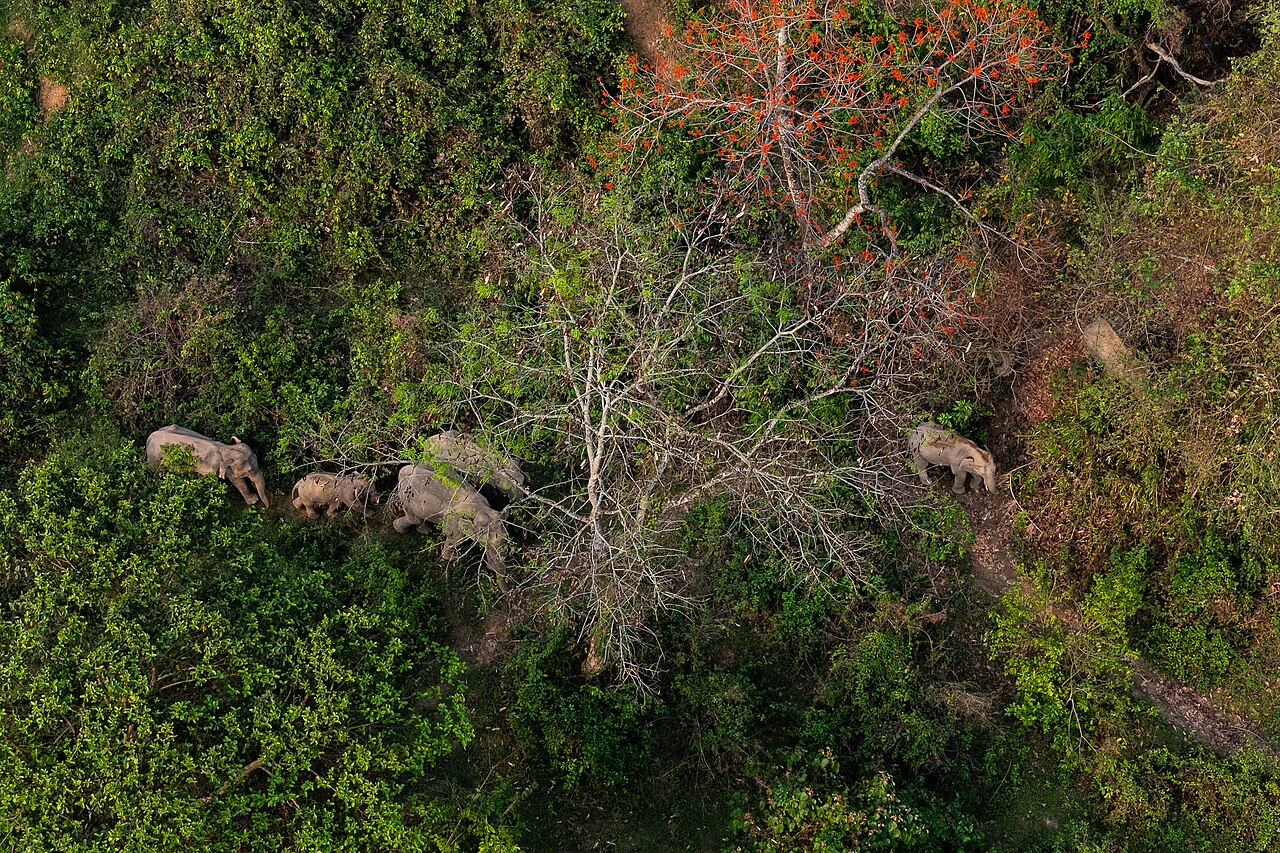
Photo: AChawla / Wikimedia Commons (CC BY-SA 3.0)
Sources: Jagonews24, Dhaka Tribune, World Health Organization (WHO), Wikipedia


Comments
(0)