
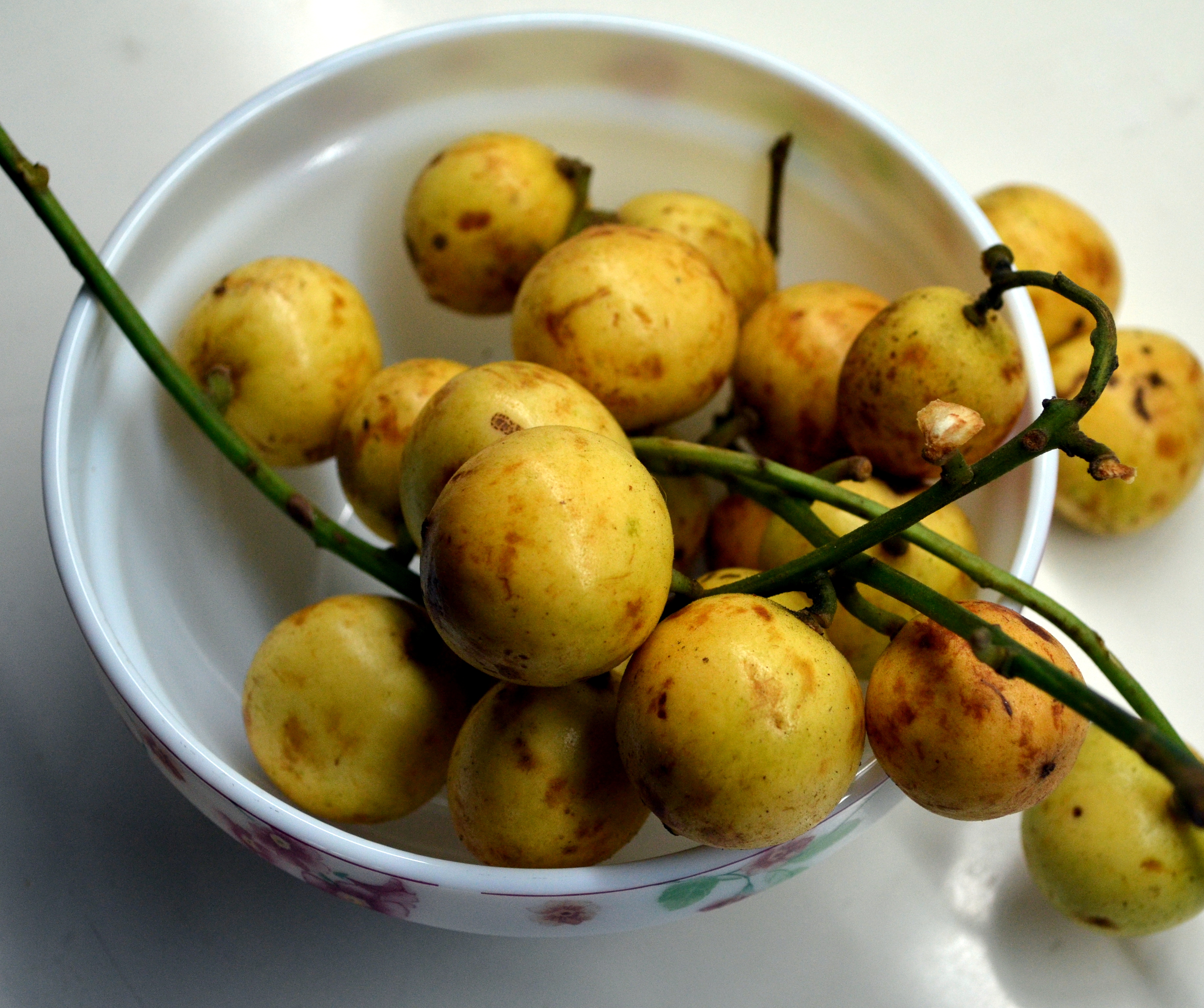
A retired agricultural science teacher in Ghatail upazila of Tangail had turned the land beside his home into a commercial lotkon orchard, Jagonews24 reported on 25 July 2024. Shamsul Alam of Rasulpur, a hilly village in Ghatail, had sold Tk 5 lakh worth of the fruit the previous year from about 2,500 fruiting trees, and with a good crop and brisk sales in the 2024 season he hoped the sum would double. Lotkon was not widely grown in the area, which is why his harvest drew attention.
Shamsul Alam had taught agricultural science at Ghatail Saleha Yusufzai Girls' High School. He told the paper that lotkon farming held real promise: some capital was needed when the orchard was planted, but looking after the trees cost little. A Prothom Alo report on the same orchard, published on 28 June 2024, added that he had retired from the school the year before.
From Narsingdi seeds to a 7.5-acre orchard
Shamsul Alam said he went to Narsingdi in 2014, the district best known for lotkon, saw the orchards there and talked to the growers. He collected seeds, raised his own seedlings and planted them on seven and a half acres next to his house. Five or six years later some of the trees began to bear fruit. More than 2,000 of the trees turned out to be male and had to be cut down. At the time of the report, 2,500 trees in the orchard were bearing fruit.
He said it takes about ten years after planting for a tree to reach its full size, and production keeps rising after that. "When I first planted the orchard, many people discouraged me. Many said it would not yield well in our area. But I did not give up. I have proved that lotkon can be grown here. Lotkon needs little care, so production costs are low," he said.
The orchard had been in the news a year earlier. On 14 August 2023 the television channel SATV described a teacher of Rasulpur in Ghatail who had begun growing lotkon about eight years before as a hobby that had become a commercial venture, with about 2,500 trees on seven acres that had started to fruit that year. Visitors came to see the orchard every day, the channel reported; he was selling grafted seedlings raised in the orchard to new growers, and local farmers were becoming interested in the crop.
Traders buy at the orchard gate
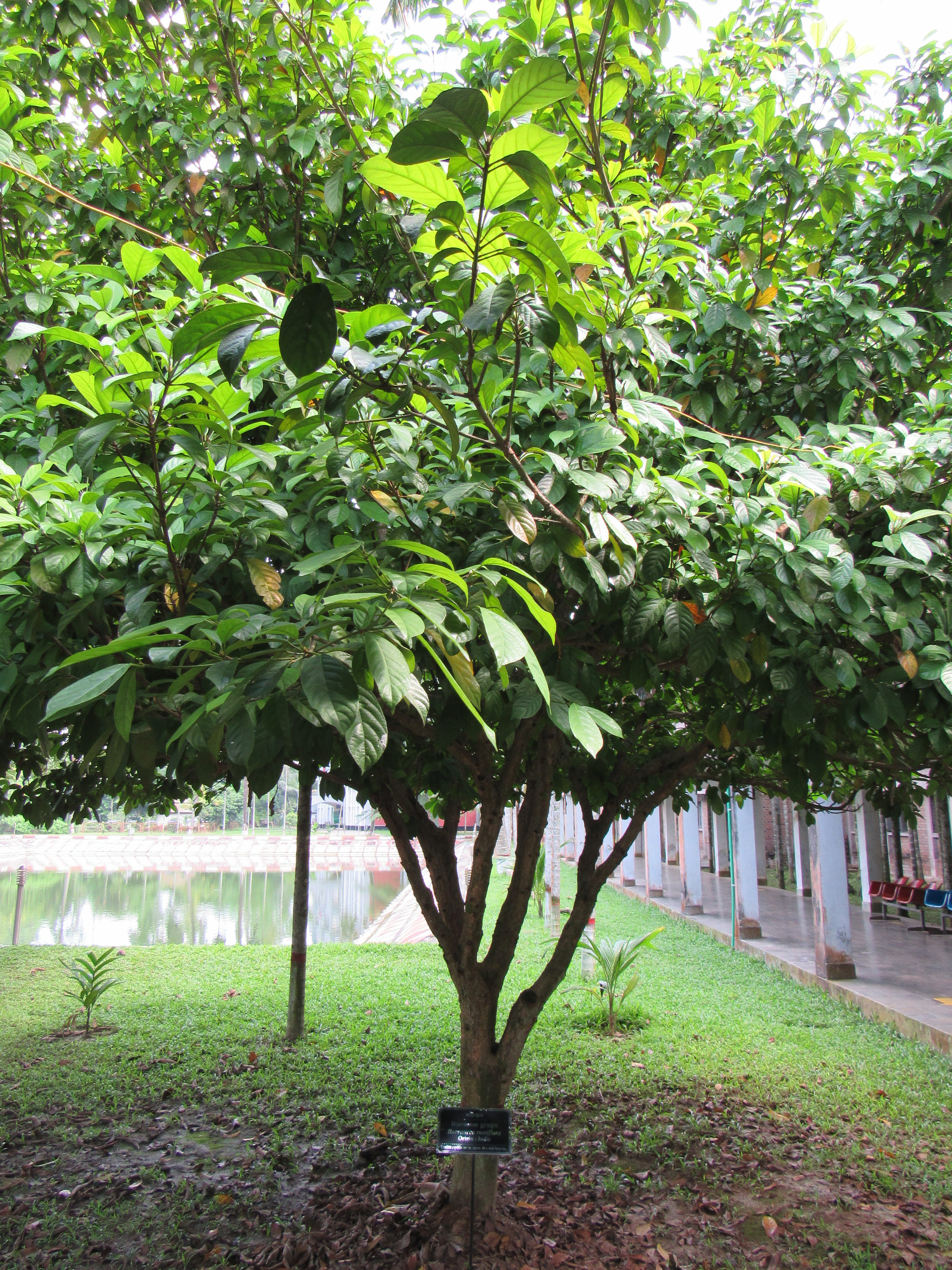
On the reporter's visit in July 2024, lotkon hung in clusters on every tree. Fruit traders came from different areas to buy; they went into the orchard and picked as much as they wanted, while Shamsul Alam sat in front of his house, weighed the fruit and sold it wholesale.
Saiful, a fruit trader from Tangail, said: "The lotkon from this orchard is as tasty as Narsingdi's. I bought it at Tk 70 a kg, and transport costs another Tk 5 a kg. I sell this lotkon in Tangail at Tk 130-140 a kg."
Sharif, a fruit trader from Ghatail, said: "Bringing lotkon from Narsingdi costs a lot in transport. Now high-quality lotkon is grown close to home. I started selling lotkon from Shamsul Alam's orchard last year. In the season I sell two or three maunds every other day. Traders from neighbouring districts and upazilas come to buy lotkon from his orchard."
Prothom Alo's June 2024 report described the same trade. A fruit trader from Gopalpur upazila told that paper he bought at Tk 70 a kg and sold in Gopalpur at Tk 130-140, and found the fruit tastier than Narsingdi's; a trader from the Gangair area of Madhupur said he bought from the orchard regularly because it saved the cost of bringing the fruit from Narsingdi. In August 2023, SATV had reported that the orchard's lotkon was selling in local markets at Tk 60-70 a kg.
Officials see room for commercial growing
Md Kabir Hossain, deputy director of the Department of Agricultural Extension (DAE) in Tangail, told Jagonews24: "The soil in this area is suitable for lotkon. The agriculture department is advising Shamsul Alam and giving him all-round support. There is potential for growing lotkon commercially in this area."
Prothom Alo quoted the Ghatail upazila agriculture officer as saying that the soil of the area suited lotkon and that the agriculture department had helped the grower with advice. The president of the district's cooperative society of safe fruit and crop producers told the paper that the hilly areas of Madhupur and Ghatail held good prospects for lotkon, and that the crop needed no chemicals, which kept costs down.
The crop was still small in the district. SATV, citing the agriculture department, reported in August 2023 that lotkon was grown on 20 hectares in Tangail district that year.
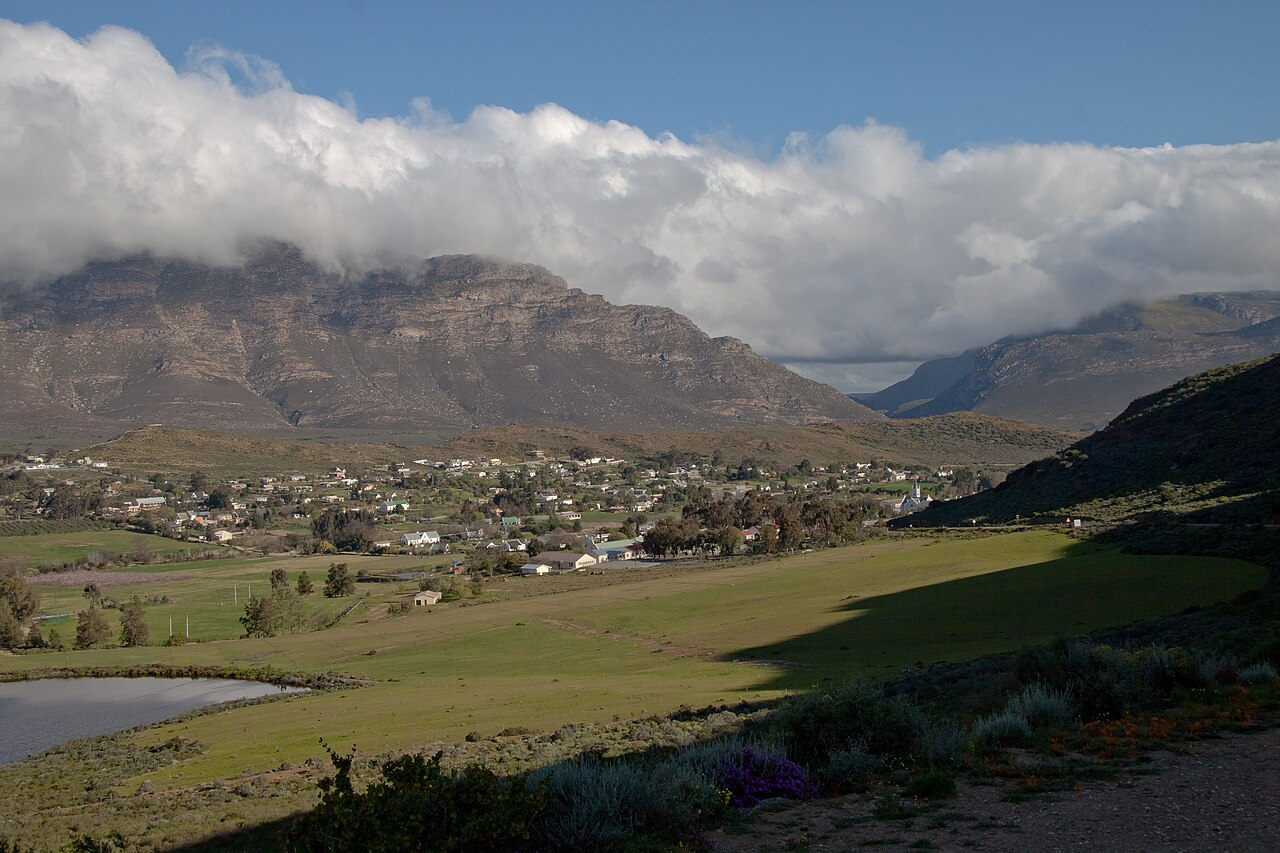
Ghatail, on the edge of the Madhupur Tract
Ghatail is one of the upazilas of Tangail district. Banglapedia, the national encyclopedia, gives its area as 451.30 square kilometres and its population at the 2011 census as 417,939. It is bounded by Gopalpur and Madhupur upazilas on the north, Kalihati and Sakhipur on the south, Fulbaria and Bhaluka on the east, and Bhuapur and Gopalpur on the west. Its main rivers are the Bangshi, the Jhenai and the Lohajang. Ghatail thana was formed in 1961 and became an upazila in 1983. Of its eleven unions, Rasulpur is the largest, at 22,308 acres.
Tangail itself is a district of Dhaka division covering 3,414.35 square kilometres, with 3,605,083 people at the 2011 census. It became a sub-division in 1870 and a district in 1969, and of its twelve upazilas Ghatail is the largest. Its main rivers are the Jamuna, the Dhaleshwari, the Lohajang, the Bangshi, the Turag and the Jhinai, and agriculture is the main source of income for 57.28 per cent of its households, according to Banglapedia.
Farming is the backbone of the upazila: Banglapedia puts agriculture as the main source of income for 64.75 per cent of households. Its main crops are paddy, jute, sugarcane, mustard, pulses, ginger, nuts and vegetables, and its main fruits are mango, jackfruit, pineapple, papaya, banana, black berry and watermelon; lotkon is not on the list. Pineapple, jute, watermelon, banana and paddy are named as its main exports to other areas, and Deopara, Dhalapara and the Sagardighi hills are listed as its places of interest.
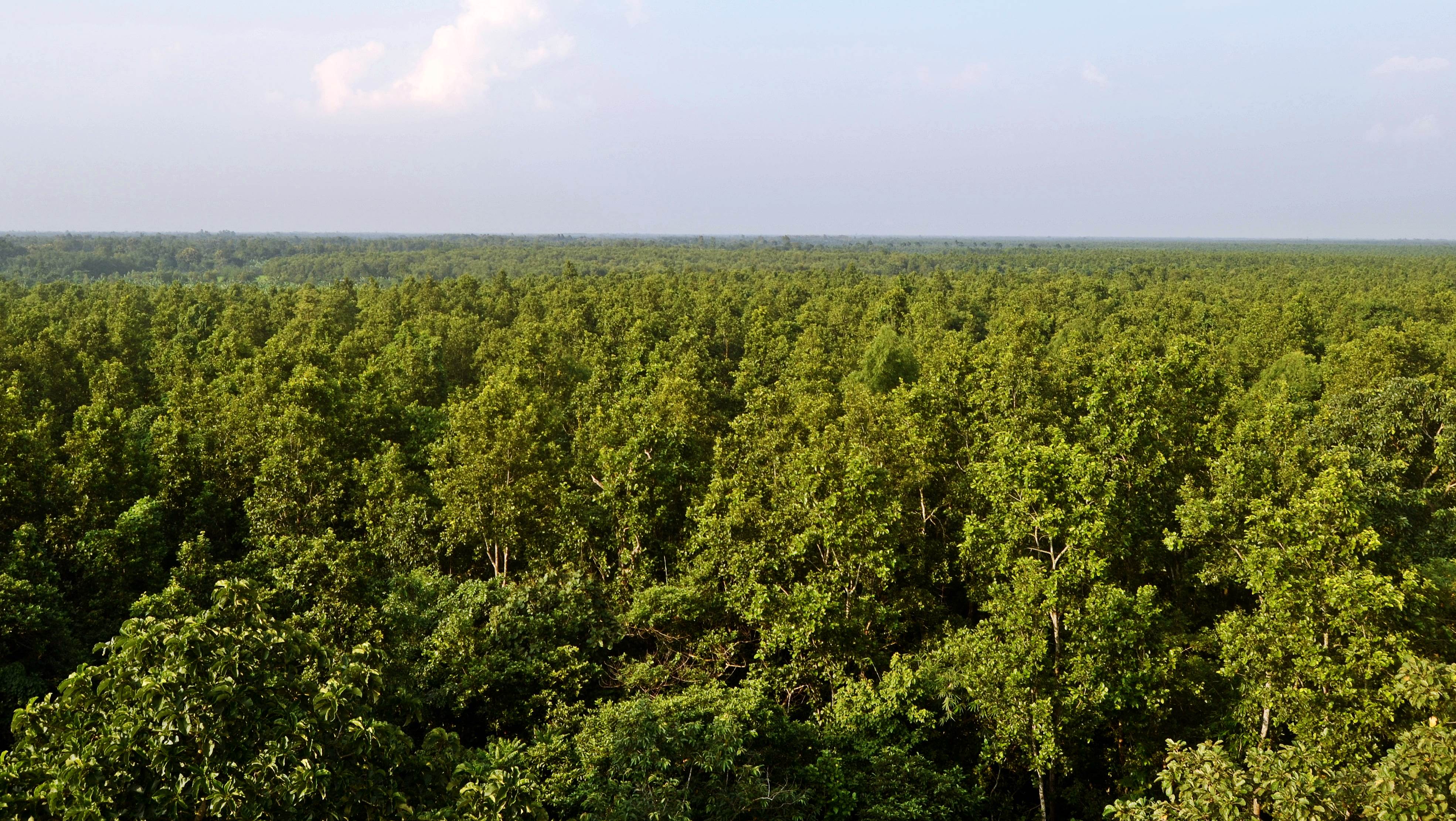
Ghatail's hill country lies on the Madhupur Tract, the large upland area in the centre of the country. Banglapedia describes the tract as a terrace one to ten metres above the surrounding floodplains, covering 4,244 square kilometres; its northern part is known as Madhupur Garh and its southern part as Bhawal Garh. It has been uplifted several times, and the fault traces along its western side can be seen clearly near Ghatail and Madhupur. Annual rainfall ranges between 1,000 and 1,500 millimetres.
The soils of the tract have formed largely on the Madhupur Clay, a highly weathered, reddish brown deposit; they are nutrient poor, somewhat acidic and red or brown in colour. The higher land is called chala and the valleys baid. The valleys are cultivated with boro rice in the dry season, while many chala are known for jackfruit gardens, and pineapples are grown extensively in Madhupur. Most of the tract was once covered by sal forest; Banglapedia notes that, after illegal felling, only about 600 square kilometres of forest remained, with Madhupur National Park in the north among the places where something of the original forest survives. Two indigenous peoples, the Koch and the Mande (Garo), live on the tract and depend on these forests. In the agro-ecological zoning of Bangladesh, which Banglapedia sets out on the basis of a 1988 FAO and UNDP report, the Madhupur Tract is zone 28, whose major soils are deep and shallow red brown terrace soils and acid basin clays: strongly acidic, low in organic matter, low in moisture-holding capacity and low in fertility.
What lotkon is
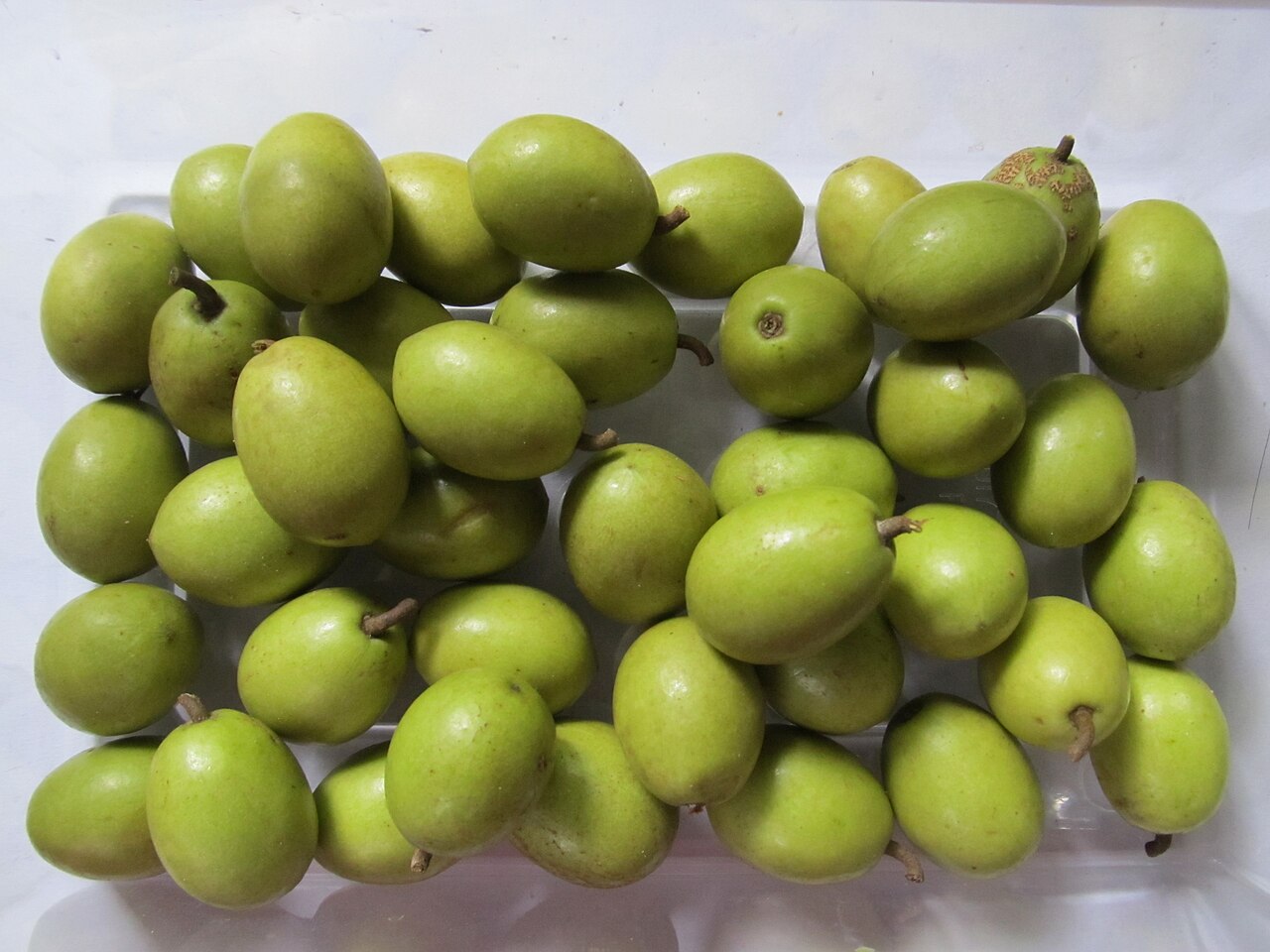
Banglapedia counts latkan, known in English as Burmese grape, among the minor fruits of Bangladesh that are found in the wild and are also cultivated. It notes that May, June and July are the fruit-festival months of Bangladesh, when almost all major and minor fruits ripen; the Ghatail orchard was being harvested in July.
Scientists do not all use the same name for the fruit. Bangladeshi researchers who studied it at Pirujali in Gazipur in 2017-18 called it Baccaurea ramiflora; Indian researchers writing in the Bangladesh Journal of Botany in December 2023 used Baccaurea sapida; and reference works also link the Bengali name lotkon to Baccaurea motleyana, the rambai, which is native to Thailand, Peninsular Malaysia, Sumatra and Borneo and is cultivated for its fruit in India and Bangladesh. Baccaurea ramiflora is native to a range that includes Bangladesh, India, Nepal, Myanmar, southern China and South-East Asia; it is a slow-growing evergreen tree that can reach 25 metres, and its fruit is 2.5 to 3.5 centimetres across, yellowish to pinkish or red, with two to four large seeds wrapped in a white aril.
The December 2023 study, by Nilesh Bhowmick and Saurabh Pradhan of Uttar Banga Krishi Viswavidyalaya in West Bengal, described the plant as a slow-growing, evergreen, shade-loving tree of short to medium height. It bears its flowers and fruit directly on the trunk and older branches, a habit botanists call cauliflory, which is why the fruit hangs in bunches along the stems. The edible part is the aril, three or four segments per fruit, inside a leathery rind. In the trees they studied, flower buds formed in February, flowers opened in the first half of March, and fruits matured 94.5 to 105.25 days after setting. Yields ranged from 9.97 kg to 85.36 kg per tree, and the tree shows mild alternate-year bearing. Besides being eaten fresh, the fruit can be made into wine, juice and jam.
Why so many trees had to be cut
The loss of more than 2,000 male trees in the Ghatail orchard comes from the plant's biology. Lotkon is dioecious: male and female flowers grow on separate trees, and the fruit forms from the female flowers. Shamsul Alam's orchard was raised from seed, and more than 2,000 of its trees turned out to be male as they grew.
The 2023 study noted that the crop is usually grown with little care in homesteads and raised from seed, which creates wide variation among trees; the plant is highly heterozygous, and no named varieties or cultivars of it were recorded worldwide. In the trees studied, male and female flowers opened at the same time, and the authors linked the high initial fruit set to this overlap and to plentiful pollinators. Bangladeshi researchers have looked at other ways of propagating the tree: a 2005 study by A. T. M. Abdullah, M. A. Hossain and M. K. Bhuiyan examined raising latkan from mature stem cuttings. Shamsul Alam himself was selling grafted seedlings by 2023, according to SATV. Anyone planning an orchard should take advice on planting material and care from the upazila agriculture officer of the DAE.
What laboratory studies found in the fruit
A study of eight Bangladeshi fruits published in the Bangladesh Journal of Scientific and Industrial Research in 2009 by M. Nazmul Haque and colleagues found the largest amount of iron, 5.34 mg per 100 g, in Burmese grape. Arsenic was not found in Burmese grape, guava, pomelo, wood apple, papaya or karanda.
The Gazipur study of 18 Burmese grape genotypes, by Nahida Akter and colleagues and published in Fundamental and Applied Agriculture in June 2019, found wide variation in growth, yield and fruit quality. Fruit set was highest, at 77.27 per cent, in one genotype; the days from fruit set to maturity ranged from 100 to 132. The best-performing genotype, BS02, had fruit 34.1 mm long, total soluble solids of 18 per cent and ascorbic acid (vitamin C) of 13.2 mg per 100 g.
The West Bengal study measured a fruit weight of 12.25 g to 22.95 g, a pulp share of 49.82 to 65.33 per cent, total soluble solids of 9.00 to 13.10 degrees Brix and ascorbic acid of 23.18 to 57.80 mg per 100 g of pulp across its accessions. These are laboratory figures for the fruit, not medical advice; people with a health condition should ask a doctor about their diet.
Narsingdi, the country's lotkon heartland
Narsingdi, where Shamsul Alam found his seeds, is a district of Dhaka division covering 1,150.14 square kilometres in six upazilas; it became a district in 1984, according to Banglapedia. Its Shibpur upazila has the largest area under the crop, according to Prothom Alo's reports.
On 1 August 2022 Prothom Alo reported, citing the DAE, that lotkon was grown on 1,673 hectares in Narsingdi that year, with output of about 26,000 tonnes at an average of about 15.5 tonnes a hectare and a market value of more than Tk 312 crore. Wholesale prices ranged from Tk 3,000 to Tk 5,000 a maund, depending on variety and size, and retail prices from about Tk 90 to Tk 150 a kg; Morjal market alone sold more than Tk 1 crore worth a day. Trading ran from dawn at roadside markets on the Dhaka-Sylhet highway, the largest at Morjal, Baraicha and Chaitanya; the fruit was packed in 10 kg or 20 kg cane baskets, sprinkled with water and loaded on pickup vans, and shipments had gone to several Middle Eastern countries, although exports to Europe had not begun that year. Farmers were expected to make a profit of about Tk 180 crore.
A year later, on 21 July 2023, Prothom Alo reported that the district's lotkon area had reached 1,890 hectares: 1,600 in Shibpur, 200 in Belabo, 50 in Raipura and 40 in Monohardi. The DAE set a production target of 32,000 tonnes, at about 17 tonnes a hectare, and its deputy director in Narsingdi expected farmers to sell at least Tk 350 crore worth of the fruit. He told the paper that strong demand at home and abroad, and high profit for low cost, had led most farmers there to grow lotkon commercially; one grower said he had already sold Tk 18 lakh worth that season and expected another Tk 7 lakh to Tk 8 lakh. That season the highway markets ran until about 11 in the morning; Morjal alone sold more than Tk 3 crore worth a day, and all the markets together Tk 5 crore to Tk 10 crore a day, while traders often bought whole orchards while the fruit was still unripe. More than 2,500 tonnes went to Europe and the Middle East, and prices that season ran from Tk 70 to Tk 200 a kg depending on variety and size.
The same report traced the crop's history. About a century earlier, lotkon trees grew wild in the forests around Joynagar in Shibpur and the fruit had no commercial value; the trees spread slowly across Shibpur and Belabo, and commercial orchards multiplied over the following decade as its reputation grew. Growers there said trees bear within about three years of planting, keep producing for 25 to 30 years, suffer few diseases and need little care. Set against those figures, Tangail's 20 hectares in 2023 show how new the crop still was in the Madhupur hills, and why traders in Ghatail welcomed fruit they no longer had to haul from Narsingdi.
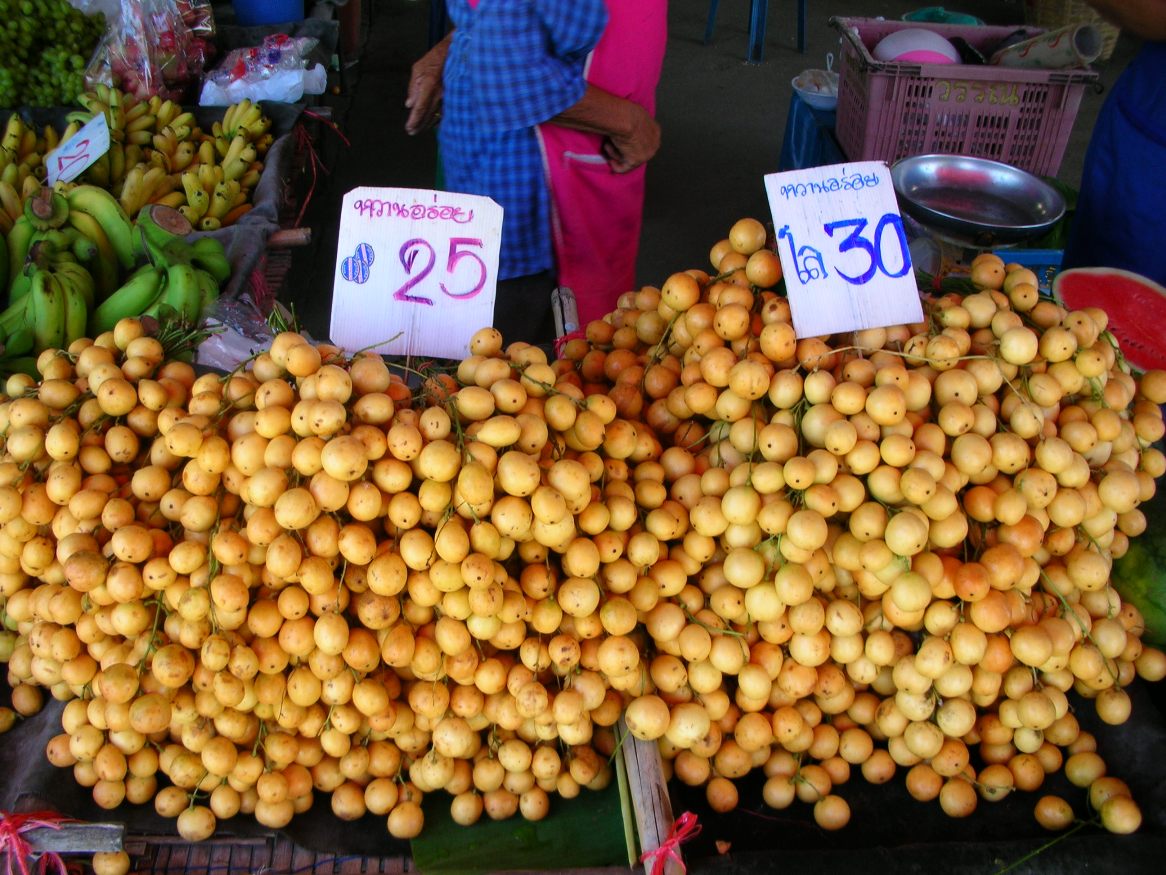
Photo: মেঘনীল / Wikimedia Commons (CC BY-SA 4.0)
Sources: Jagonews24 (25 July 2024), Prothom Alo (28 June 2024; 21 July 2023; 1 August 2022), SATV (14 August 2023), Banglapedia (Ghatail Upazila, Tangail District, Narsingdi District, Madhupur Tract, Madhupur Clay, Agroecological Zone, Fruit), Bangladesh Journal of Botany 52(4), December 2023 (Bhowmick and Pradhan), Fundamental and Applied Agriculture 4(2), 2019 (Akter et al.), Bangladesh Journal of Scientific and Industrial Research 44(3), 2009 (Haque et al.), Wikipedia (Baccaurea ramiflora, Baccaurea motleyana)
Comments
(0)