
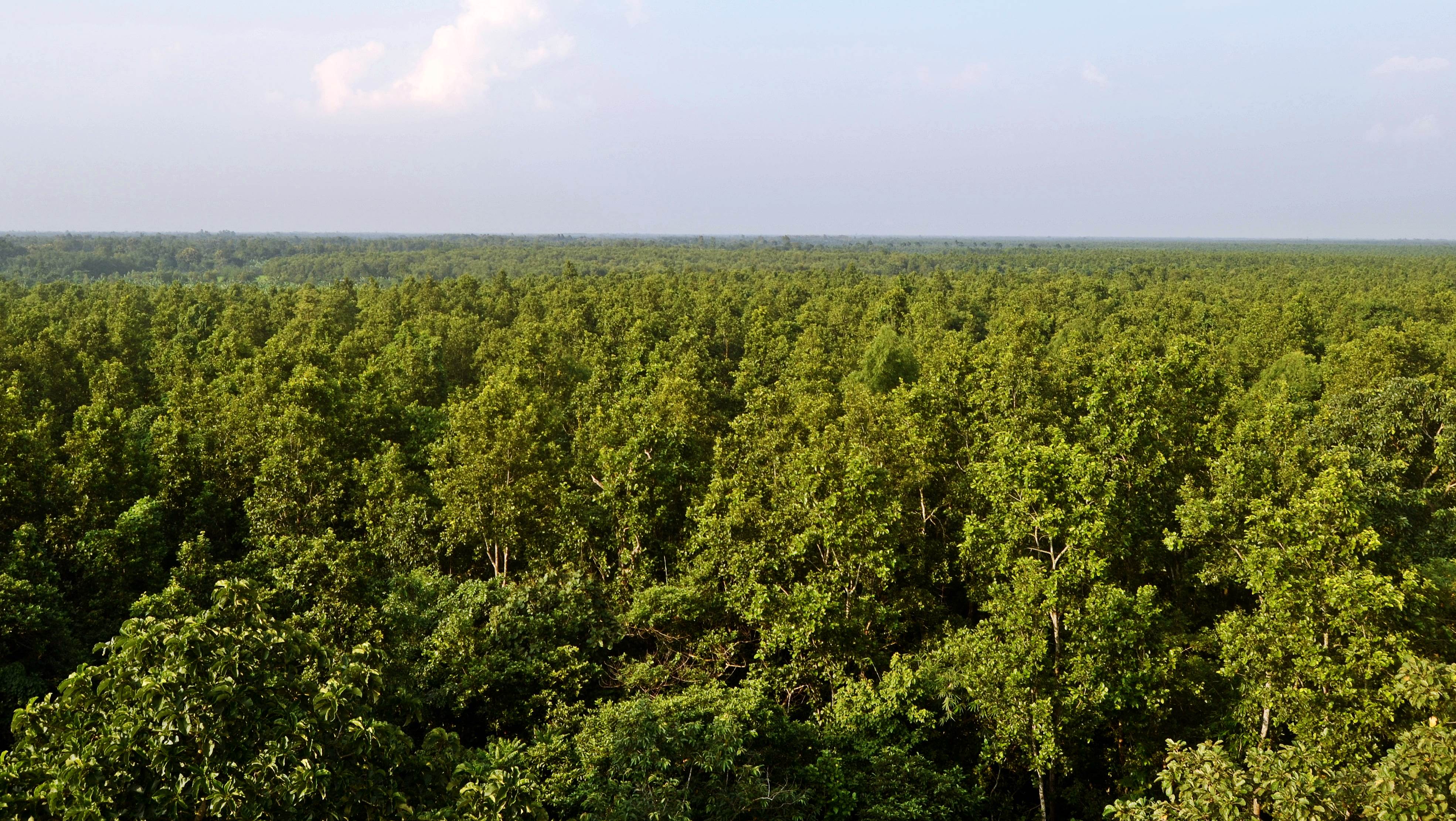
Syeda Rizwana Hasan, the interim government's adviser for environment, forest and climate change, launched a programme to plant five lakh (500,000) tree saplings in Tangail on the morning of Sunday 25 May 2025. According to Jagonews24, she opened it by releasing balloons at the Janaseba Chattar in front of the Deputy Commissioner's office, after planting two saplings there.
Tangail Deputy Commissioner Sharifa Haque, Superintendent of Police Mizanur Rahman and Forest Department officials attended the event.
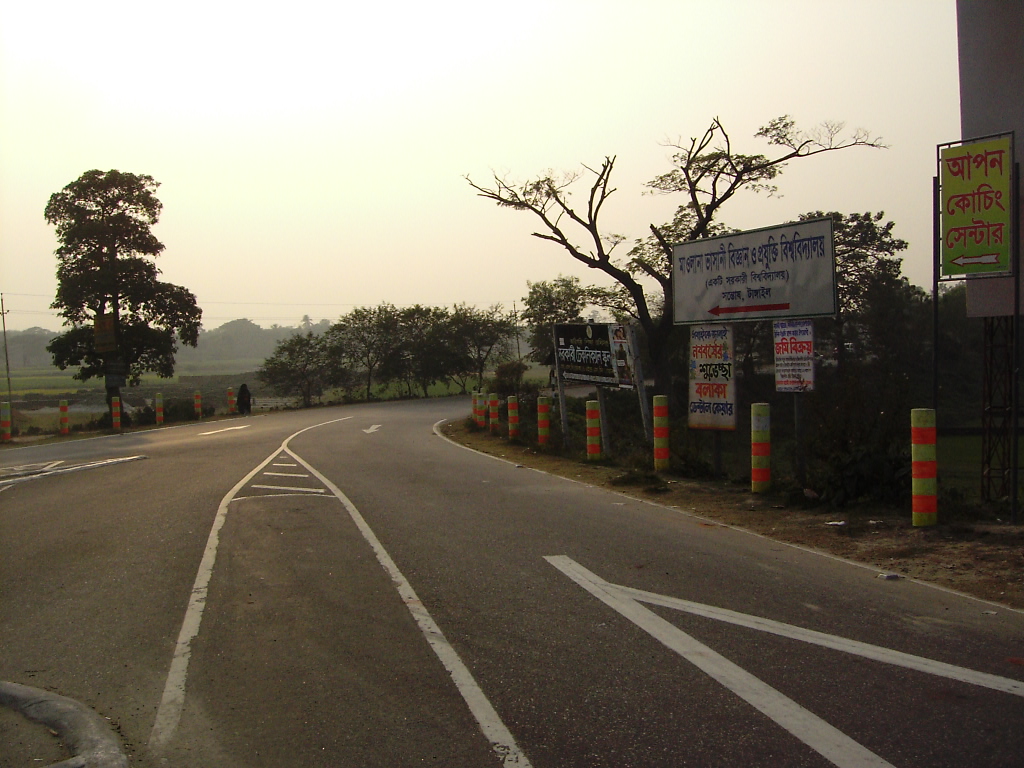
Five lakh saplings of native species
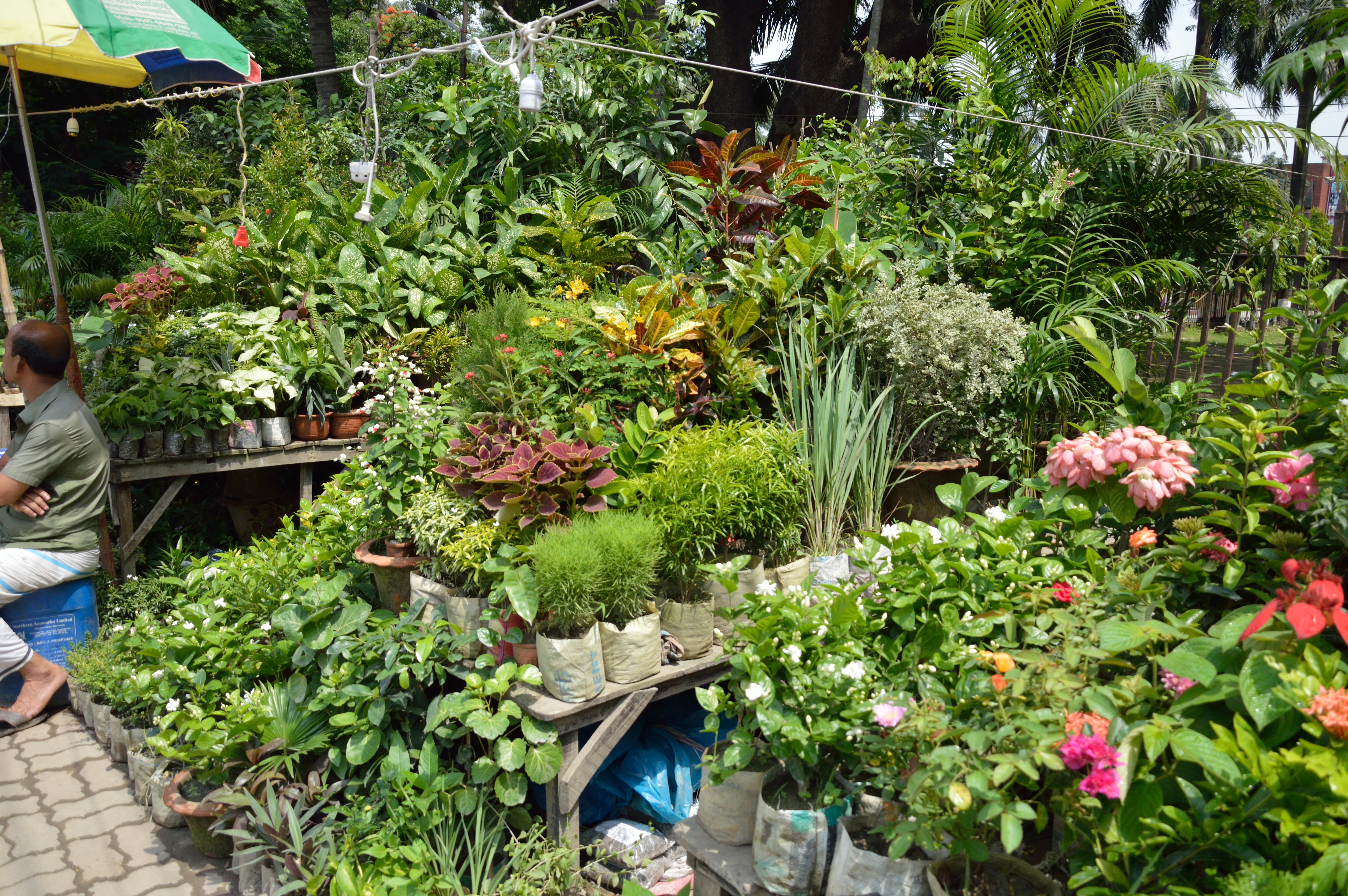
The adviser said the five lakh trees to be planted under the programme had been chosen from native species. "These trees will shelter a great many animals," she said. In her words, they matter not only for greenery: they would give good oxygen, reduce pollution and give birds a home.
She said the people who plant the trees would form a bond with them. "We will not just plant them and sit back; we will look after them and tend them," she said. She also spoke of moving the new generation away from what she called a destructive development process and towards a nature-friendly one.
Criticism of pledges to fell trees and plant more
In her speech the adviser criticised the practice of felling trees and promising to plant more later. She said people disturb nature, cut trees and then say, "We will cut 20,000 trees and plant 40,000," and that this is why the country faces such great calamities. "You can bring some things back to their natural state, but you cannot bring everything back," she said.
She said Bangladesh was once so rich in natural resources that it should never have needed a tree planting programme, but nature had been abused so badly that the damage now had to be corrected. For their own sake, she said, people must act to return what has been destroyed, or nearly destroyed, to its natural state.
Native trees first, two exotic species banned
Earlier, on 15 May 2025, the Ministry of Environment, Forest and Climate Change had issued a notification banning the raising, planting and sale of eucalyptus and acacia (akashmoni) saplings in government, private and individual tree planting, Prothom Alo reported. The notification cited the conservation of the environment, ecology and biodiversity and the country's national and international commitments. Tushar Kumar Pal, deputy secretary of the ministry's Forest-1 branch, told the paper that studies had shown these trees absorb a great deal of water and make the soil harsh, so native fruit, timber and medicinal species were to be planted instead of invasive ones.
Professor Kamal Hossain of the Institute of Forestry and Environmental Sciences at the University of Chittagong told Prothom Alo that eucalyptus was first brought from Australia in 1921 to beautify tea gardens in Sylhet, and that eucalyptus and acacia arrived on a large scale around 1977 and 1978. Because eucalyptus grows fast, he said, it takes up a lot of water and spreads many seeds, leaving little chance for other species to grow.
Tangail and the Madhupur sal forest
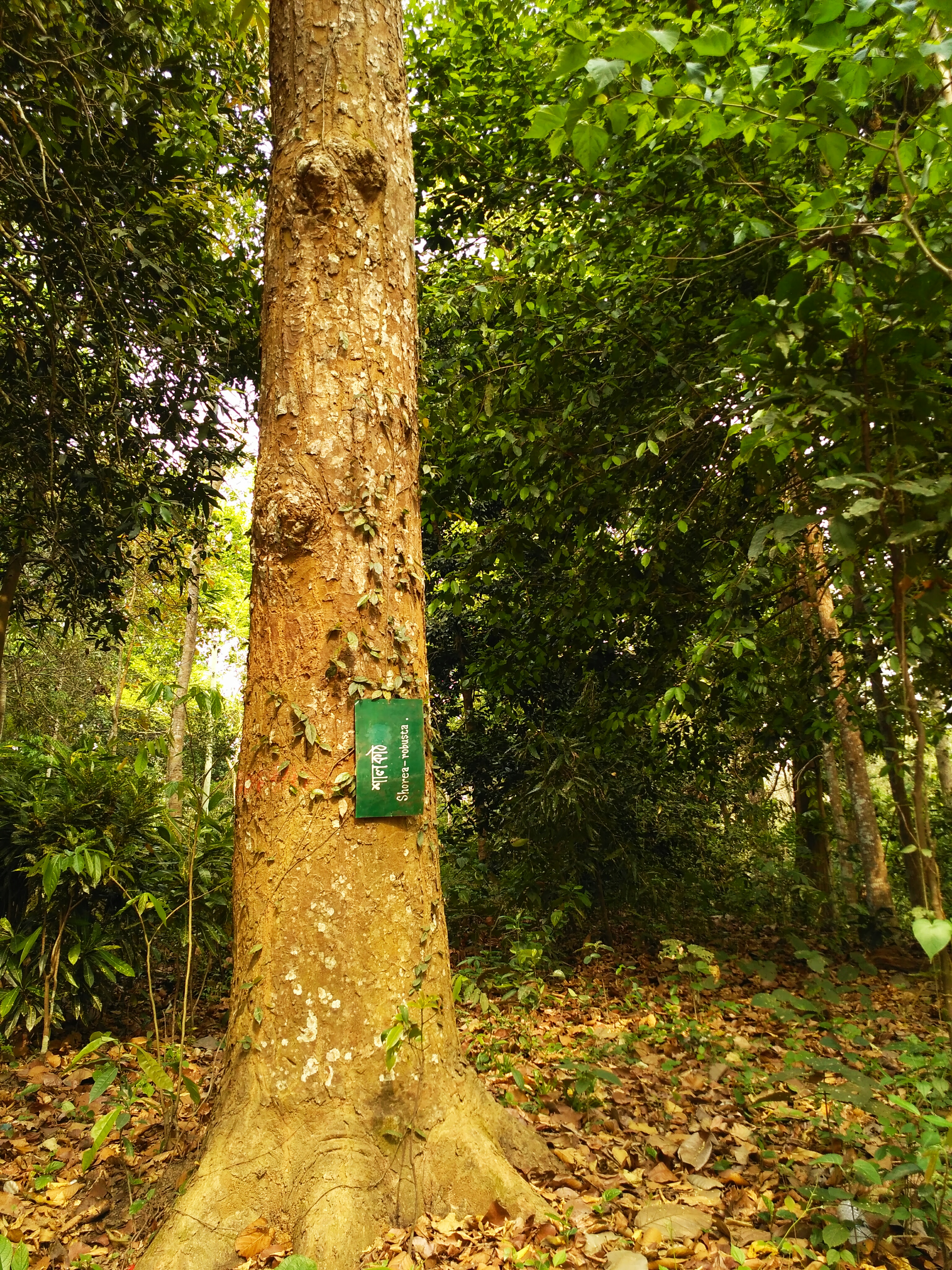
Tangail is a district in central Bangladesh covering 3,414.28 square kilometres, the largest district of Dhaka Division by area. Its Madhupur Upazila holds Madhupur National Park, one of the country's earliest national parks, which covers 8,436 hectares. About 40 percent of the park is under sal (Shorea robusta), and the Madhupur forest is regarded as one of the best sal forests in Bangladesh. Sal is native to India, Bangladesh, Nepal and the wider Himalayan region.
Syeda Rizwana Hasan is a lawyer and environmentalist known for her work on regulating Bangladesh's shipbreaking industry. She received the Goldman Environmental Prize in 2009 and the Ramon Magsaysay Award in 2012.
Photo: Antar Kubi / Wikimedia Commons (CC BY-SA 4.0)
Sources: Jagonews24, Prothom Alo (15 May 2025), Wikipedia (Tangail District, Madhupur National Park, Shorea robusta, Syeda Rizwana Hasan)
Comments
(0)