
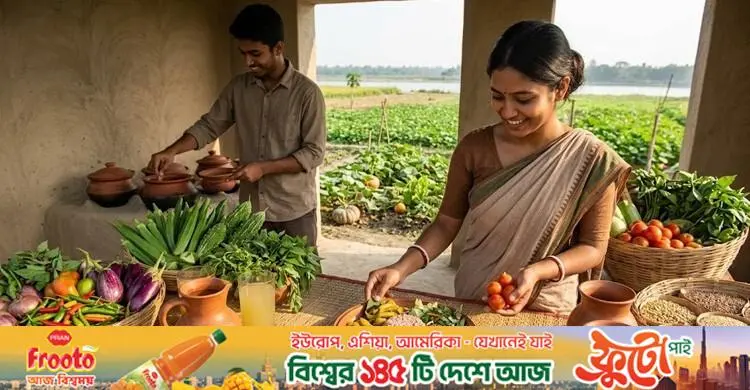
Food is not just a means of satisfying hunger; it is an important part of culture, heritage and people's way of life. A country's history, agriculture, climate and lifestyle are reflected in its eating habits.
In today's consumerist world, however, attitudes towards food are changing fast. Waste is rising on one side, while pressure on the environment and on farming grows on the other. In this reality, the importance of a sustainable food system is growing by the day.
Today is Sustainable Gastronomy Day, observed around the world every year on 18 June. The main purpose of the day, launched by the United Nations, is to highlight food systems that are environmentally friendly, healthy and safe for future generations.
What sustainable gastronomy means
The word "gastronomy" may seem to many to relate only to luxury food or restaurant culture, but its meaning is broader. It covers the history of food, cooking methods, agriculture, culture and the whole idea of how people eat.
"Sustainable gastronomy", in turn, means food practice in which the environment, farmers, culture and human health are given importance at every step, from production to serving.
Put simply, a food system in which nature is not harmed, farmers get a fair price and people can eat healthy food is a sustainable food system.
The cost of waste
Huge amounts of food are wasted in the world every year, while at the same time millions of people suffer from malnutrition and food shortages. Cooking too much at events, waste in restaurants and throwing away unneeded food at home have become common.
This waste is not only an economic loss; it also has a big impact on the environment, because water, land, labour and fuel go into producing food. Wasting food means wasting those resources as well.
Experts say that building a sustainable food system starts with cutting food waste. Taking only as much as is needed and making proper use of leftovers is what the times demand.
Local food and Bangladesh's rural tradition
One of the most important parts of a sustainable food system is giving priority to local food and farming. Local and seasonal food is comparatively better for the environment than imported processed food.
Bangladesh's rural food culture has many examples of sustainable eating. People once relied on seasonal vegetables, local fish, rice, lentils and home cooking. This ensured nutrition and also benefited local farmers.
Now, however, the leaning towards fast food and heavily processed food is growing. As a result, besides the health risks, traditional food culture is at risk of disappearing.
Food and the environment
The link between food production and the environment is very deep. Excessive use of chemical fertilisers and pesticides, deforestation, plastic packaging and industrial agriculture are harming the environment.
Food systems are also linked to problems such as global warming, climate change and water shortages, which is why many countries are now turning to environmentally friendly farming and organic food production.
Building sustainable food habits does not require waiting for some big initiative; change can start with small habits. Such small steps can bring big change in the long run.
Food as identity
A country's food is not just a matter of taste; it is part of its culture and heritage. Panta-ilish, bharta, pitha or cooking on a village clay stove are not just food but part of Bengali emotion and identity.
Sustainable Gastronomy Day reminds us that food cannot be seen simply as something to consume. Farmers, nature, culture and the security of future generations are all bound up with it.
What today's children will eat and how safe the world of the future will be depend to a great extent on the present food system, so it is urgent to become aware now.
Sustainable Gastronomy Day is not just an international day but a call to build responsible eating habits: a day to dream of a world where food is healthy, environmentally friendly and safe for all. The real beauty of delicious food lies in its being good for both people and nature.
Source: Jagonews24. First published in Bengali on The Agro News.
Comments
(0)