
The coming super El Nino could cause an estimated 451,000 additional heat deaths worldwide between now and February 2027, with Africa's Sahel the worst-hit region and Nigeria facing the highest projected toll of any country, researchers from the University of Chicago's Climate Impact Lab write in an article republished by Down To Earth from The Conversation.
The authors, economists Michael Greenstone and Tamma Carleton, combined the European Centre for Medium-Range Weather Forecasts' seasonal forecast with peer-reviewed research on how temperature affects death rates in 24,378 regions, comparing the next six months with the 1996-2025 average for the same months.
Four countries are projected to be hit hardest: Nigeria, Sudan, Niger and Chad, with 66,800 extra heat deaths among them. Nearly half, 31,400, are projected in Nigeria, the most populous with 237.5 million people, followed by Sudan with 17,500, Niger with 10,000 and Chad with 8,000. Some of the largest temperature anomalies in the world over the next six months are expected across the Sahel.
Poverty and a lack of power leave people exposed. More than 60 percent of Nigerians were estimated to live below the national poverty line in 2025, and even homes with electricity face power cuts; only 21 percent of people in Niger and 13 percent in Chad had electricity in 2024. Older people, young children, people with chronic illness and outdoor workers such as farmers face the greatest danger.
The researchers point to measures with proven records: heat early-warning systems paired with heat action plans, outreach to the elderly and vulnerable, cooling centres and hydration stations, and protection for outdoor workers at peak hours. They say governments in the Sahel should prepare hospitals now, with extra staff and supplies, for a surge in heatstroke cases during forecast heat spikes.
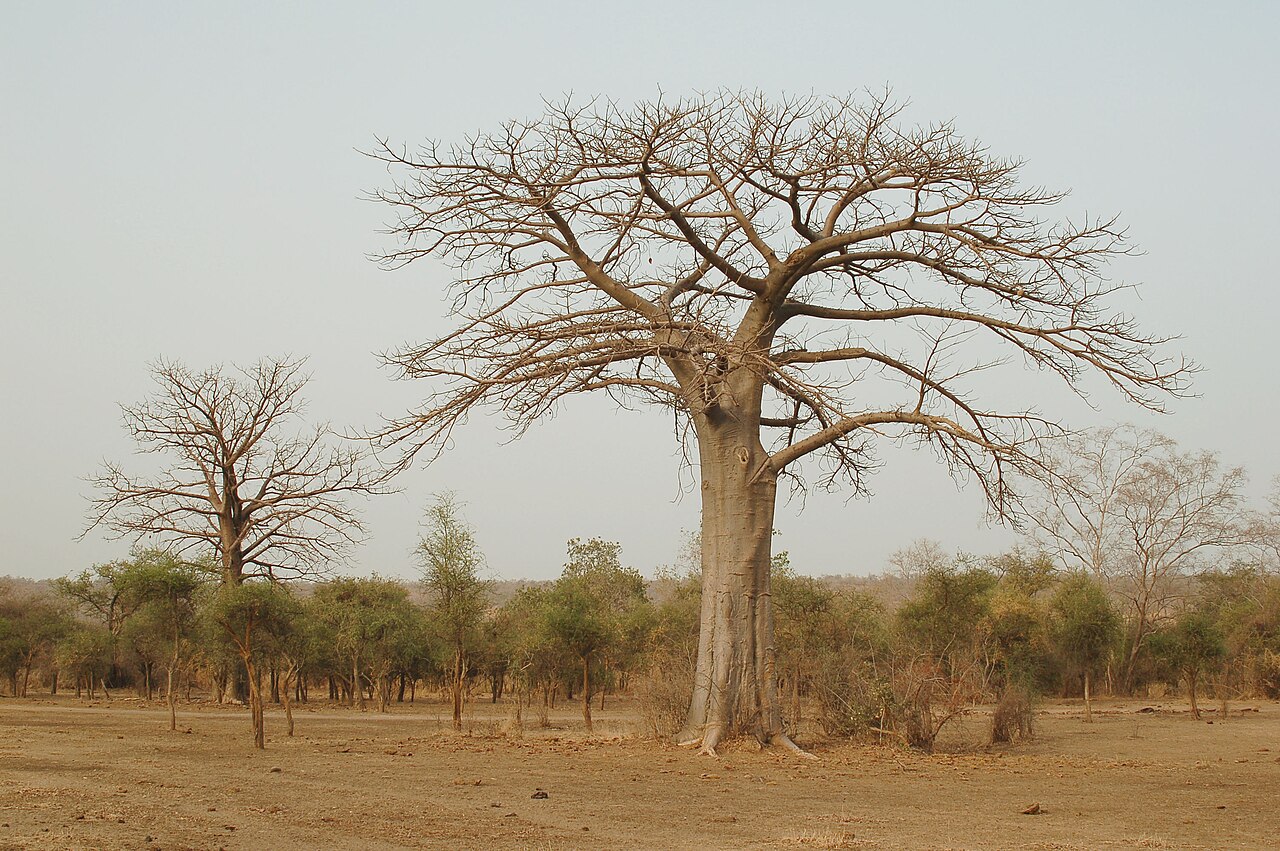
Photo: diasUndKompott / Wikimedia Commons (CC BY-SA 2.0)
Source: Down To Earth


Comments
(0)