
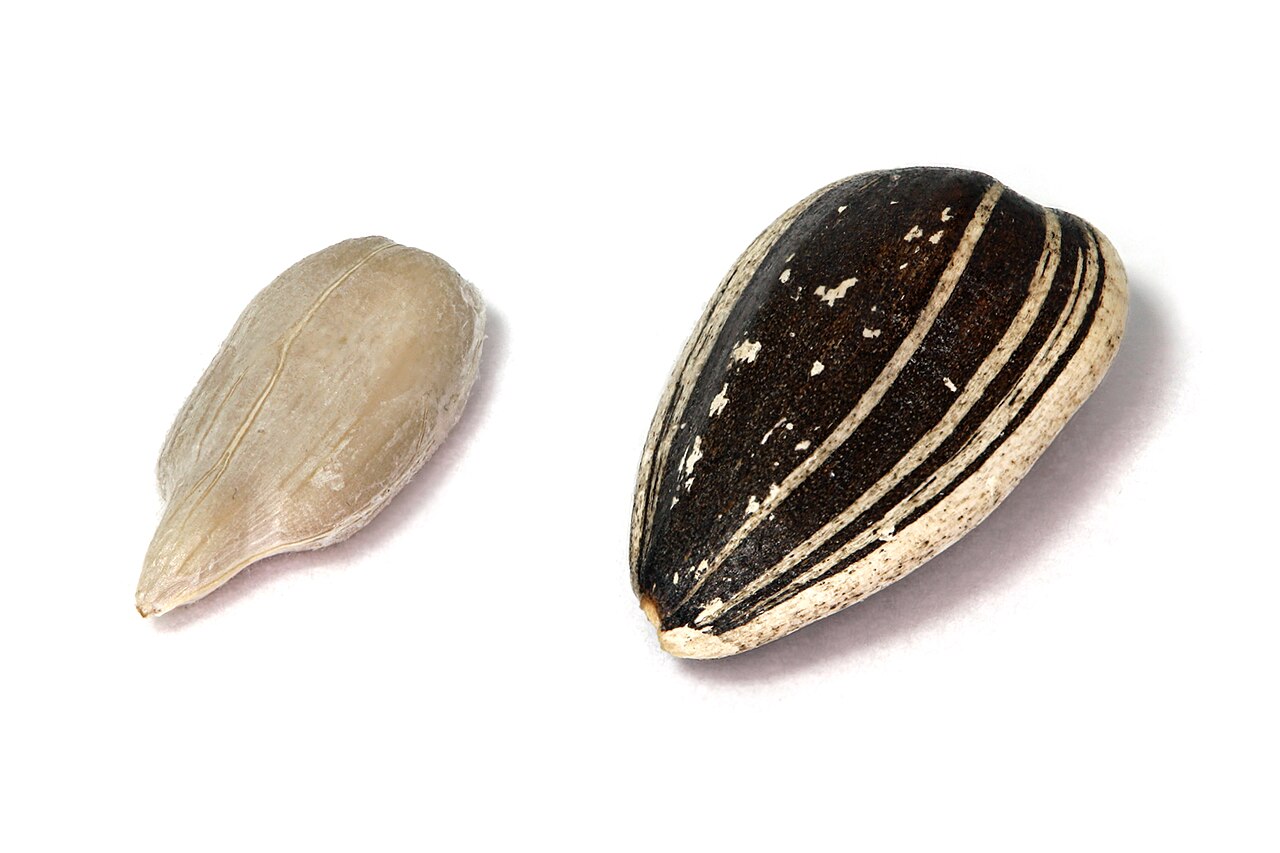
Small as they are, sunflower seeds contain plant protein, fibre, unsaturated fat, vitamin E, magnesium and selenium. A handful, about 30 g, provides 5 g of protein and about 3 g of fibre, and nutritionists say the combination supports heart health and immunity.
Eaten in place of foods rich in saturated fat, their unsaturated fat helps maintain cholesterol levels. Vitamin E, selenium and other antioxidants help limit damage from free radicals and protect cells from oxidative stress.
Magnesium is needed for normal muscle and nerve function and for turning food into energy, and sunflower seeds contribute to the daily requirement. They do not give an instant energy boost, but their mix of healthy fat, protein, fibre and magnesium makes them a nourishing food.
They can be eaten raw or lightly roasted. When buying, check that they are not heavily salted, oily or loaded with preservatives.
Photo: Kaldari / Wikimedia Commons (public domain)
Source: Samakal



Comments
(0)